Tag Archives: writing

Is peer review overrated? Are journals superfluous?

These are my questions when reading the Nature news article although it has a quite different title “Think preprints are unreliable? Analysis of 70,000 studies might change your mind”.

The central conclusions of biomedical preprints rarely change following peer review in a journal, according to a study posted on the preprint server bioRxiv this month. The research also found that studies that appeared first as preprints are retracted at roughly half the rate of papers that did not appear online before being in a peer-reviewed journal. The authors say the findings suggests that preprints are a reliable source of information, although some scientists say the finding should be interpreted more cautiously.

It is all about this preprint

The primary claim was unchanged in 39.9% of abstracts, minorly revised in 50.0%, and substantially revised in only 10.2%.

Fits my experience, 90% more or less unchanged.


CC-BY-NC Science Surf , accessed 17.07.2026

How to write a paper

There are numerous tips on the internet, I have been even teaching “paper writing” for a while, but here are the ultimate recommendations

Just in case, as Twitter is dying soon and the thread archive is not working anymore, there is also a local copy.


CC-BY-NC Science Surf , accessed 17.07.2026

Please do not try to tell a story but report your results

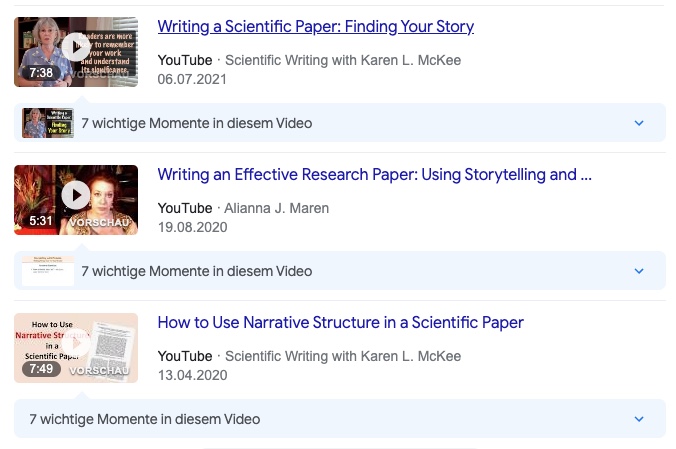
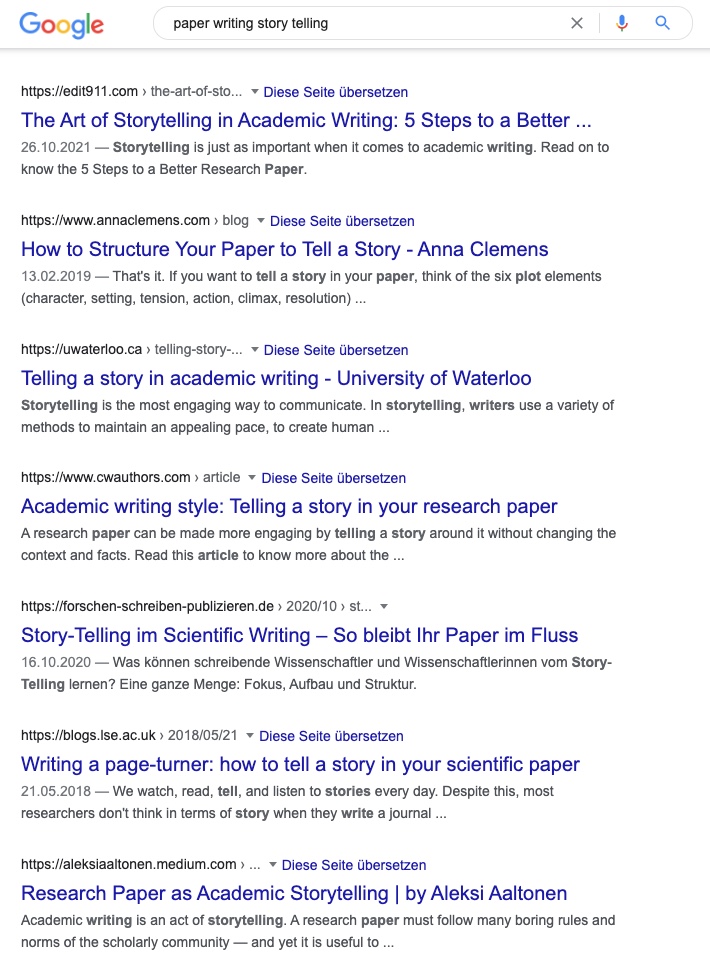
When I prepared a lecture last year on scientific paper writing I have found countless advices how to tell a story – it made it even into elife.

Don’t do that – there are lies and damned lies (Disraeli) while you are easily running into a trap when trying to “tell a story”. Preregister your study plan, tell the world what you did right from the beginning, what did not work, why you repeated an experiment or why changed your opinion.

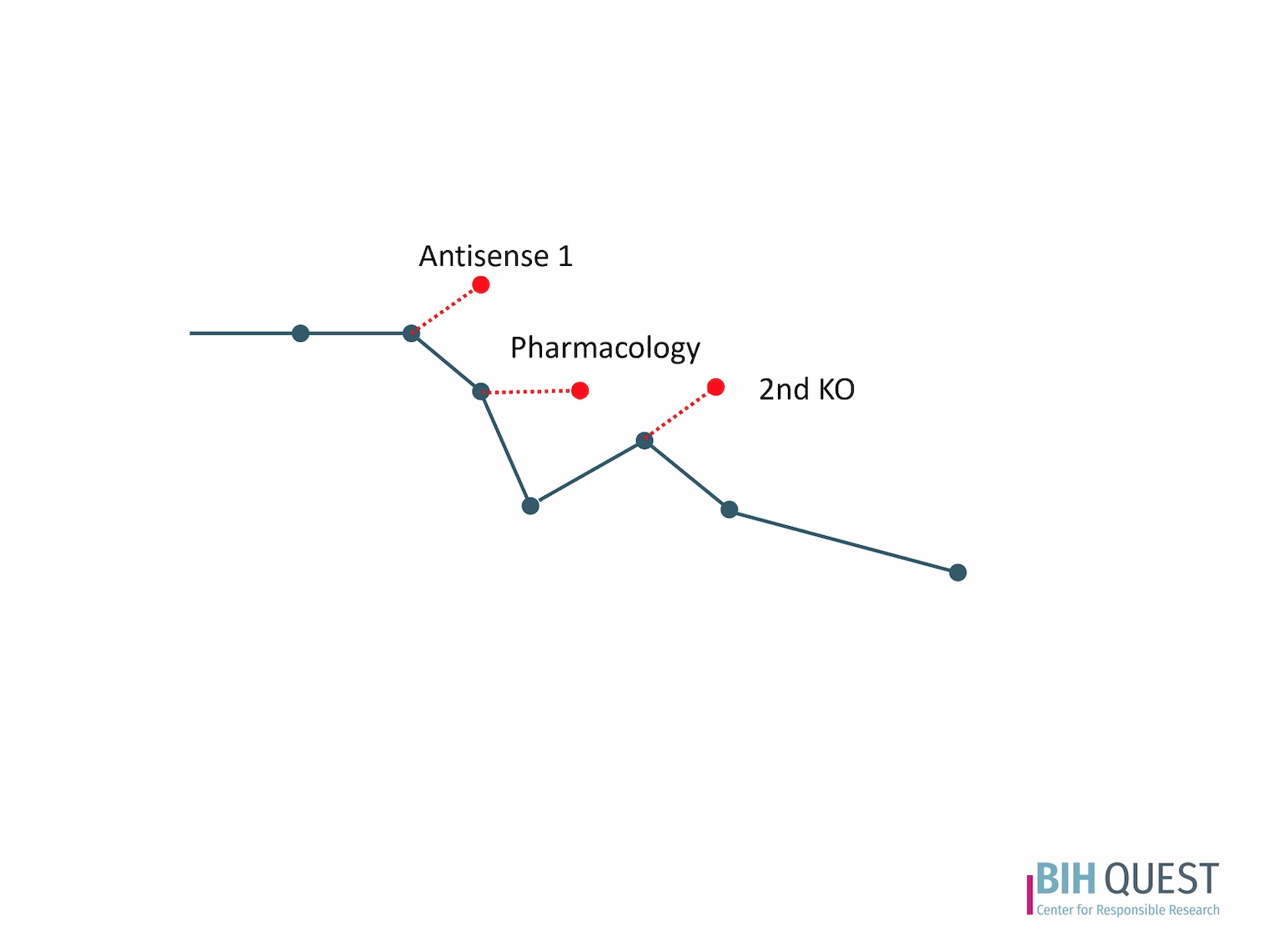
Writing a story from the backend distorts the proportions and misdirects attention. Ulrich Dirnagl highlighted this problem in an earlier talk here in March using the following two slides.

How we present results in a basically linear way – story telling. By NIH QUEST/Dirnagl.
How it would be fair to tell the story with numerous inputs, non working assay (primer, antibody, other samples), new literature and conference talks, where we constantly change our opinion that could have led to alternate papers. By NIH QUEST/Dirnagl


CC-BY-NC Science Surf , accessed 17.07.2026