There is a realistic and only slightly ironic new paper at arXiv by Russel Beale, a world-renowned academic, author of one of the leading textbooks on human-computer interaction.
In this piece we reflect on the life and influence of AJ, the academic journal, charting their history and contributions to science, discussing how their influence changed society and how, in death, they will be mourned for what they once stood for but for which, in the end, they had moved so far from that they will less missed than they might have been.
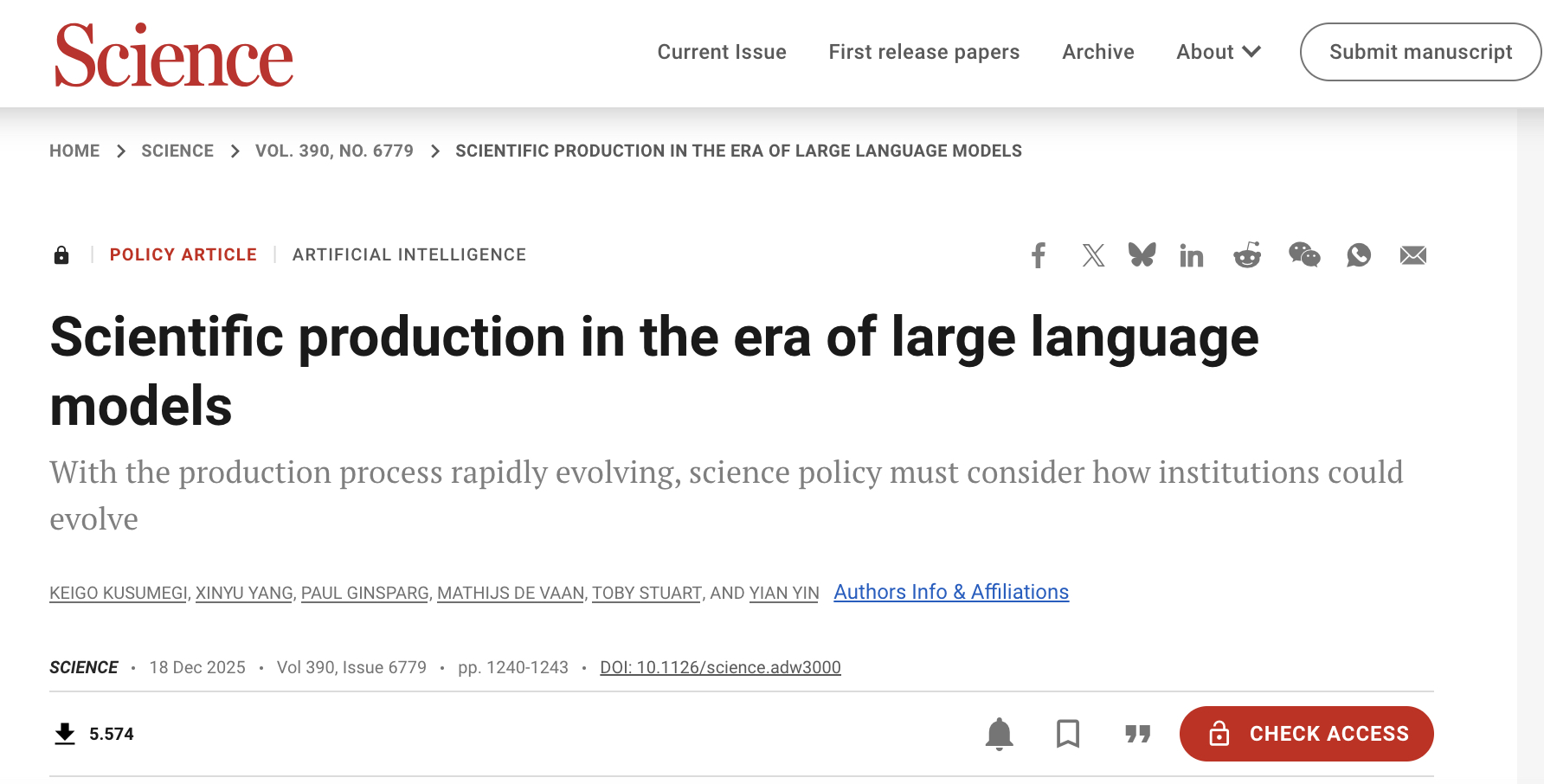
Born at the "Philosophical Transactions of the Royal Society" the academic journal matured until 1989 when the companies highjacked, then strangulated the system. The distribution of papers over the internet and open access made dissemination easier but introduced many other problems that are all coming now to an end by the introduction of AI based authoring.
And thus [the academic journal] entered the end-stage of life. No longer could people rely on the content, because the cost of creating fake material was so low, and the benefits so high. Now an academic could possibly publish half a dozen articles in a year, mostly because they could submit a hundred and hope a few got through … The conference made a comeback. With travel restrictions lifted, not only could the academic holidaying continue, but they could actually meet with fellow academics and quiz them on their findings to see if they were real: content had become checkable, and was king once again. The actual exchange of information, findings and insights because important once again.
[The academic journal] died on 1st January 2026. No flowers are expected…
Appendix 21/4/2026
Koustov in the Chronicle
Goldstein: As you suggest, these AI models are particularly good at synthesizing an existing body of knowledge, so things like literature reviews and even the academic paper. Which brings us to another one of your theses: "The academic paper is a dead format walking."
Kustov: We have to rethink the format. Submission rates are already going up. In a year or two, it's going to be even crazier. So we have to implement certain costs to submissions. Some disciplines impose submission fees. We don't do it in political science for some reason, but it's definitely something that we need to consider. Another thing people have suggested is to limit the number of submissions per author. We have to rethink how journals operate.