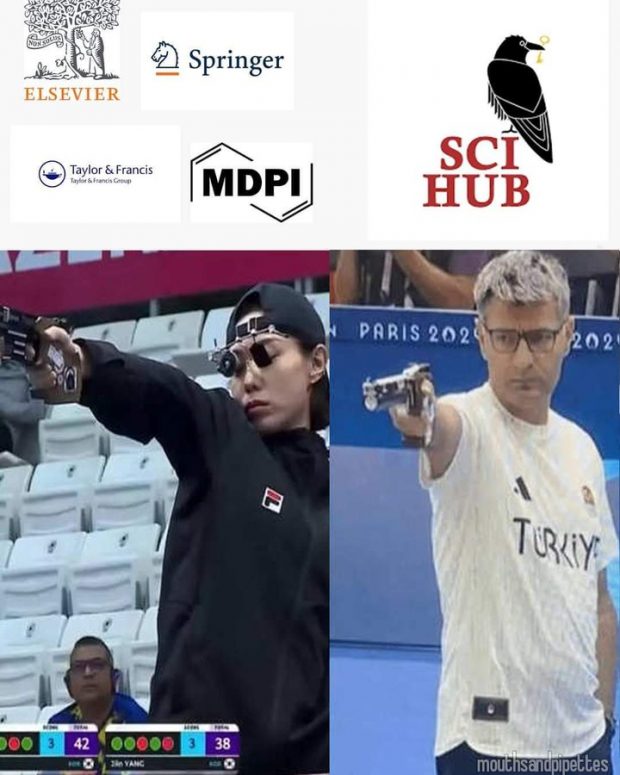
Science was based on mutual trust a few decades years ago but with the development into a large money making and career system we cannot believe any more in published results. This affects basically all disciplines not only those that notoriously known for bad quality.
It affects now even thousands of papers that report wrong microscope manufactures as possible sign of misconduct as reported now by Retractionwatch.
One in four papers on research involving scanning electron microscopy (SEM) misidentifies the specific instrument that was used, raising suspicions of misconduct, according to a new study. The work, published August 27 as a preprint on the Open Science Framework , examined SEM images in more than 1 million studies published by 50 materials science and engineering journals since 2010.
So I see only one possibility: Mutual trust needs to be replaced with more vigorous control of the the research community and not just two dozen sleuths and journalists. Research integrity should become an own recognized scientific discipline with full-term departments, funding, teaching and established methods & software tools.
You probably haven't heard of cardiologist Don Poldermans, but experts who study scientific misconduct believe that thousands of people may be dead because of him.
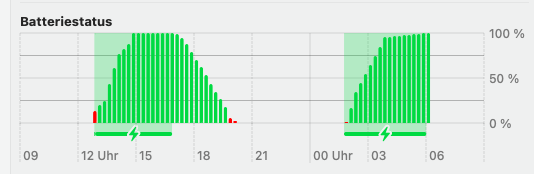
Charge it to 100%, and keep charging it for at least two more hours.
Unplug your laptop and use it normally to drain the battery.
Save your work when you see the low battery warning.
Keep your laptop on until it goes to sleep due to low battery.
Wait at least five hours, then charge your laptop uninterrupted to 100%.
this is how it looks afterwards
So the question was how to drain it most effectively? Maybe playing video would work but running this short line in the terminal as may times as there are CPUs was much more efficient
yes > /dev/null &
It seems that the initial high loading is most important
Researchers at SLAC-Stanford Battery Center report in a study published today in Joule that giving batteries their first charge "at unusually high currents increased their average lifespan by 50% while decreasing the initial charging time from 10 hours to just 20 minutes."
The Guardian writes that humans age dramatically increases in two bursts at 44, then 60 years. The headline may be misleading as it misses the growth spurt in 10 year old children but also the cachexia of people around 90.
In this study, we performed comprehensive multi-omics profiling on a longitudinal human cohort of 108 participants, aged between 25 years and 75 years. The participants resided in California, United States, and were tracked for a median period of 1.7 years, with a maximum follow-up duration of 6.8 years.
but nevertheless it confirms my own observation with age effects in bursts around 45 and again in 60 (even did some studies on chronobiology and DNA ageing that confirmed ELOVL2 effects in 2015 while a confirmation study 2020 could not be finished due to COVID19).
It is a bit annoying, however, as there are always different numbers in the Snyder study when compared to earlier reports of the same group that missed the current findings.
Even worse as there was no a priori study plan the results look more like a display of a random data warehouse where you can pick what you waant. So where is the main effect and what is the driving force? The authors are counting significant changes
If we look at the proportional max/min change it is roughly 40% at transcriptomics and proteomics and 32% at metabolomics level. But I have no clue what’s behind these peaks – GTPase activity? Oxygen carrier? As there are no methylation data, no tissue biospy, not even any blood sample covering the whole time span, it remains a rather fuzzy paper that tries to provide a scientific basis of a common sense observation.
Apple Mail can make its Core Spotlight index available to other apps which include an app specific Mail Plugin. This is controlled (from the Apple Mail perspective) in the general preferences under Manage Plug-ins.
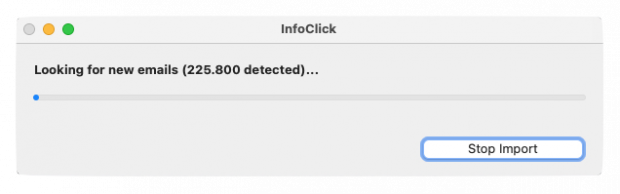
Unfortunately however the Houdah plugin stopped now working. So the only working solution seems InfoClick that can build its own index but takes 17 hours for 340.00 emails…
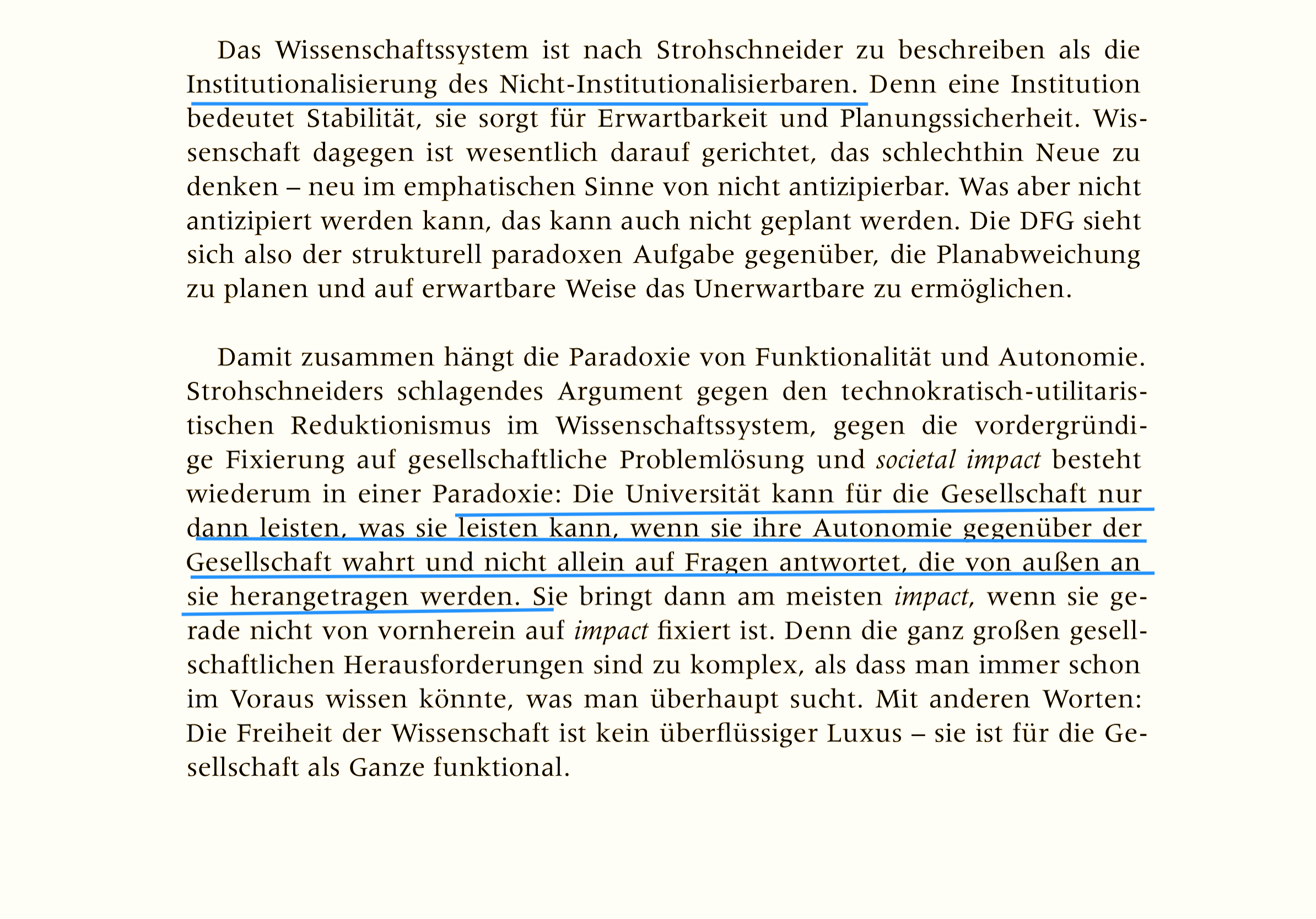
Never forget, the press is the enemy. The establishment is the enemy; the professors are the enemy. Professors are the enemy. Write that on a blackboard 100 times and never forget it.
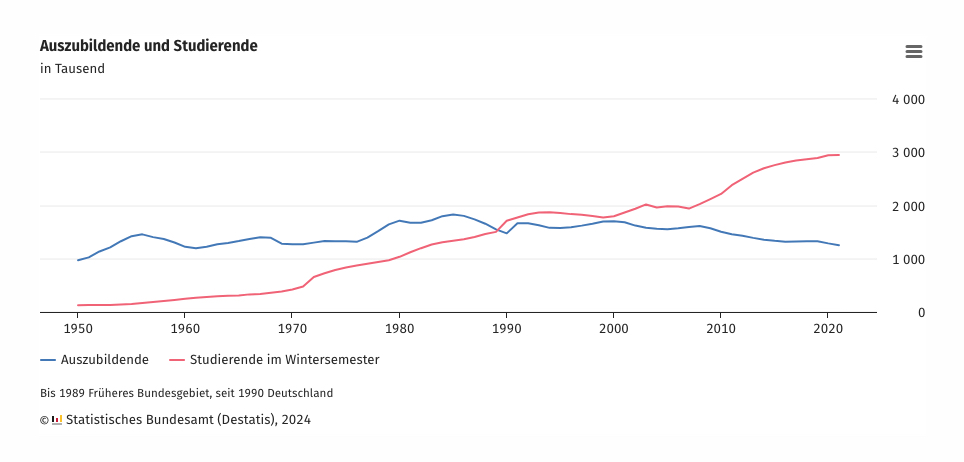
Bäcker, Klempner, Pfleger: Viele Ausbildungsplätze bleiben unbesetzt, dabei lässt sich als Meister mehr verdienen als nach einem Master. Höchste Zeit damit aufzuhören, das Studium zu idealisieren.
Diese Entwicklung ist quantitativ völlig sinnlos and letztendlich auch qualitativ kontraproduktiv, denn das Niveau der Abschlüsse ist auf einem Allzeittief, jedenfalls gefühlt daran, was ich an Abschlussarbeiten und Dissertationen so alles lese. Auf der anderen Seite fehlen Handwerker, egal ob es Solateure auf dem Dach oder Möbelschreiner im Wohnzimmer sind.
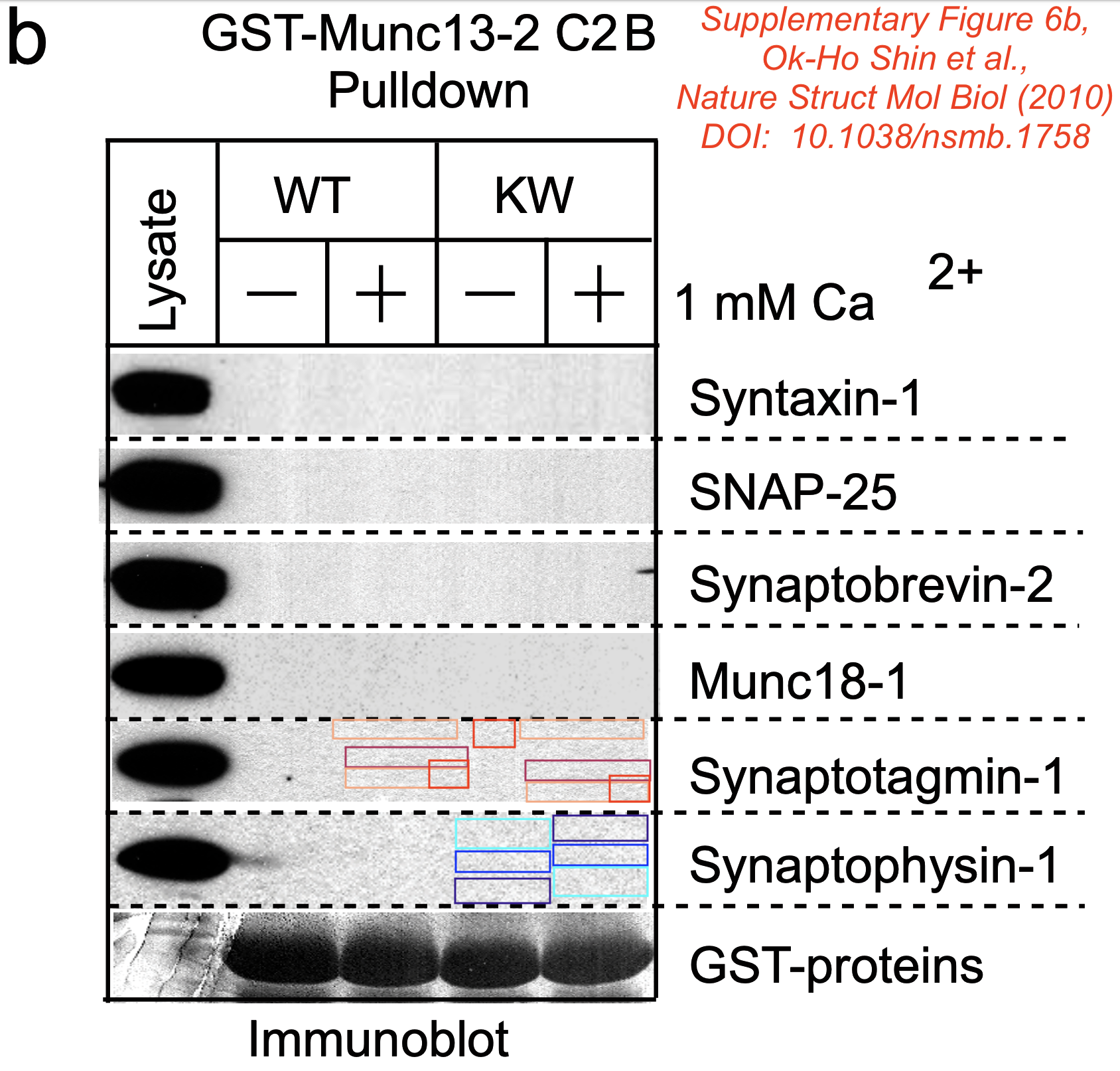
while his explanation of the numerous duplications is clearly wrong
… the tiny allegedly cloned areas of similar background signals partly overlap and are randomly distributed in the image. Besides the fact that it would make no sense to duplicate such small areas of background - a fraudster could just run a gel with empty lanes - and that such duplications do not improve the data, overlapping duplications like this are nearly impossible to manufacture.
Of course also small areas can be copied with the clone tool. If the placement is random or intentional can only be judged from the original image while an educated guess is certainly allowed. Running Photoshop is at least far more time and cost effective than running a gel with an empty lane.
A general problem here is that digital reproductions of images - both of immunoblots and of tissue sections or cells - can create artifactual microduplications especially if the image resolution is changed during reproductions.
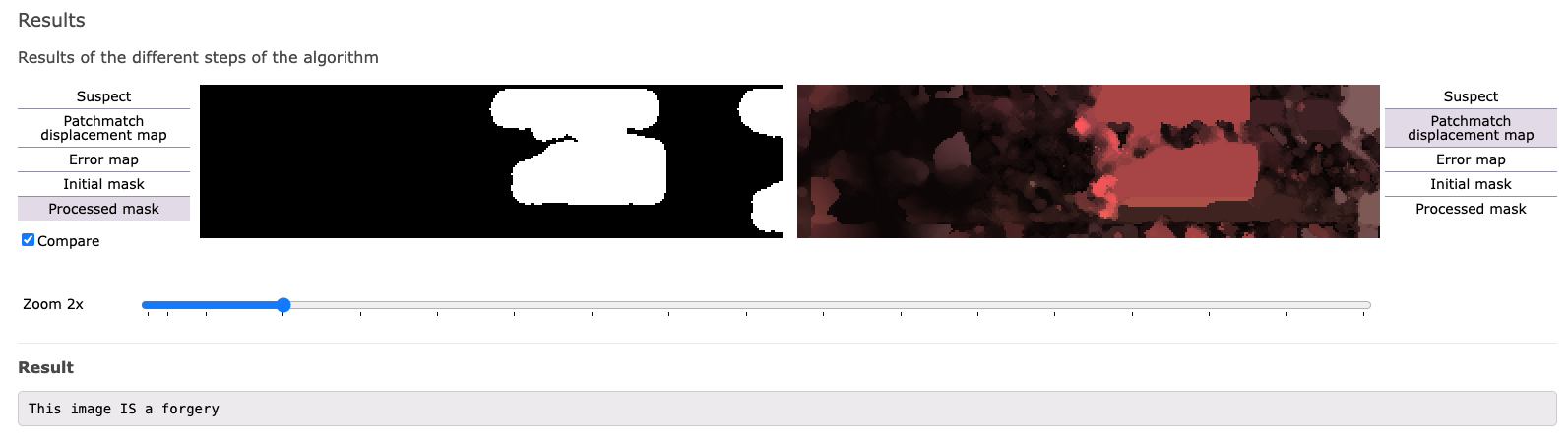
This is outright wrong. Artifacts by capturing or stitching software is possible in theory while in practice we have found it only a few times.
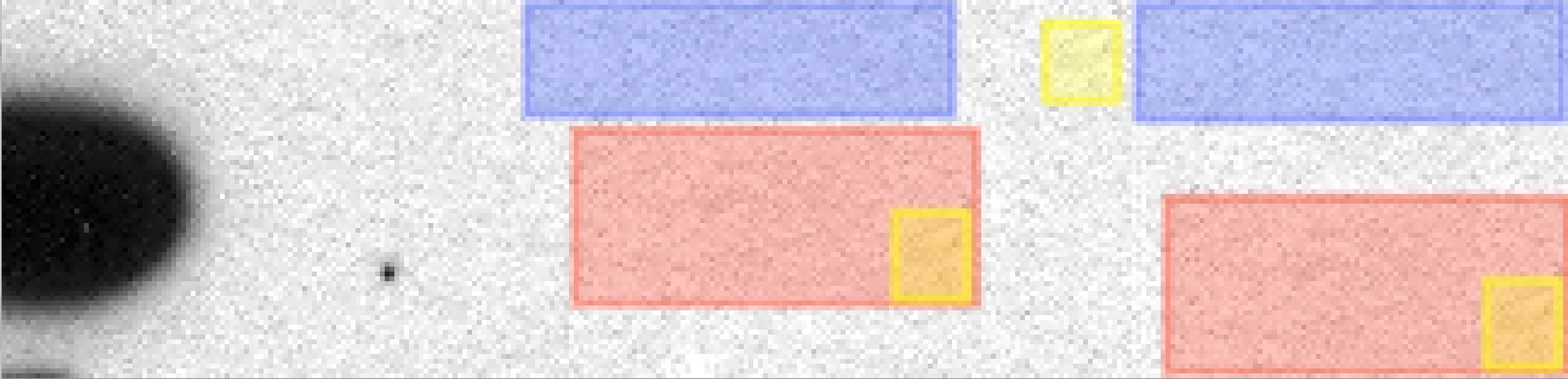
Also the manual annotation below shows 100% identical areas where the KW+ lane pixel has been copied to KW- (the other direction is less likely). Not sure what had been there, dust, dirt, text marker or another dot?
manual pixel-wise annotation, click for full view
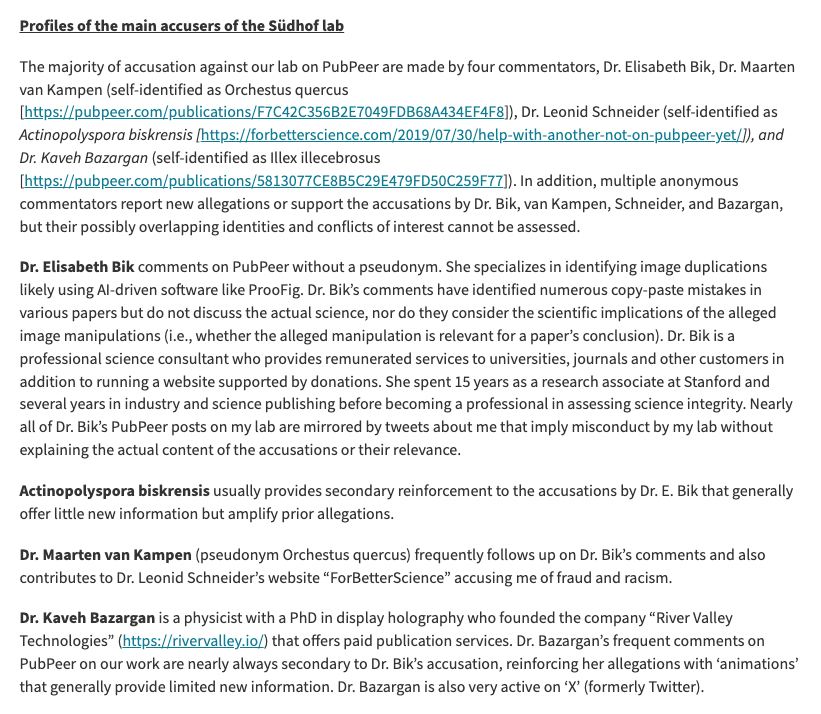
Südhof comments on this image on his website
Mistake identified: Dr. E. Bik claims that the Suppl. Figure 6b immunoblot stripes (reproduced digitally at low resolution by the journal from a non-digital original blot) contains tiny areas of microduplications in the background pattern (not the actual signal). These areas are tiny, within a blot, randomly distributed, and only digitally identifiable. She implies that these blots are suspicious and could be manipulated.
Resolution: This is an unusually bizarre accusation since it refers to digital low resolution images in which tiny image areas would have been scrambled by a person if Dr. Bik's accusation were correct. Even though she maintains publicly that she won't speculate about motivations, her accusations imply a motivation that would be difficult to understand since any manipulation here would produce a partly altered background. The most likely explanation here is, like for many of the 'mistakes' identified by Dr. Bik's A.I.-powered software, that these random microduplications are simply a reproduction artifact of a digitized image.
Classification: unfounded
Great story: The journal Nature Structural & Molecular Biology received the original blots and digitized them? So this is their fault? These are neither tiny spots, nor are they randomly distributed and of course, they can be seen by naked eye.
German newspapers covered the Südhof stor already (SPIEGEL, FAZ but also Science Magazine). Ulrich Dirnagel/Tagesspiegel believes that any intentional manipulation or deception cannot be recognized. I am not sure when looking at the images above.