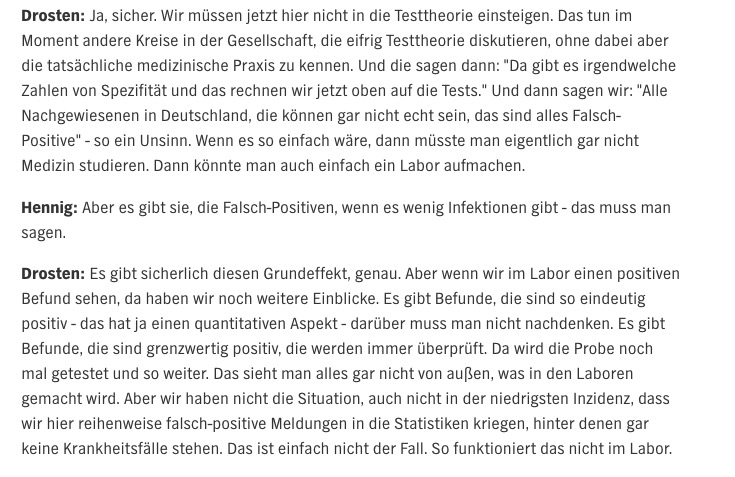
In China gab es dazu den grössten PCR Massenversuch aller Zeiten: 10 Millionen Tests in Wuhan (Nature 20.11.2020). Dabei wurden 300 asymptomatische Fälle identifiziert. Selbst wenn alle 300 Fälle falsch positiv gewesen wären (was sie nicht waren) wären das gerade mal 0,0003 % und nicht 2%.
Damit zur echten Wissenschaft.
49:54 Zitat “wir … testen um Übertragungen zu verhindern und um die Pandemie zu kontrollieren” (Prof. Dr. Christian Drosten / Virologe, echter Experte)
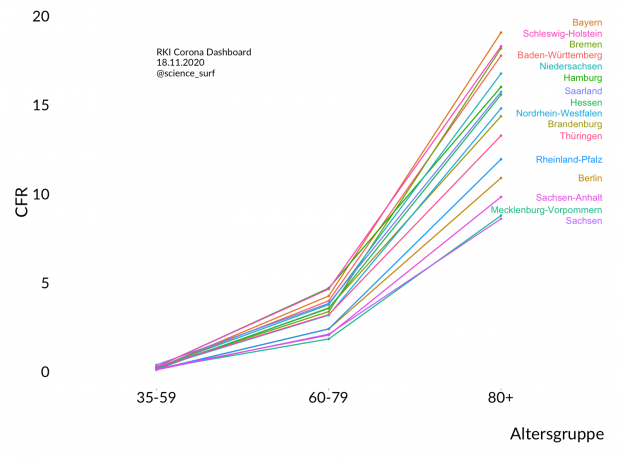
Wenig diskutiert wurde bislang die sehr unterschiedliche IFR/CFR (Infection Fatality Ratio bzw Case Fatality Ratio) innerhalb der Bundesrepublik Deutschland.
CFR nach Altersgruppen in den einzelnen Bundesländern. Datenstand RKI 18.11.2020. Eigene Auswertung. Skript auf Anfrage. Definition der CFR als Fall-Verstorbenen-Anteil https://de.wikipedia.org/wiki/Fall-Verstorbenen-Anteil#Roher_Fall-Verstorbenen-Anteil
Zum einen könnte die Unterschiede ganz einfach methodische Gründe habe, dass etwa in einem Bundesland häufiger getestet wird. Damit steigt der Nenner des Quotienten aus Verstorbenen zu infizierten Fällen und die Ratio sinkt. Oder die Verstorbenen werden nicht vollständig erfasst, dann sinkt der Quotient ebenfalls. Für beide Annahmen gibt es aktuell wenig Belege.
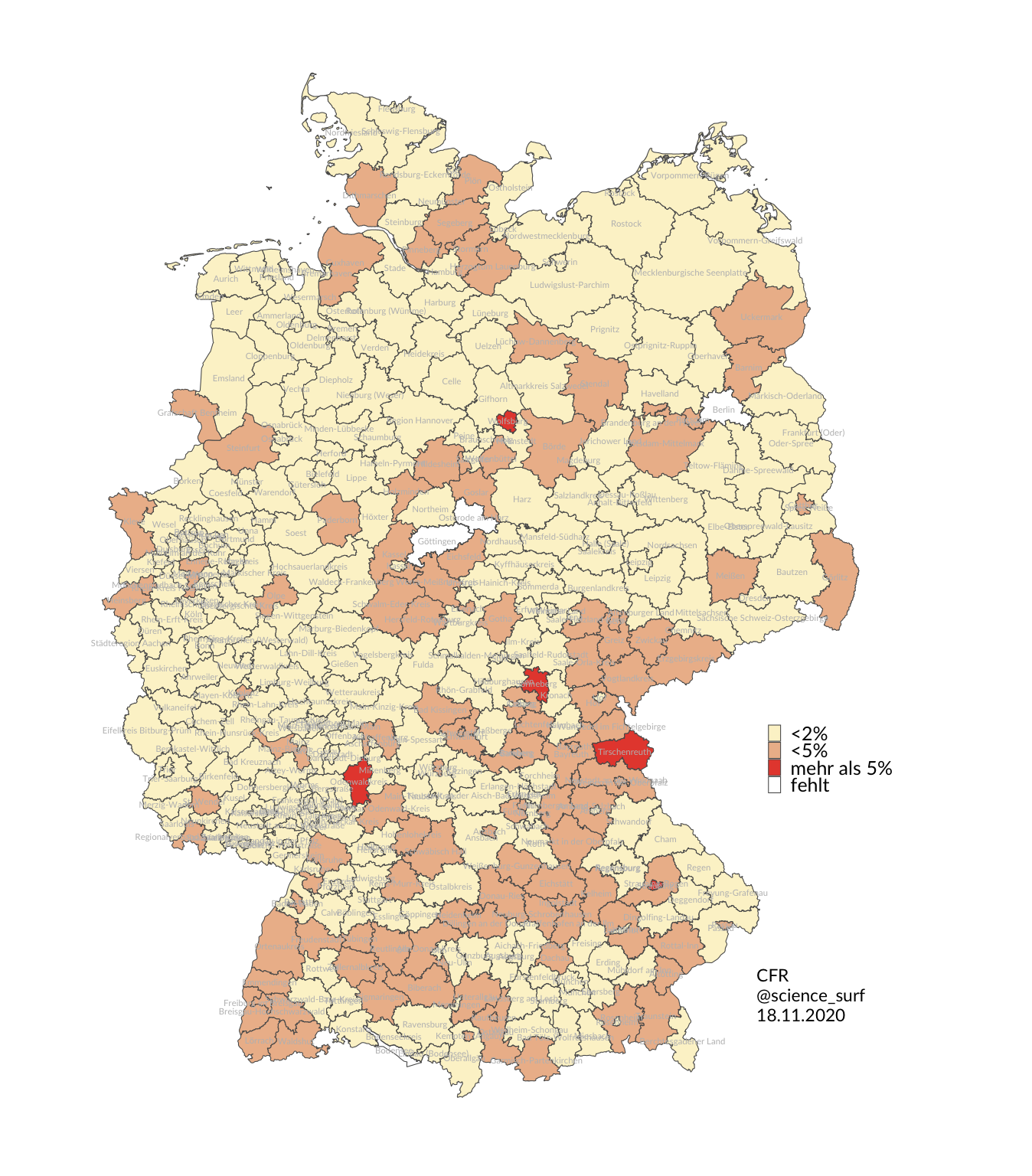
Gemittelte CFR in den einzelnen Landkreisen. Datenstand RKI 18.11.2020. Eigene Auswertung, Skript auf Anfrage.
Die nächste Möglichkeit wäre eine unterschiedliche genetische Empfindlichkeit der Bevölkerung. Aber nach allem was wir bisher wissen, etwa den Genomscans, ist diese Möglichkeit praktisch auszuschliessen. Es könnte auch natürlich auch sein, dass lokal unterschiedliche Virusvarianten (etwa B.1.1.7) grassieren. Leider gibt es in Deutschland trotz 150 Millionen Forschungsetat keine einzige flächendeckende Untersuchung (gerade mal 800 Sequenzen seit März), obwohl ich das in der molekularen Epidemiologie hätte leisten können. In der Gesamtschau ist es allerdings unwahrscheinlich, dass hier eine Virusvariante unter dem Radar läuft.
Möglicherweise gibt es in den einzelnen Bundesländern unterschiedlich viele Patientenverfügung (“DNR” do not resuscitate, “DNI” do not intubate), wofür es aber auch keine empirischen Beweise gibt. Die CFR wird vor allem von Clustern in den Altersheimen in die Höhe getrieben. Heime sind in der Tat in Bayern mehr betroffen gewesen als in anderen Bundesländern, Ursache unbekannt, Pflegemangel könnte eine mögliche Ursache sein. Ohne eine zentrale Sammlung von Überlastungsanzeigen ist das schwer zu beweisen, weil der Pflegemangel vielleicht nur mal eine Woche und nur an einem Ort besonders extrem war. Es könnte durchaus sein, dass eine hohe CFR eine Unterversorgung anzeigt. So wurde in Tirschenreuth die höchste CFR aller Landkreisen im Lauf der Pandemie beobachtet, als alte Menschen überhaupt nicht mehr das Krankenhaus erreichten, sondern zuhause oder in Altenheimen starben. Allerdings kreuzen sich die Linien in dem Plot oben praktisch nicht, da die CFR auch bei jüngeren Patienten sehr unterschiedlich ist. Sachsen liegt auch hier am unteren Rand des Spektrums mit 2,0% und Bayern am oberen Rand mit 4,3%. Es muss damit also weitere Gründe für die Unterschiede geben.
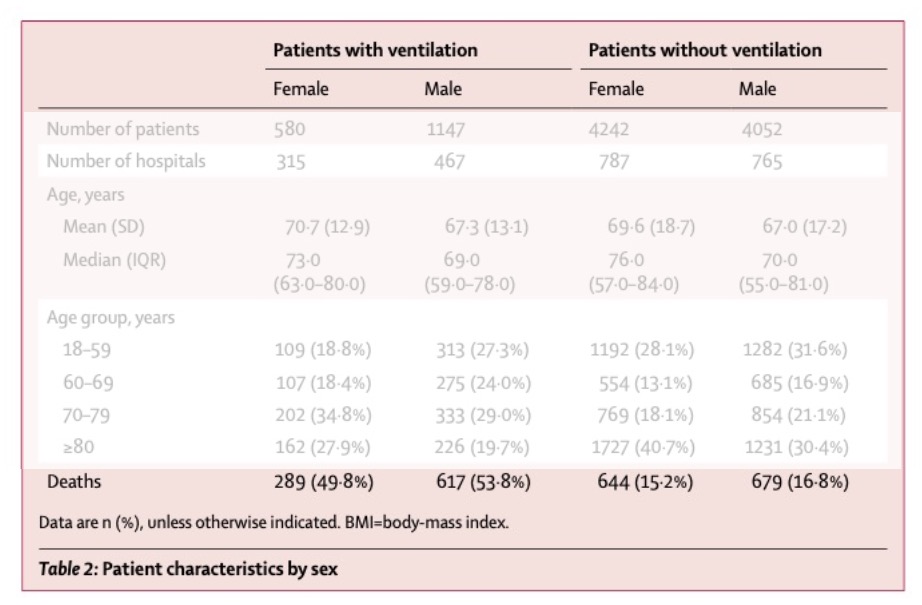
Paradoxerweise könnte auch eine Überversorgung durch zu frühe Intubation die Prognose verschlechtern, so die Annahme von Lungenärzten schon im Frühjahr. Es ist ja schon ein Unterschied, ob sich die Lunge physiologisch mit Unterdruck oder künstlich mit Überdruck bewegt. Eine Studie im Lancet zeigte dann auch eine deutlich bessere Prognose wenn nicht maschinell beatmet wurde. Allerdings kommt hier “confounding by severity” ins Spiel, die Verzerrung durch die schlechtere Ausgangssituation. Das stimmt sicher, aber ist es die ganze Wahrheit?
Karagiannidis et al 2020 https://doi.org/10.1016/S2213-2600(20)30316-7 zeigten schon im Juni eine mehr als dreifach höhere Sterberate in beatmeten Patienten
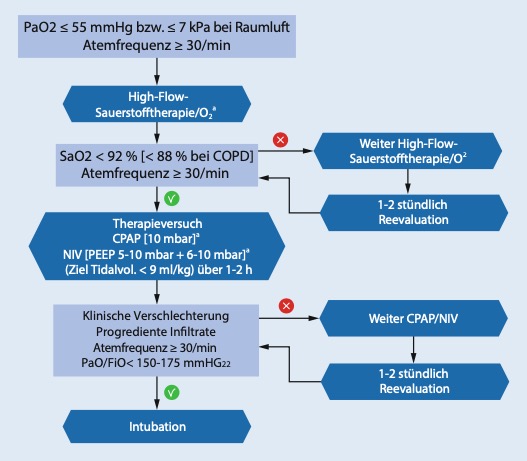
Die aktuellen Empfehlungen zur Intubation basieren auf Horovitz Quotient ( arterieller Sauerstoffpartialdruck zur Konzentration von Sauerstoff in der eingeatmeten Luft), Atemfrequenz, Lungeninfiltrat und allgemeiner klinischer Situation. Es ist dann aber doch sehr unterschiedlich, was die “DIVI” (DÄ) oder die “Lungenärzte” (Respiration) zu dem Thema veröffentlichen.
Warum gibt es trotz der Kontroverse keine prospektive Studie? Warum ist die Mortalität auf Hamburger Intensivstationen 4x höher als in Moers?
Hier ein Vergleich der Leitlinie
Kluge et al. 2020 https://doi.org/10.1007/s00101-020-00833-3 mit der 3. Version der Leitlinie und der Empfehlung “Kommt es unter den durchgeführten Maßnahmen zur weiteren Progression der akuten respiratorischen Insuffizienz, sollten ohne zeitliche Verzögerung die Intubation und eine nachfolgende invasive Beatmung erfolgen. Maßgeblich bei dieser Maßnahme ist ausdrücklich der Patientenwunsch.”
mit der Situation auf der Intensivstation
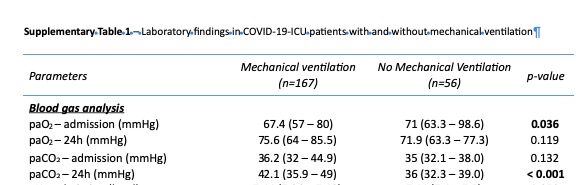
Roedl et al 2020 https://www.ncbi.nlm.nih.gov/pmc/articles/PMC7590821 zeigen nur geringe Unterschiede in den Blutgaswerten bei Aufnahme zwischen beatmeten und nicht beatmeten Patienten, allerdings führt die Beatmung zu einem 10fach höherem Sterberisiko (OR 10.3, 3.5-40.9, p=6.3 *10^-8). Schlusssatz “Different management and therapy strategies of patients with COVID-19 requiring MV … cannot be entirely excluded.”
Warum wird Überleben nicht in einer Studie nach klinischem Status bei Aufnahme in der Klinik, auf der Intensivstation und zum Intubationszeitpunkt ausgewertet? Mit einer zentralen Auswertung der Kliniken wüssten wir vielleicht, warum die Corona Mortalität in Deutschland so unterschiedlich ist.
Kleine Anekdote zum Schluss aus dem Pandemia Podcast (43:30): Der erste SARS Patient 2003 in Europa – der Arzt Hoe Nam Leong – wollte damals in Frankfurt auch nicht beatmet werden, er wusste wohl wieso…
Natural / The Seductive Myth by Alan Levinovitz, p 18
People don’t just live by archetypal myths—they are constituted by them. As the scholar of myth Bruce Lincoln has argued, myth is ideology in narrative form. Want to know what someone stands for? Look to the myths that shape them. Group identity, from religion to politics, depends on an investment in a few foundational stories, which serve as justifications of one’s preferred moral and social order. This is why mythically justified beliefs are so resistant to evidence: changing them means changing yourself.
This is what I think, when colleagues say, that a paper needs a story.
From a recent Nature email newletter: There’s more to science than English
The evidence shows that the pressure to write in English is a source of frustration and anxiety for some non-native English speakers, and hinders diversity in science. …. “English-speakers have become the gatekeepers of science, excluding a wide variety of opinions [and] perspectives,” says conservation scientist Tatsuya Amano.
I have been thinking to buy an Elgato Streamdeck as we have to lecture now also online during winter 2020.
While the Streamdeck mini would be a nice addition to the Elgato 4 K Camlink (that connects the Nikon) as well as the Epoc Cam software (that connects the Iphone) for easy switching input channels, I ultimately decided against this solution and just reconfigured the Touchbar for OBS using Better Touch Tool.
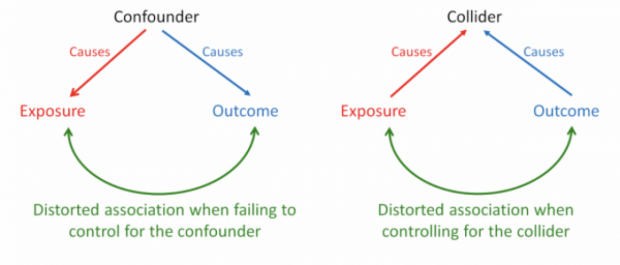
Here is the best explanation of a collider written by Julia Rohrer at www.the100.ci
Whenever X1 (conscientiousness) and X2 (intelligence) both cause Y (college attendance) in some manner, conditioning on Y will bias the relationship between X1 and X2 and potentially introduce a spurious association (or hide an existing link between X1 and X2, or exaggerate an existing link, or reverse the direction of the association…)
The cartoon makes it even clearer – confounder act on exposure and outcome, while collider condition on exposure and outcome.
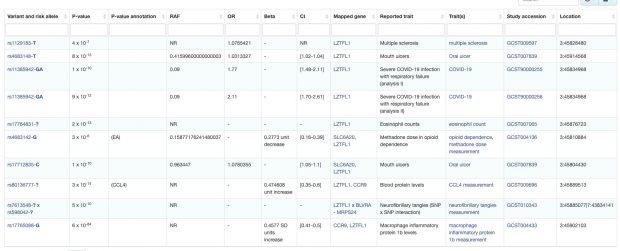
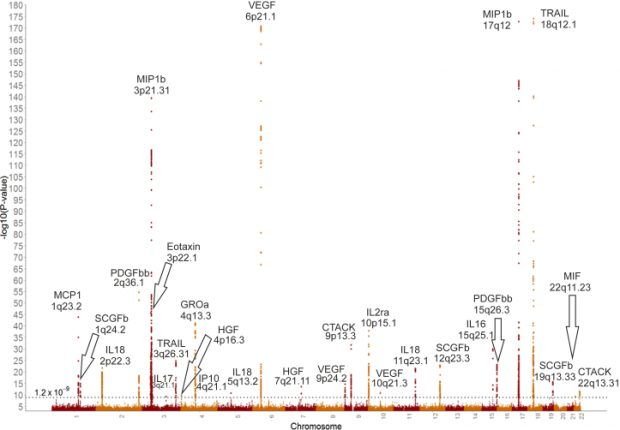
The first GWAS of severe COVID-19 infection was published in the NEJM with the main hit at rs11385942 at locus 3p21.31, a region linked by the authors to LZTFL1. The GWAS catalogue points to MIP1B ( Macrophage Inflammatory Protein 1 beta, MIP-1b, CCL4) level that has been mapped there as well.
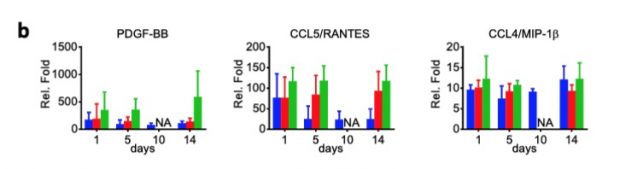
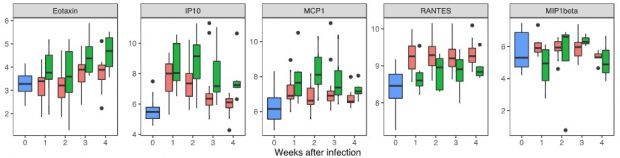
A recent Frontiers review discusses the relationship to the cytokine storm in fatal COVID-19 infection but again no isolated effect. Nevertheless I have a gut feeling from a 1995 Science paper that it could be relevant as it was identified as the major HIV-SF produced by CD8+ T cells (which are so important also in COVID-19 recovery).
Lutz Frühbrodt “- der Begriff Öffentlichkeitsarbeit ist ein typisch deutscher”
Der Begriff Öffentlichkeitsarbeit ist ein typisch deutscher. Er suggeriert, dass Unternehmen gegenüber der Öffentlichkeit eine Arbeit zu leisten hätten, zu deren Bedingungen. Aber, wenn es denn jemals überhaupt so war, dann stimmt das schon längst nicht mehr …Im Verhältnis von Unternehmen zu Journalisten gibt es seit einiger Zeit einen Umschwung von Pull- zu Push-Kommunikation. Anfragen werden immer später bearbeitet, stattdessen versuchen die Unternehmen, selbst Themen zu setzen. Sie betreiben stärker Content Marketing, also “Unternehmensjournalismus”, etwa mit Online-Magazinen und Web-Themenseiten. Es geht darum, in Abwandlung eines Begriffs des marxistischen Philosophen Antonio Gramsci, kommunikative Hegemonie zu erlangen. Themen zu setzen. Sich eigene Kanäle zu schaffen.
Vom neuen “Hochschulinnovationsgesetz” versprechen sich Staatsregierung wie Hochschulchefs viel: Weniger Bürokratie soll den Unis Freiheit, Flexibilität, Innovation und Schnelligkeit bringen. So sollen sie mithalten mit Harvard oder Cambridge, eigene Talente fördern und Spitzenforscher nach Bayern locken … Der Staat hätte nur die Rechtsaufsicht inne – und eine lange Leine: Die “Gestaltungsorganisation übergeordneter Art” werde das Ministerium behalten, sagte Sibler. Die Zielvereinbarungen des Freistaats mit jeder Hochschule sollen eine “stärkere Ergebnisorientierung” haben. Themen wie Ökologie, Geschlechtergerechtigkeit oder die Pflege kleiner Fächer werden festgelegt. Sind Ziele nicht erfüllt, gibt es weniger Geld.
Wissenschaft zu wenig ergebnisorientiert? Ich kenne niemand den Ergebnisse nicht interessieren würde. Spitzenforscher? Ich kenne Multifunktionäre die große Arbeitsgruppen haben. Aber was ist daran Spitze, wenn “ergebnisorientiert” immer noch mehr Artikel produziert werden?
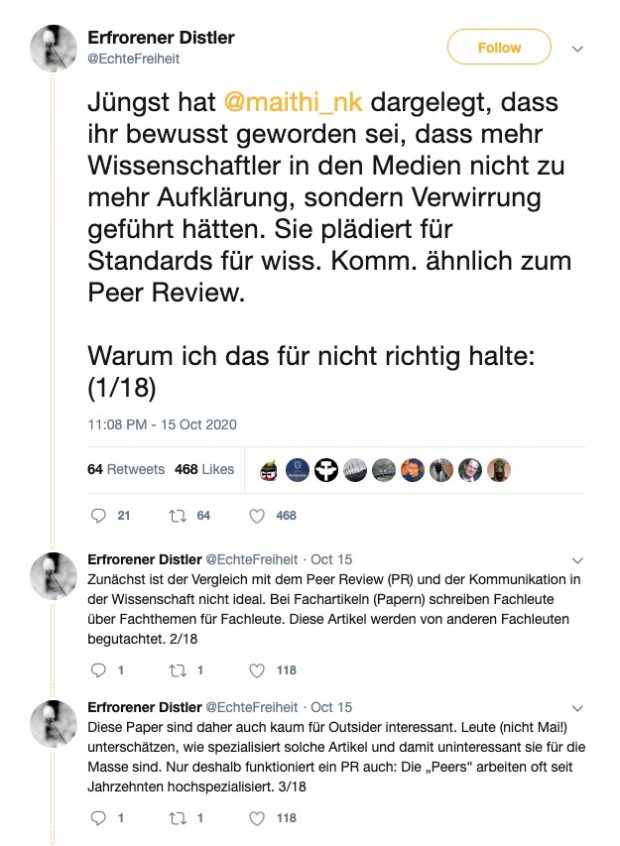
Lesenswert auch der Twitter Thread in diesem Zusammenhang
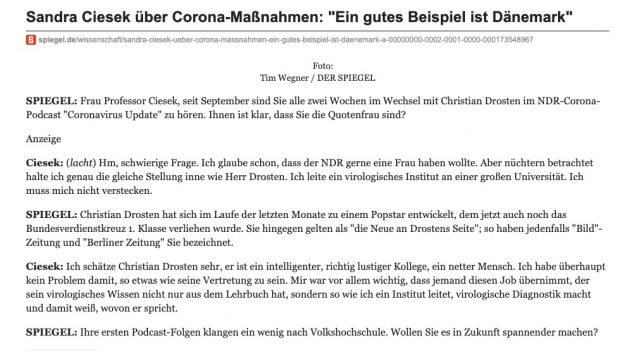
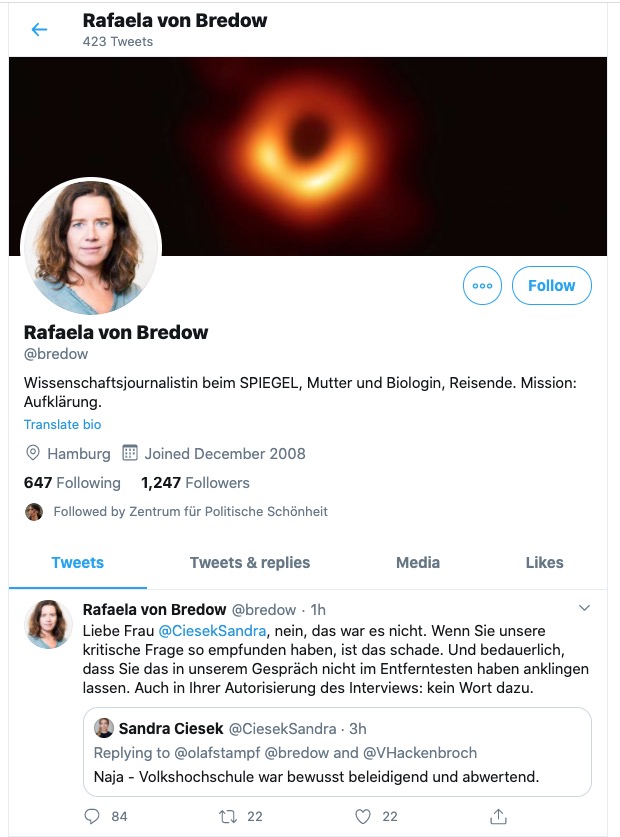
Nach dem Skandal bei der ZEIT versucht sich nun auch der SPIEGEL daran, Wissenschaftler zu diskreditieren…
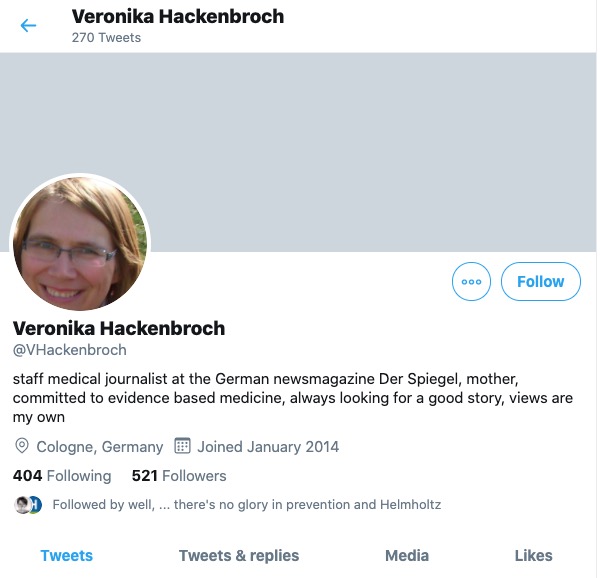
Was Frau Dipl.biol. Rafaela von Bredow und Frau Dr. med. Veronika Hackenbroch mit solchen Fragen bezwecken wollen? Quotenfrau? Volkshochschule? Quelle BILD?
Die Reaktion des amtierenden Leiter Wissenschaft und Technik des SPIEGEL ist genauso respektlos “fragen wird man ja wohl dürfen”.