Category Archives: Genetics

Where have all the flowers gone?

Here is some background information of my forthcoming talk.

Congress: European Academy of Allergy and Clinical Immunology
Congress: 2018 Munich
Session number: OAS 03
Session title: Pan-omics in respiratory and skin disorders
Session date: Sunday, 27 May 2018
Session time: 10:30 – 12:00
Session room: Hall C
Abstract number: 0012


Background: In the pre-GWAS era (1993-2007) numerous association studies have been published in renowned journals including The Lancet, New England Journal of Medicine, Nature, Nature Genetics, Nature Immunology, Science and Human Molecular Genetics. They all showed an association of allergy related traits while these results have not been systematically matched with results from current GWAS studies.
Method: We are now following up several prominent associations by comparing the previously published results with currently deposited data at the NHGRI-EBI Catalog of published genome-wide association studies http://www.ebi.ac.uk/gwas NHGRI-EBI listed phenotypes were only selected if they are not suffering themselves from serious problems like unstandardized outcomes. Also the SNP marker set should have a good coverage of the region of interest.
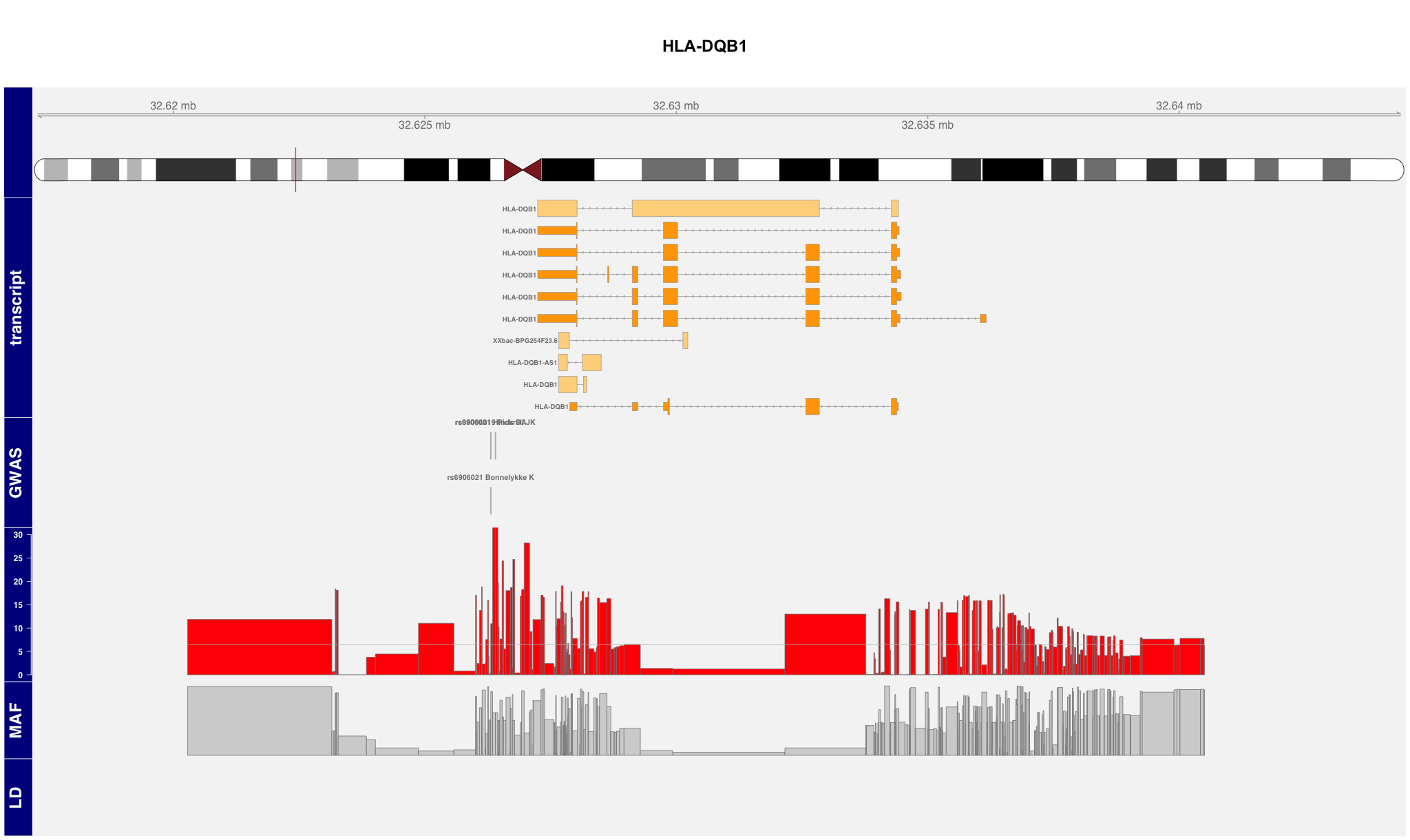
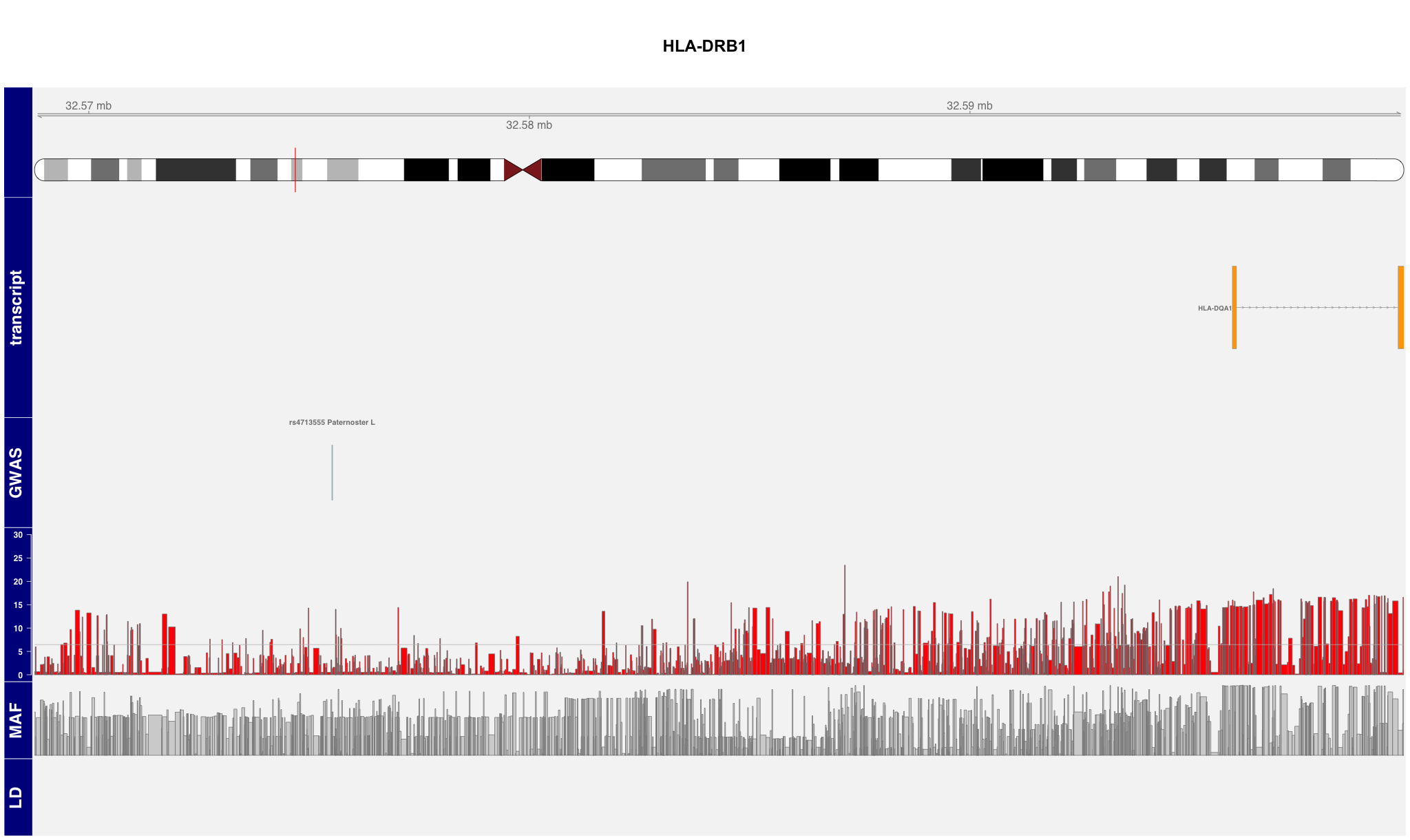
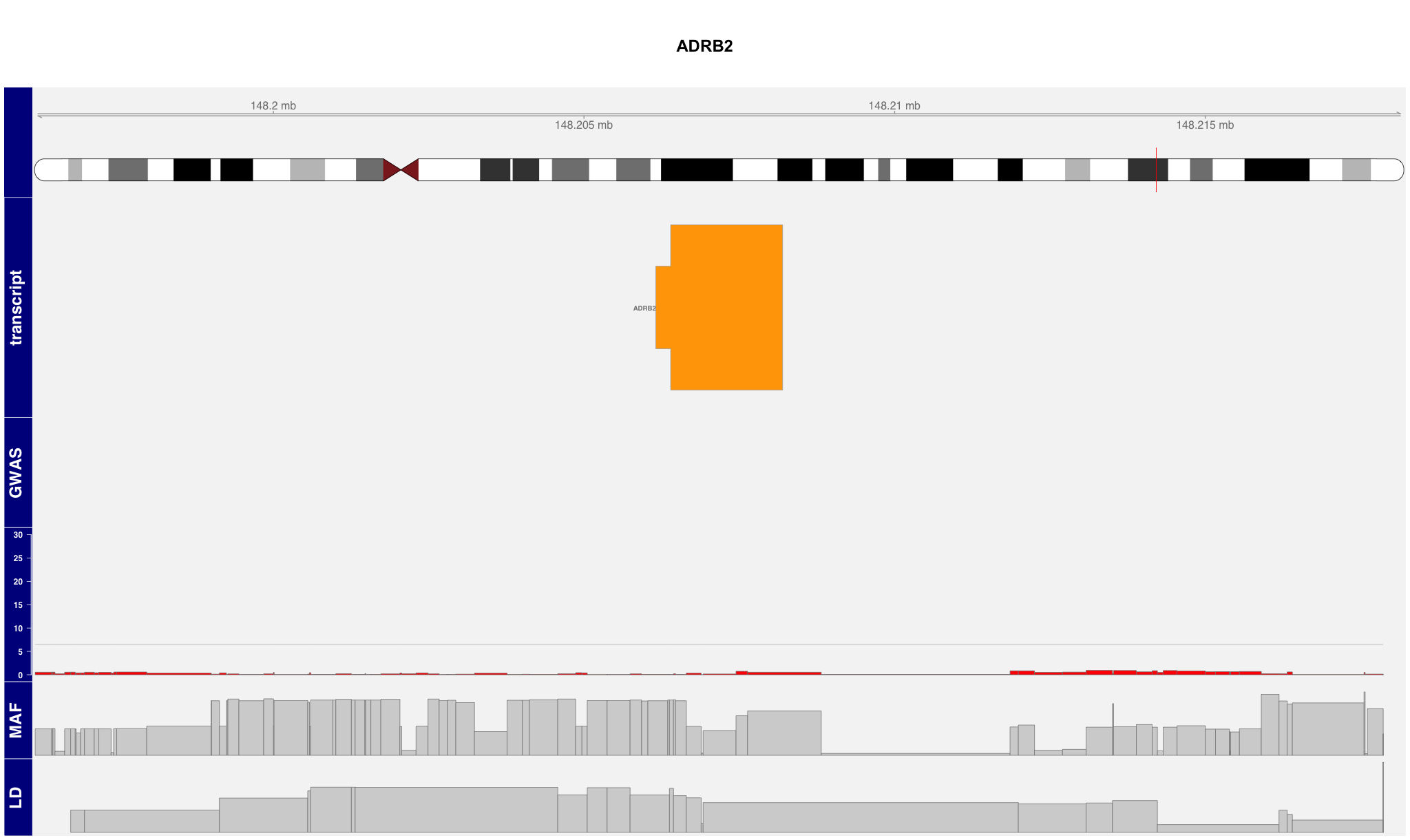
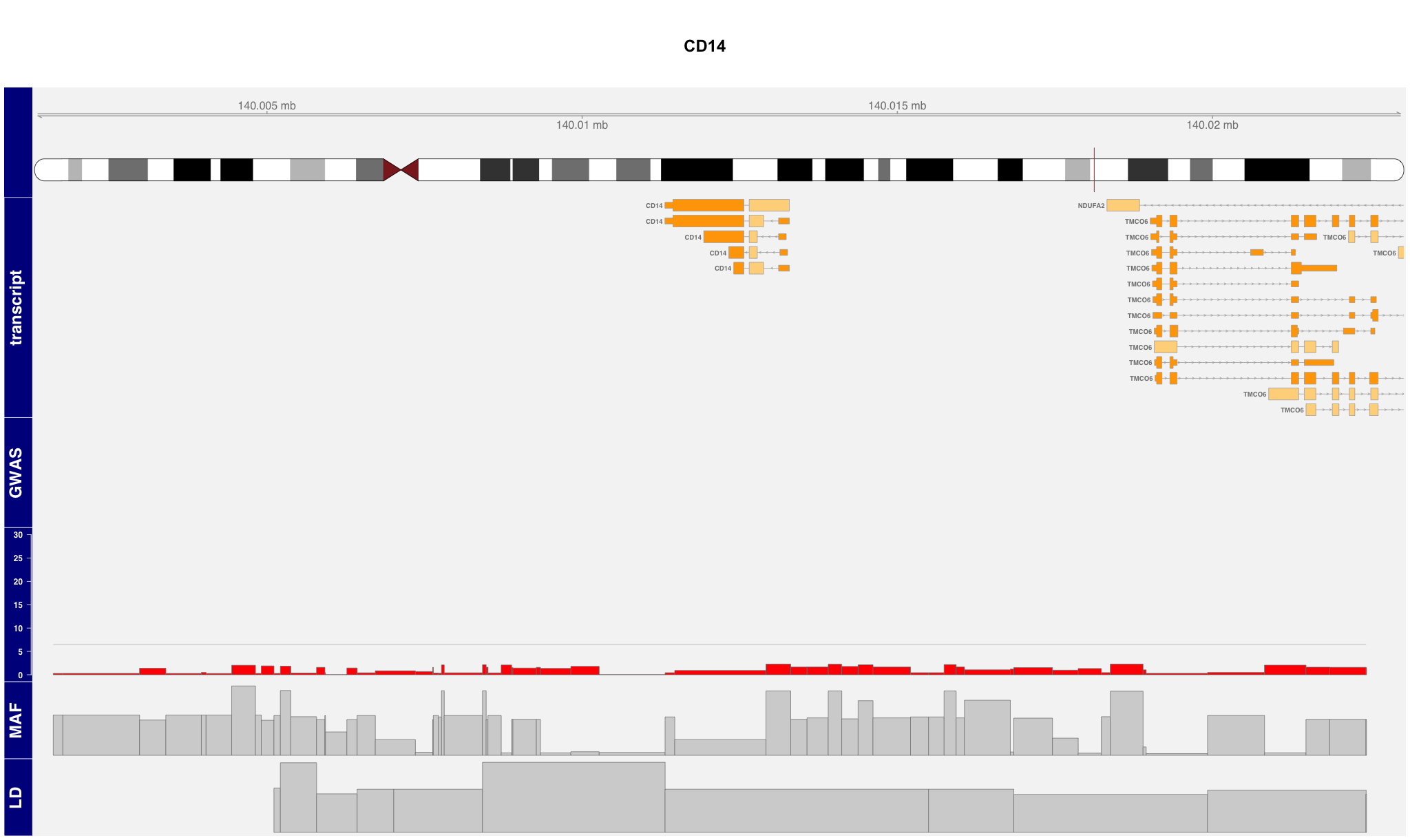
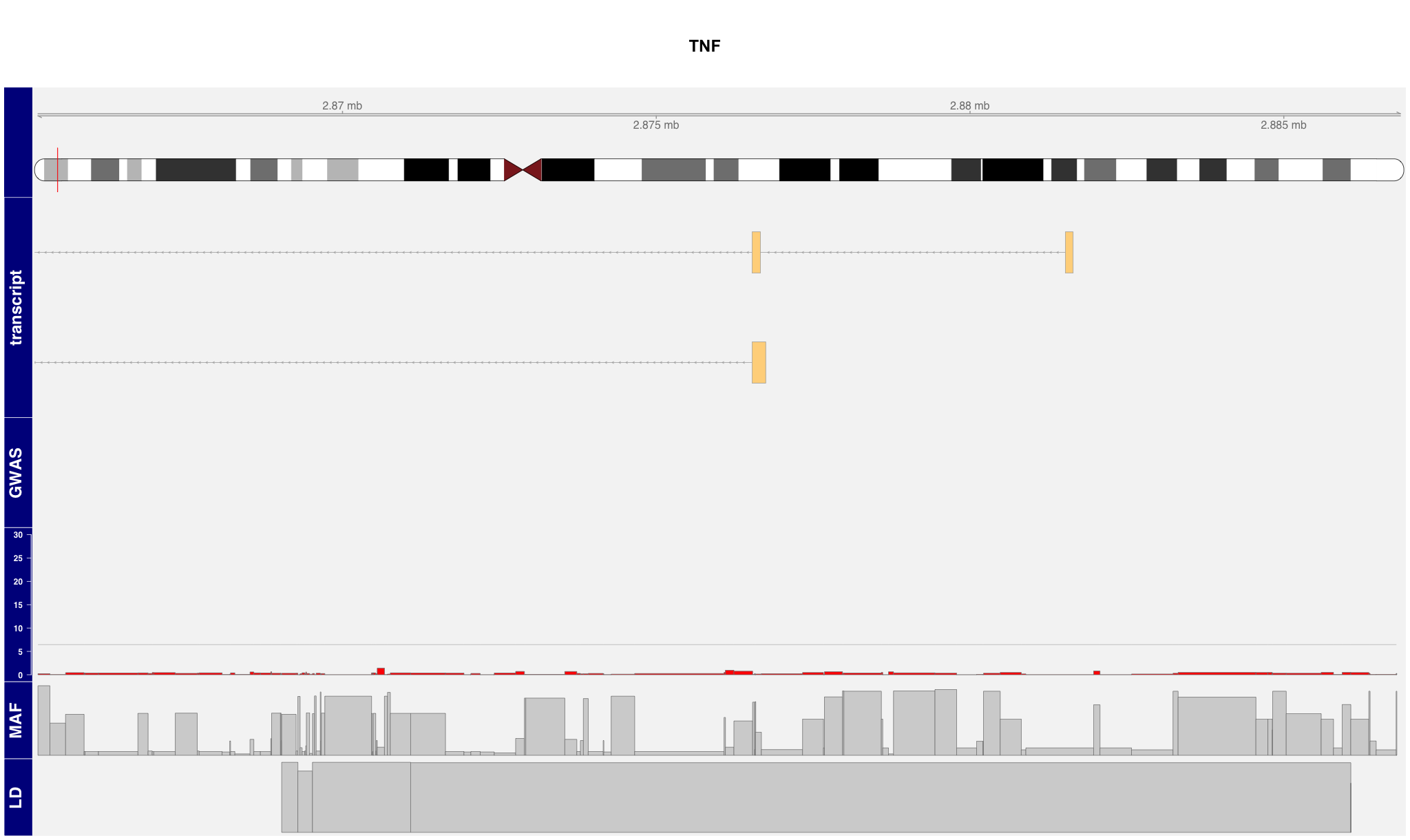
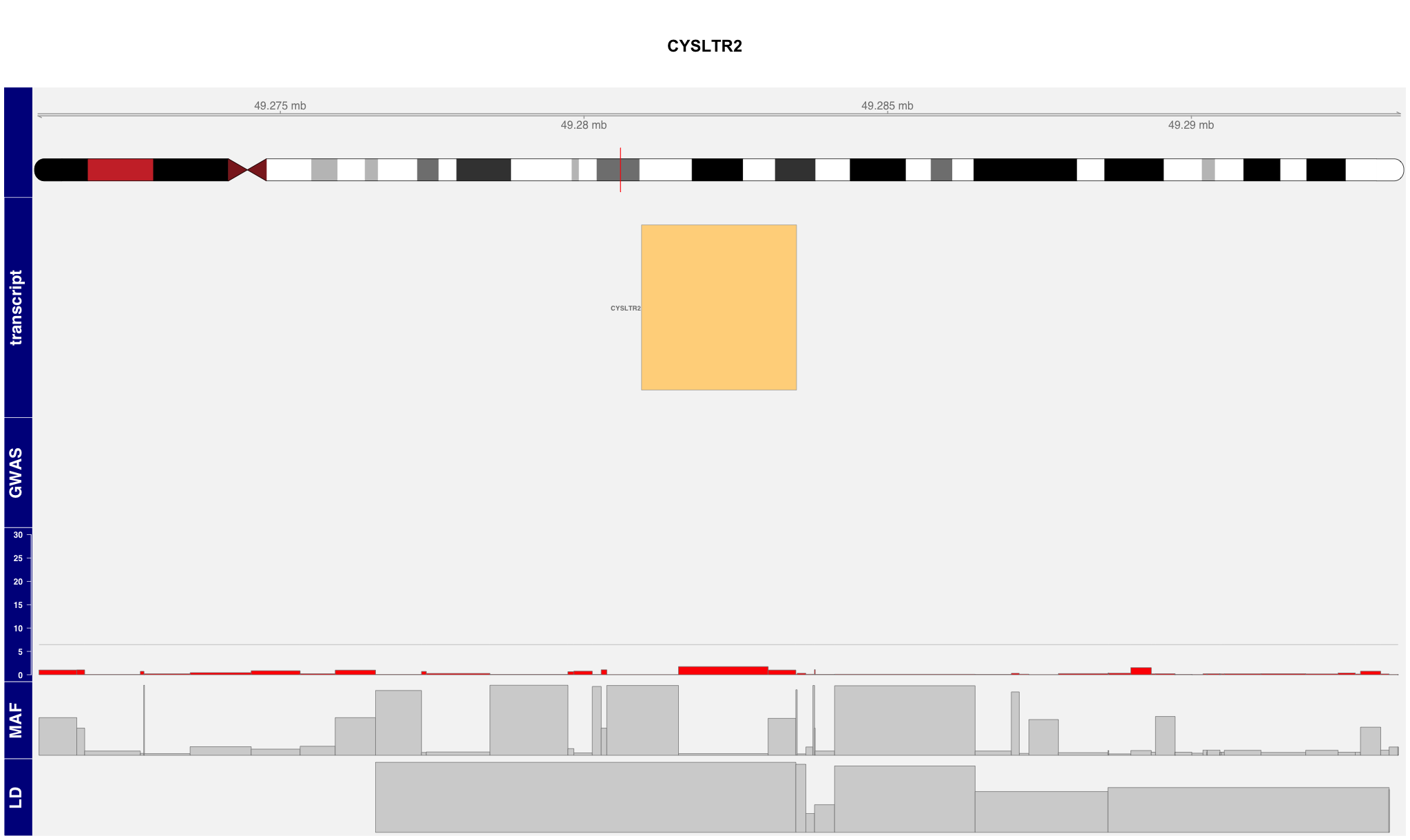
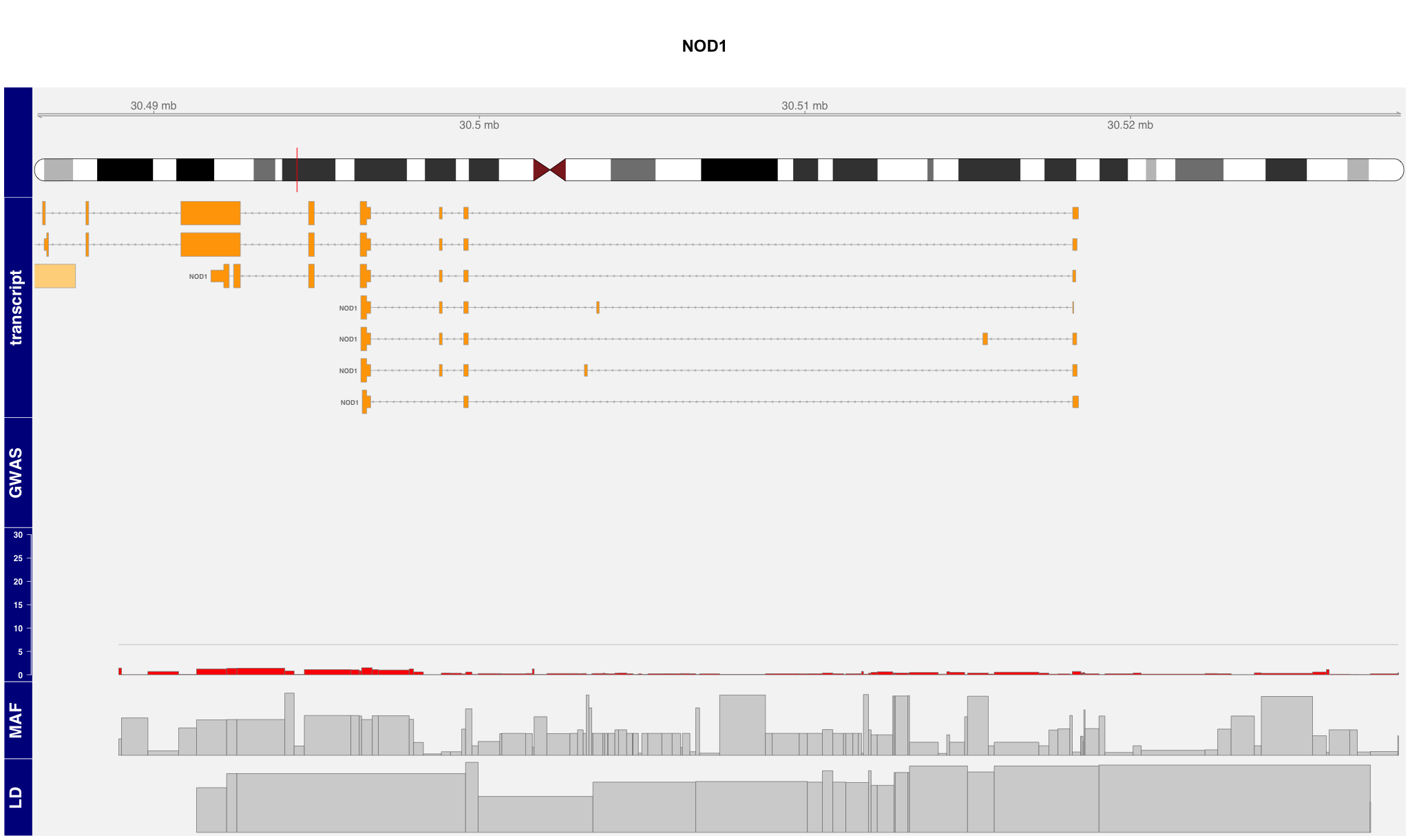
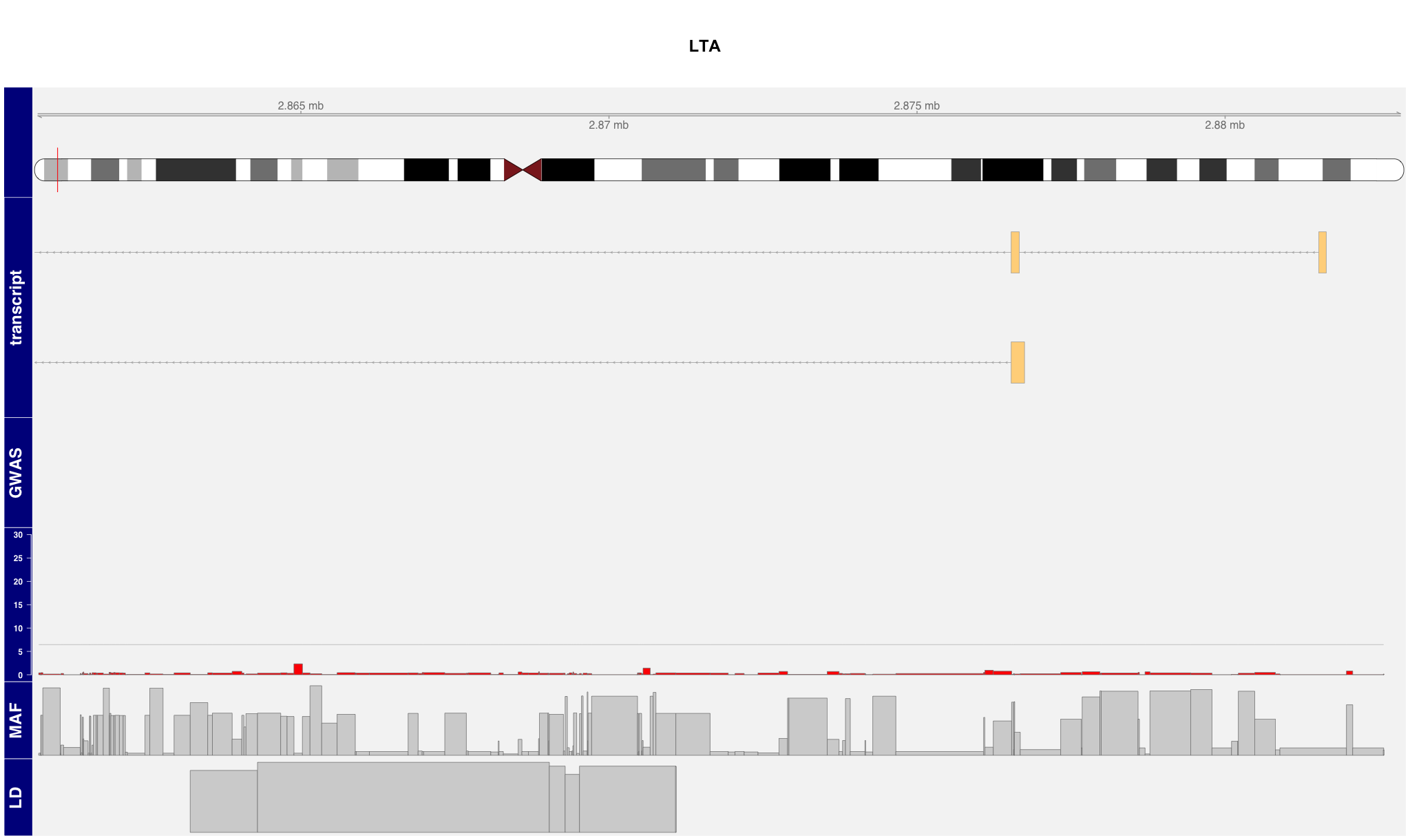
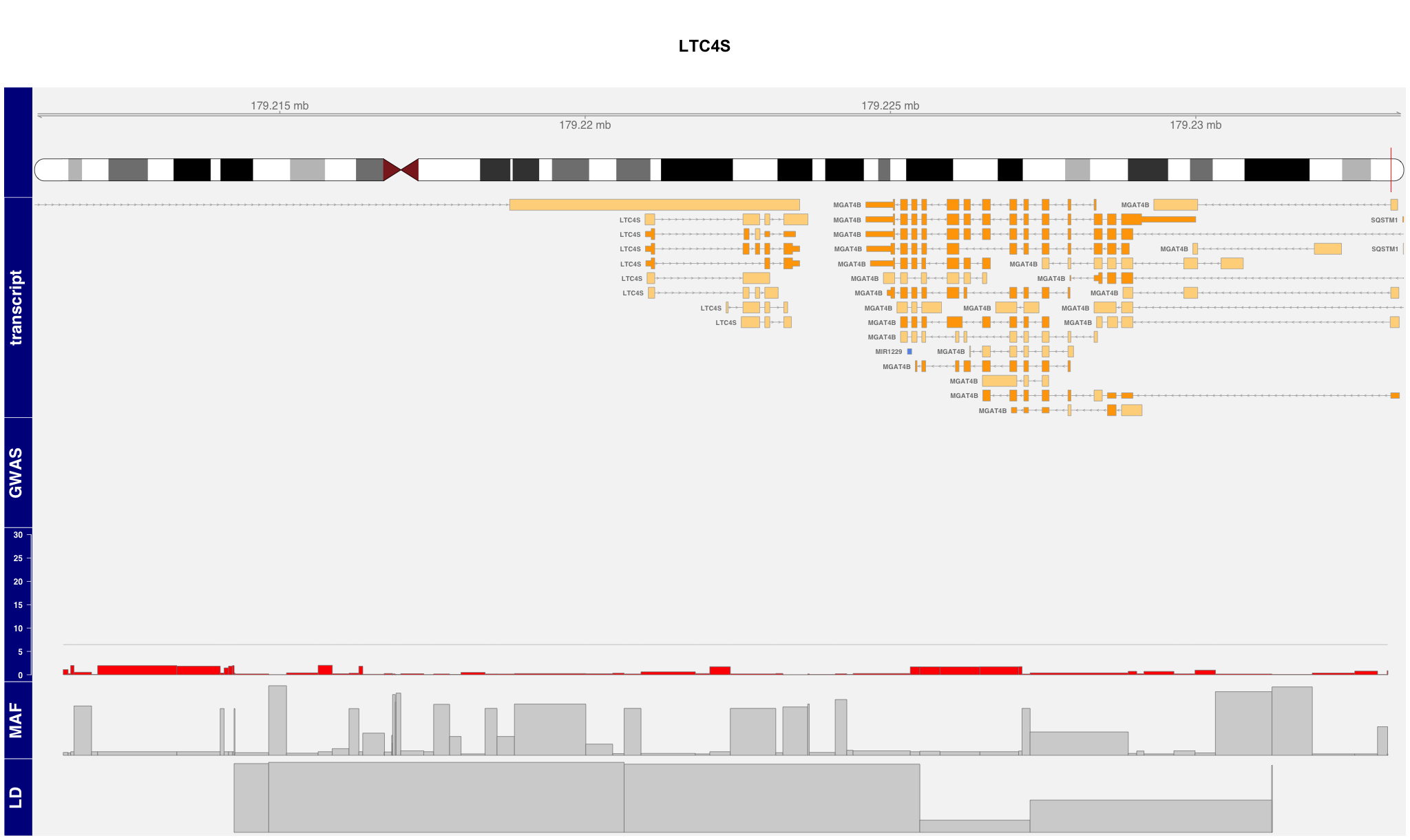
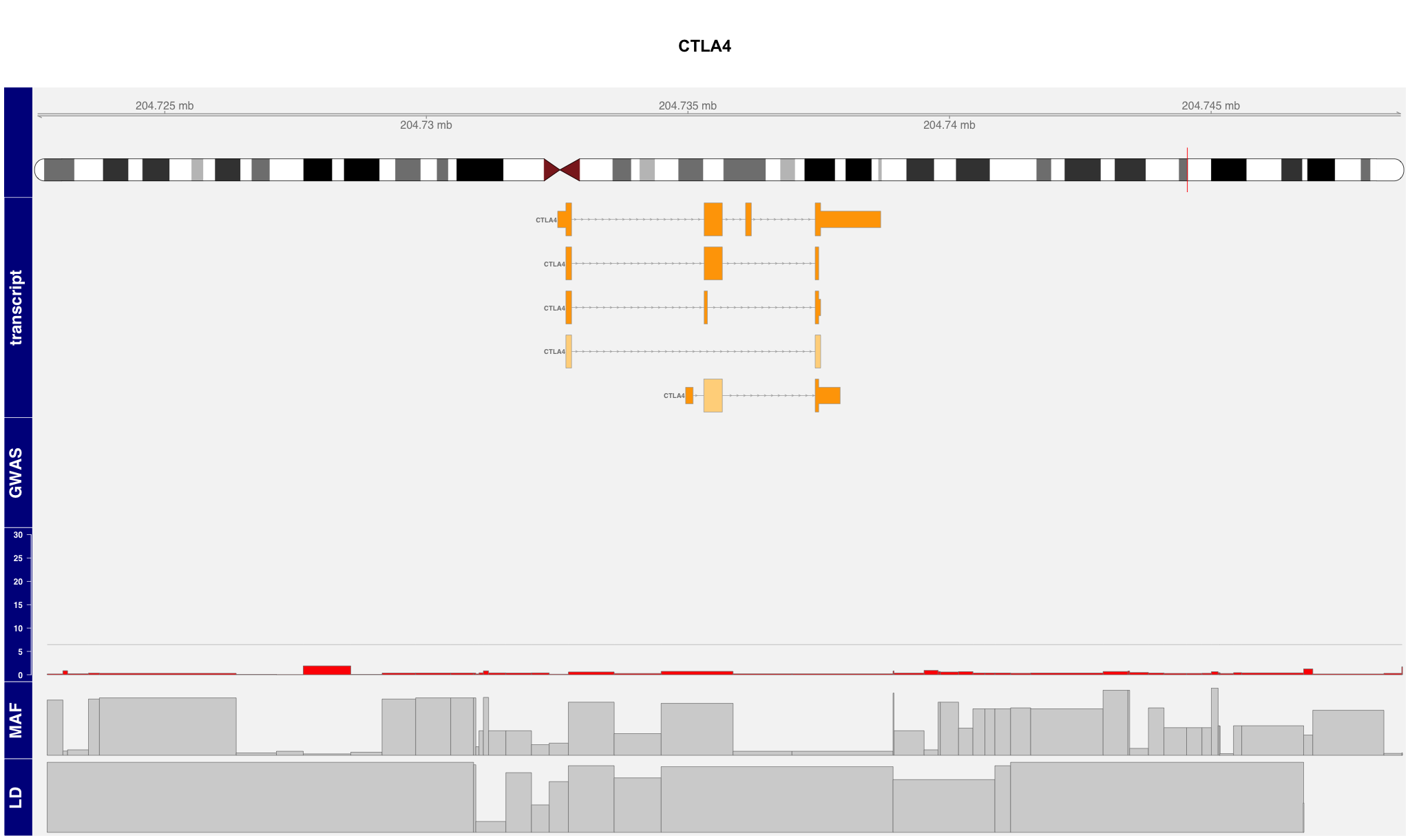
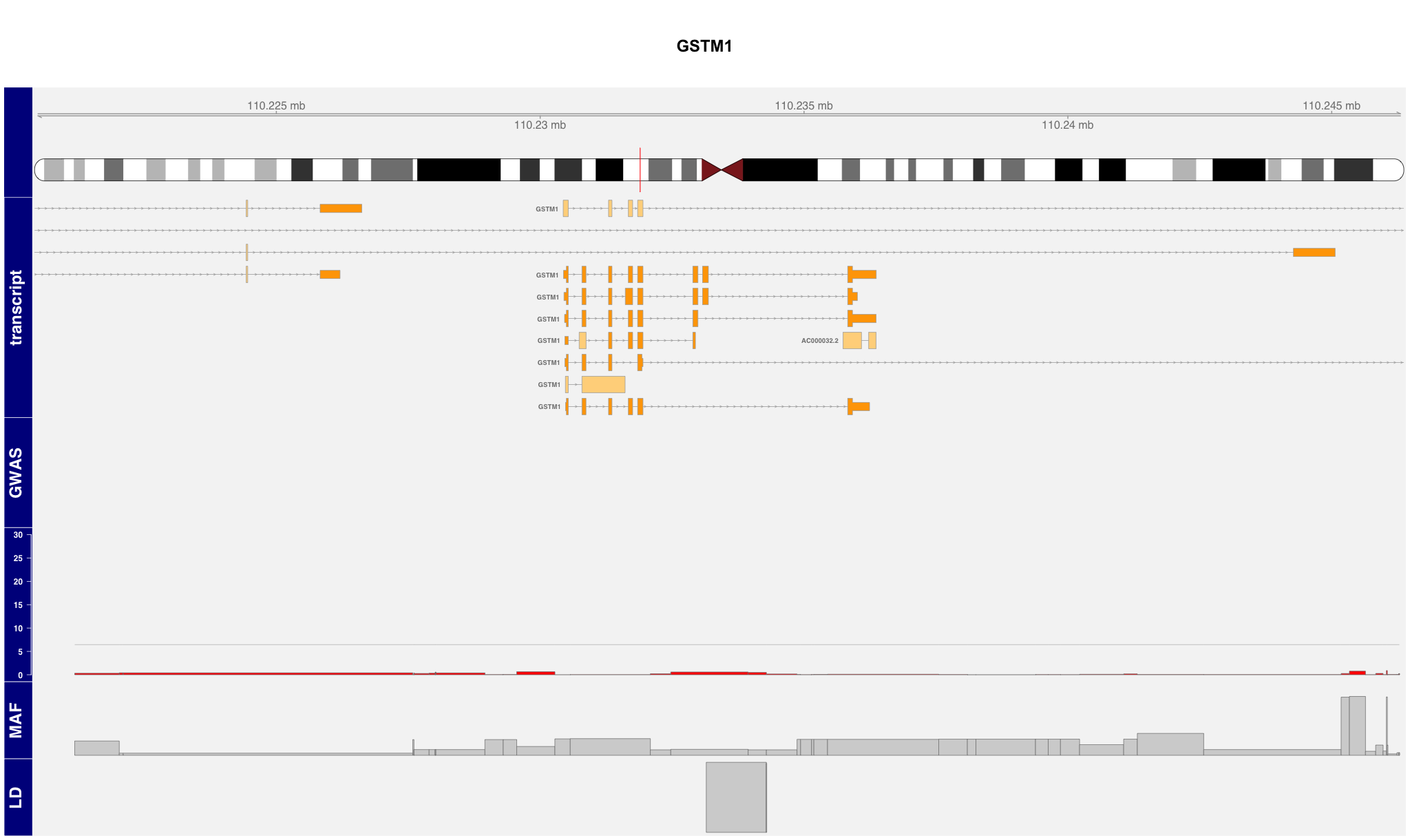
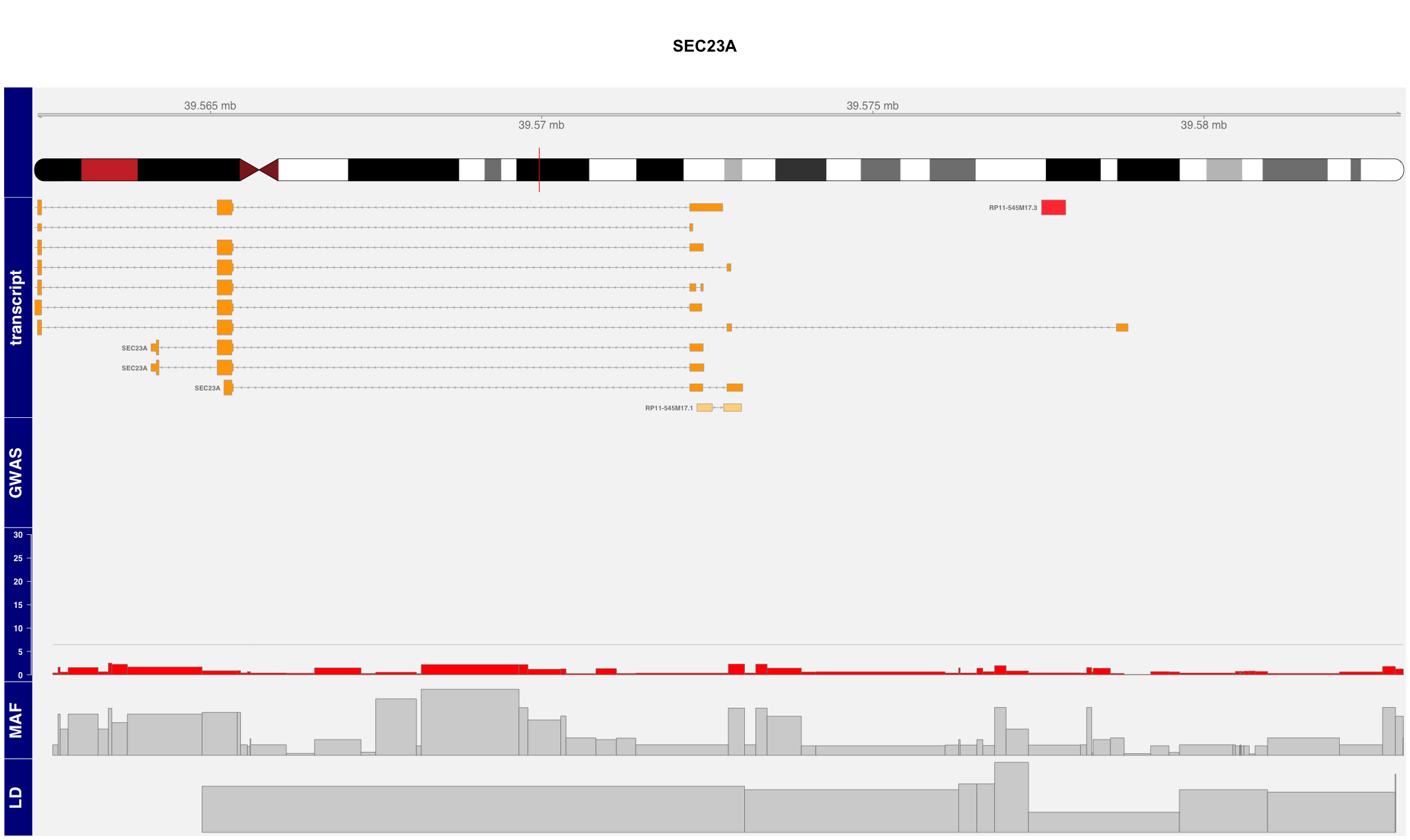
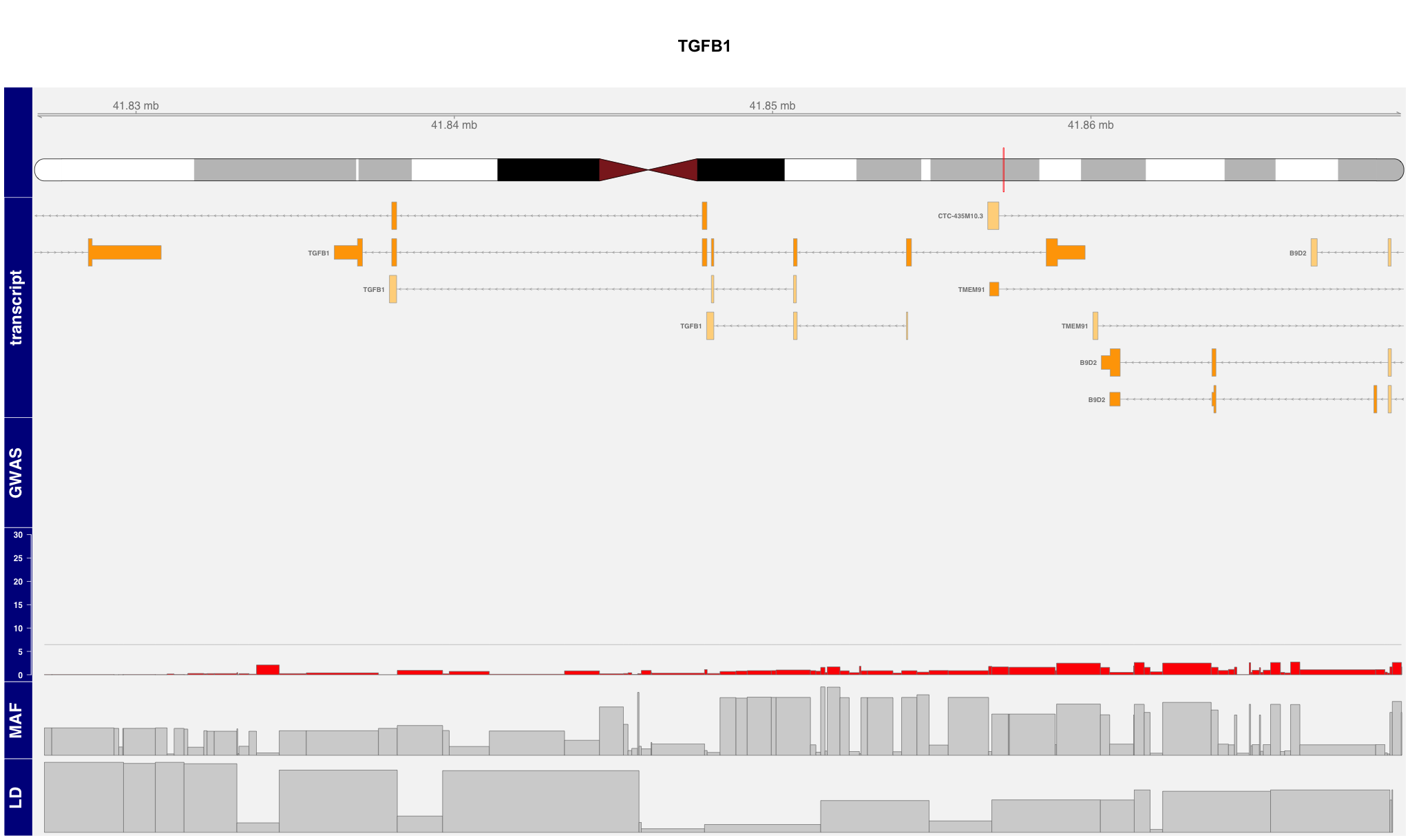
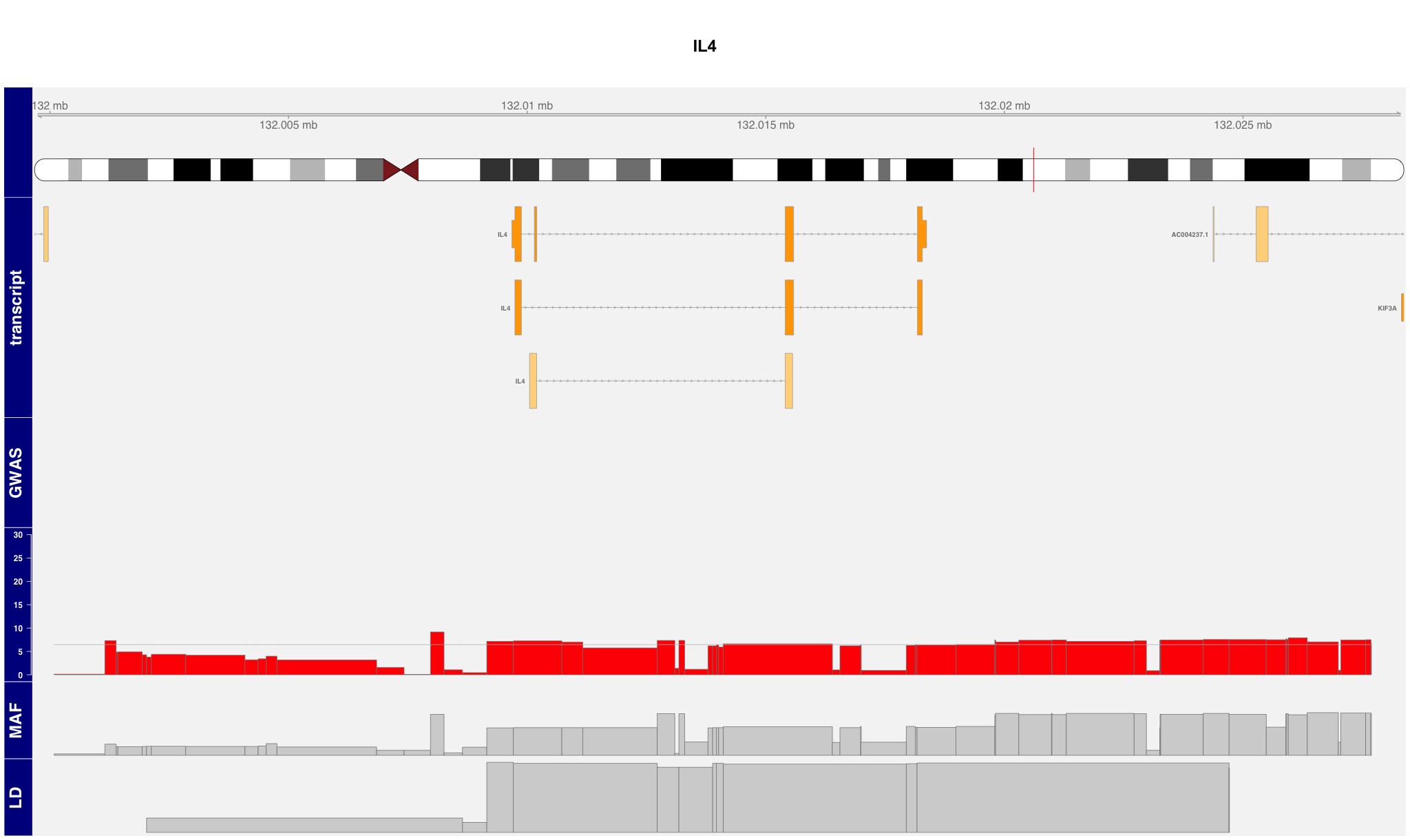
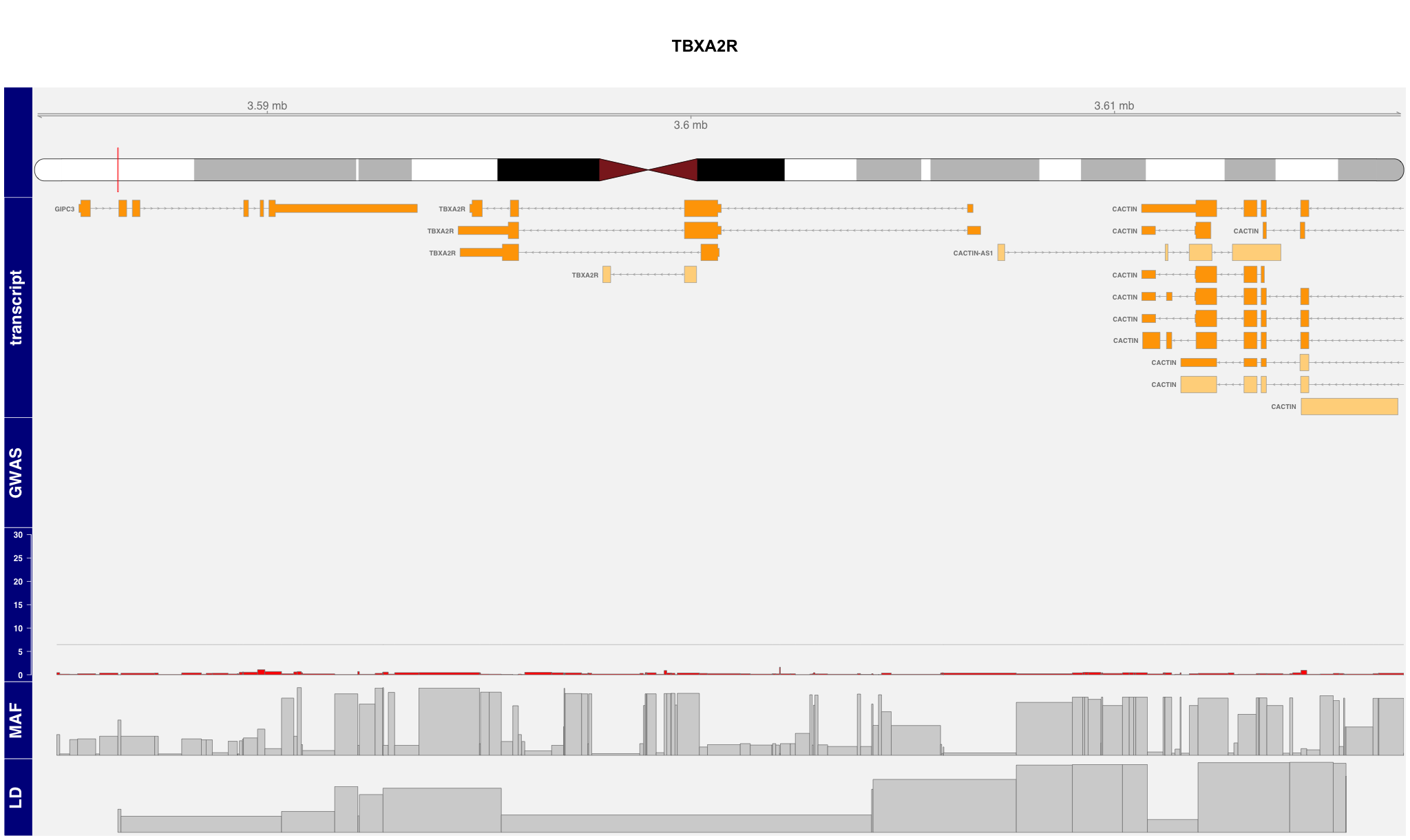
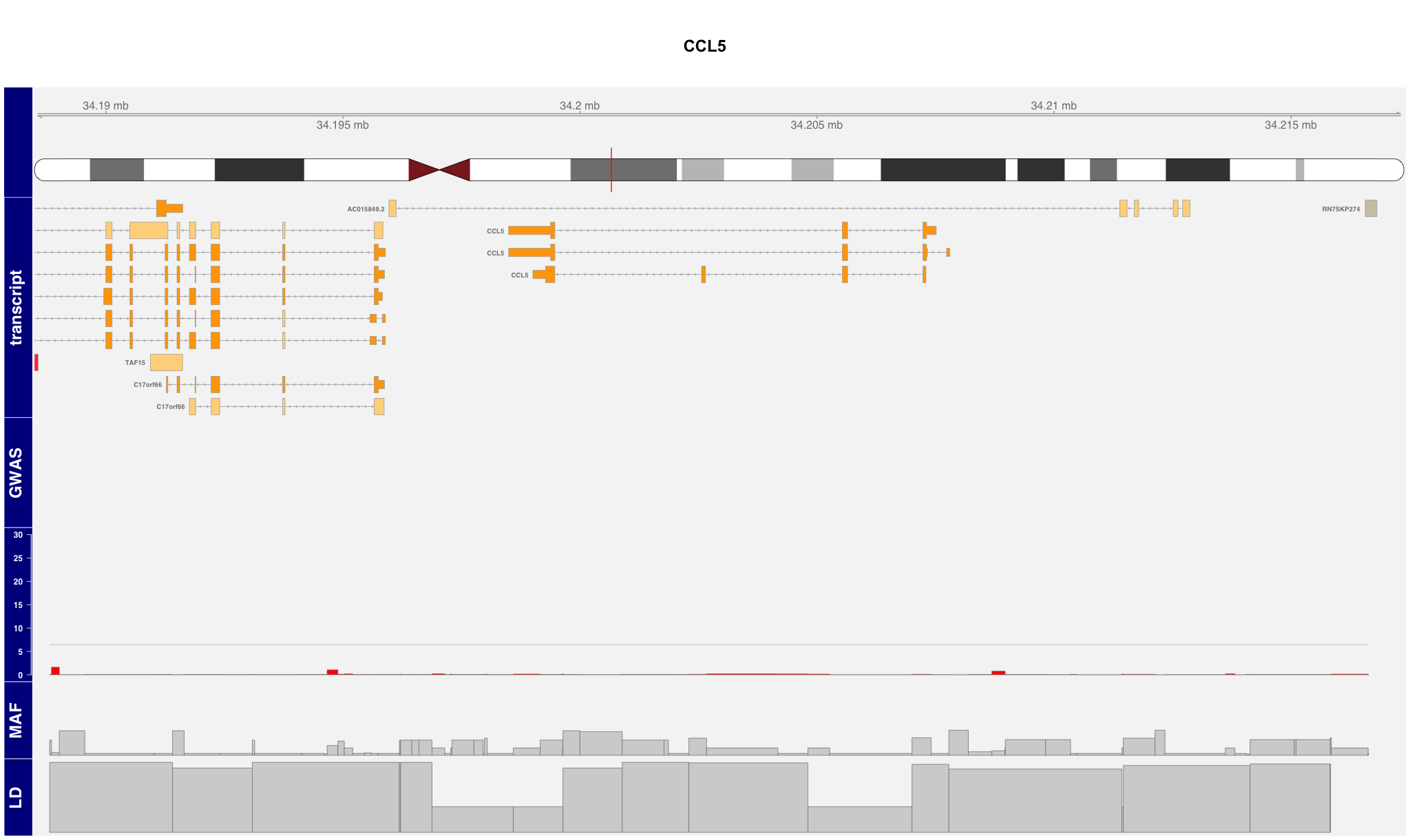
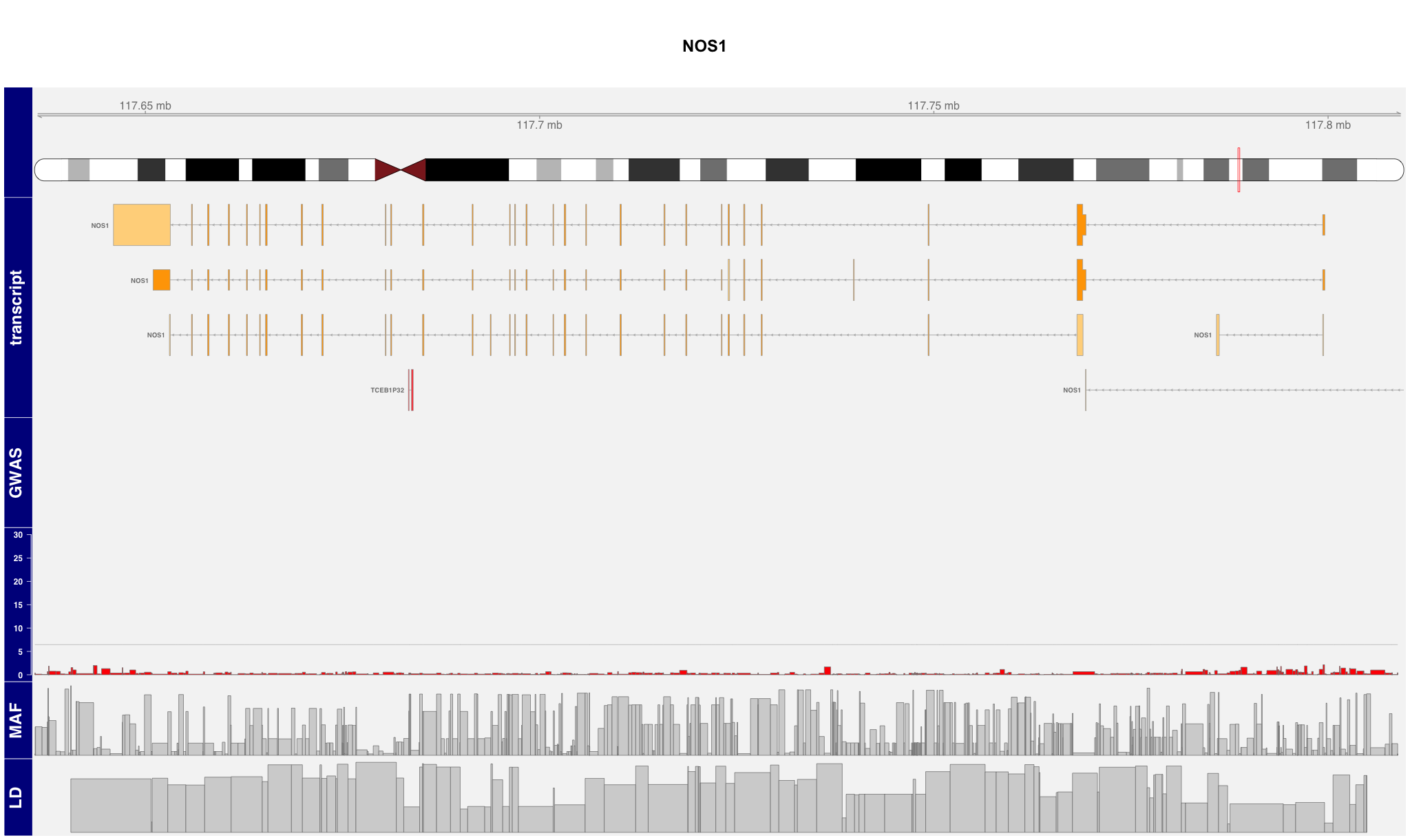
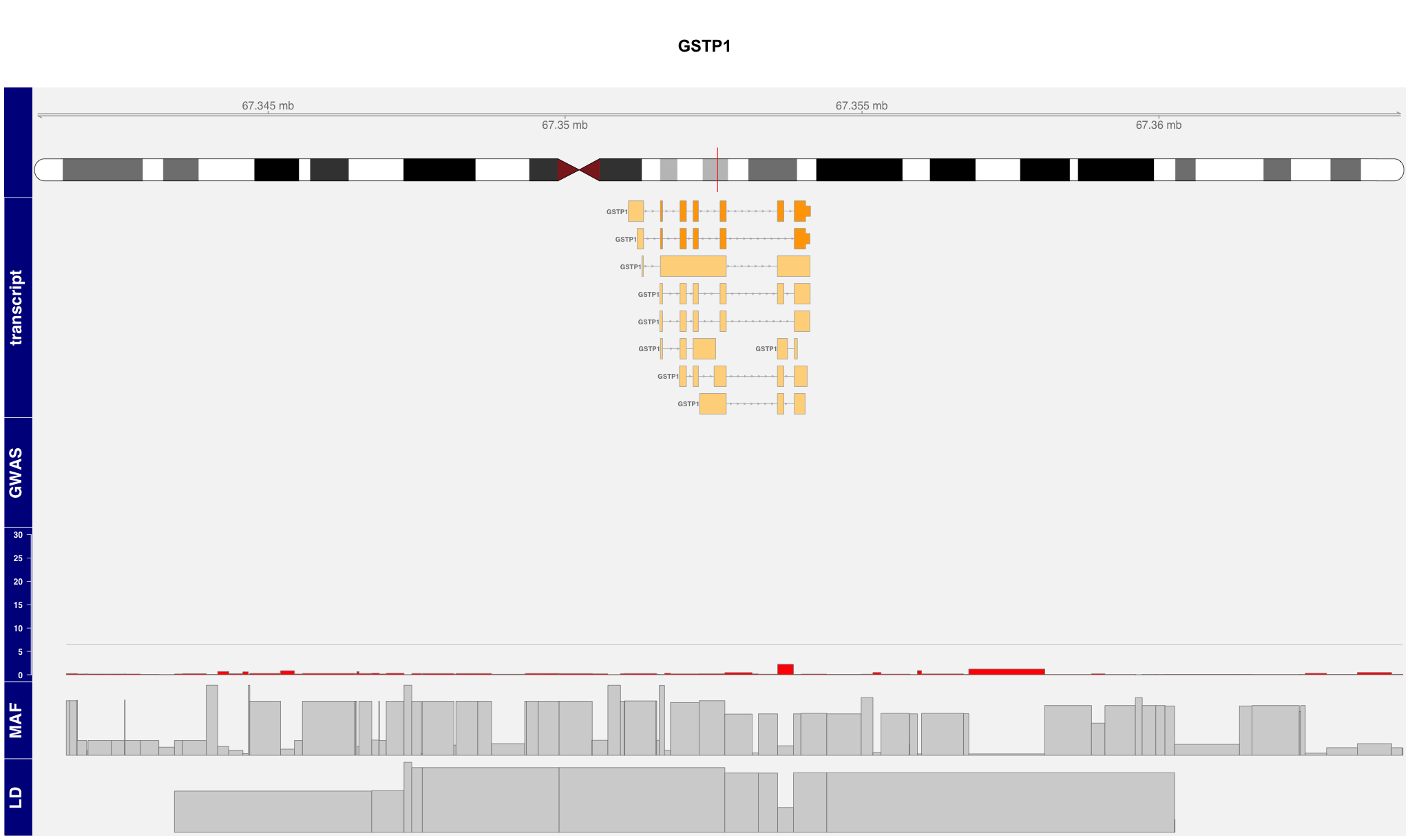
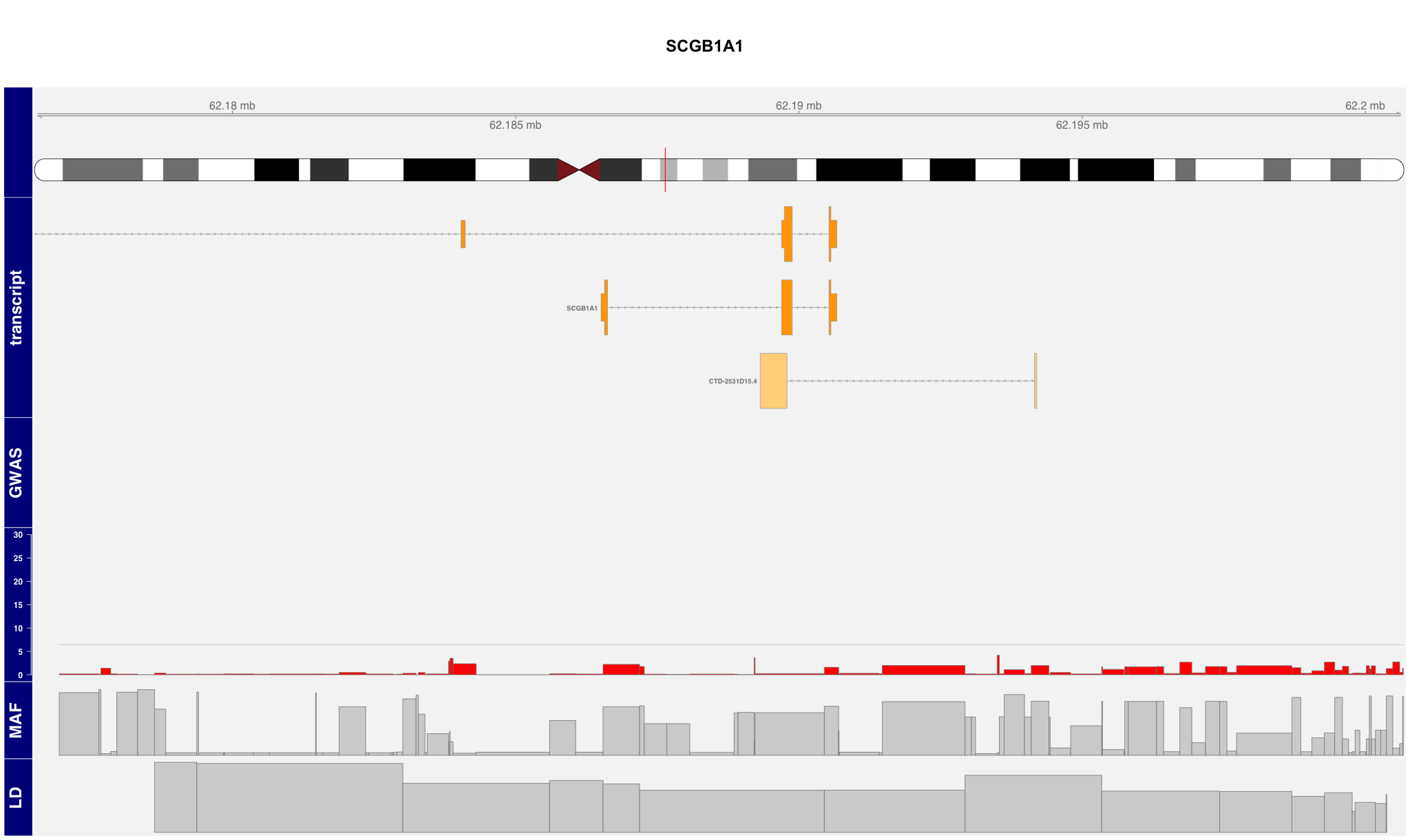
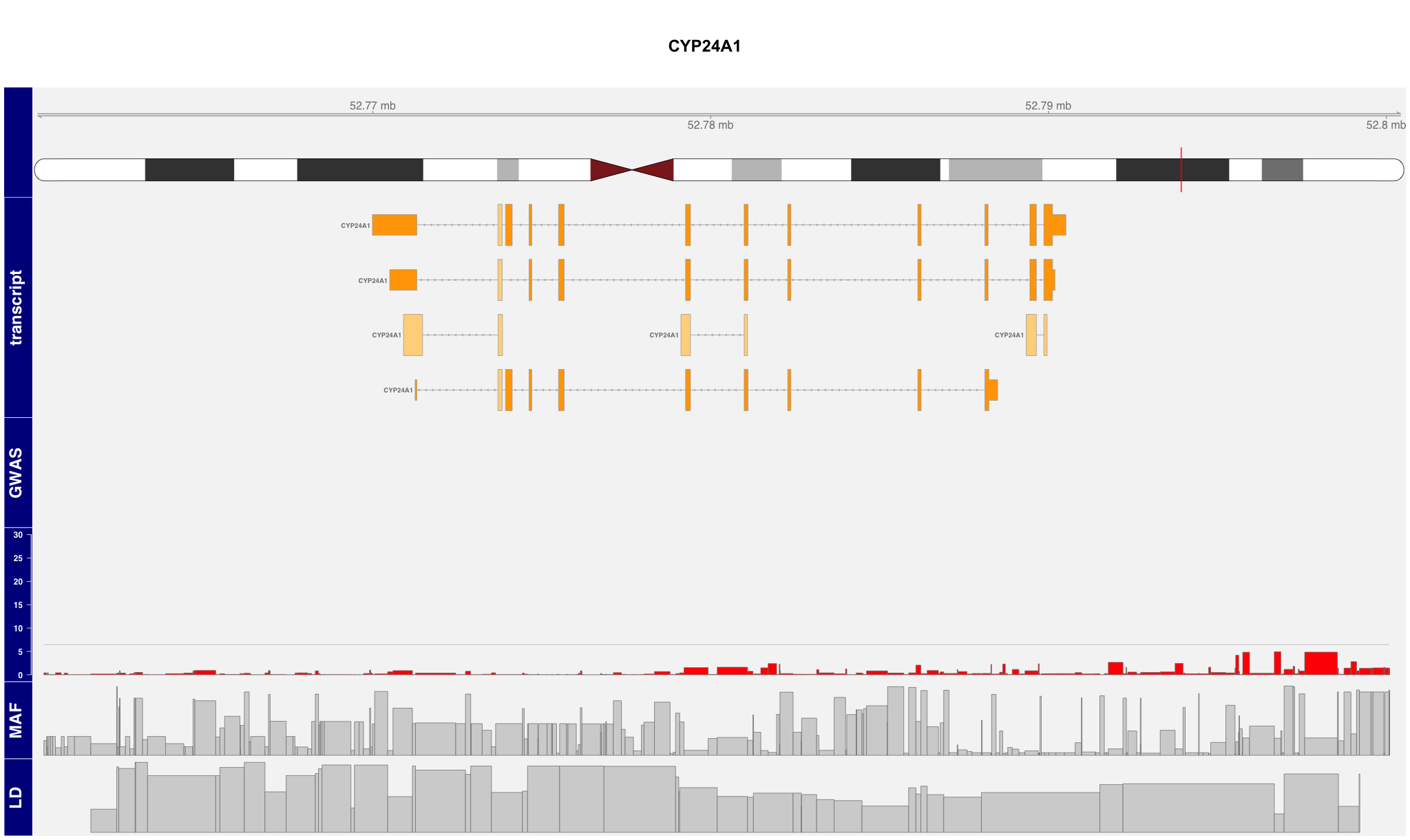
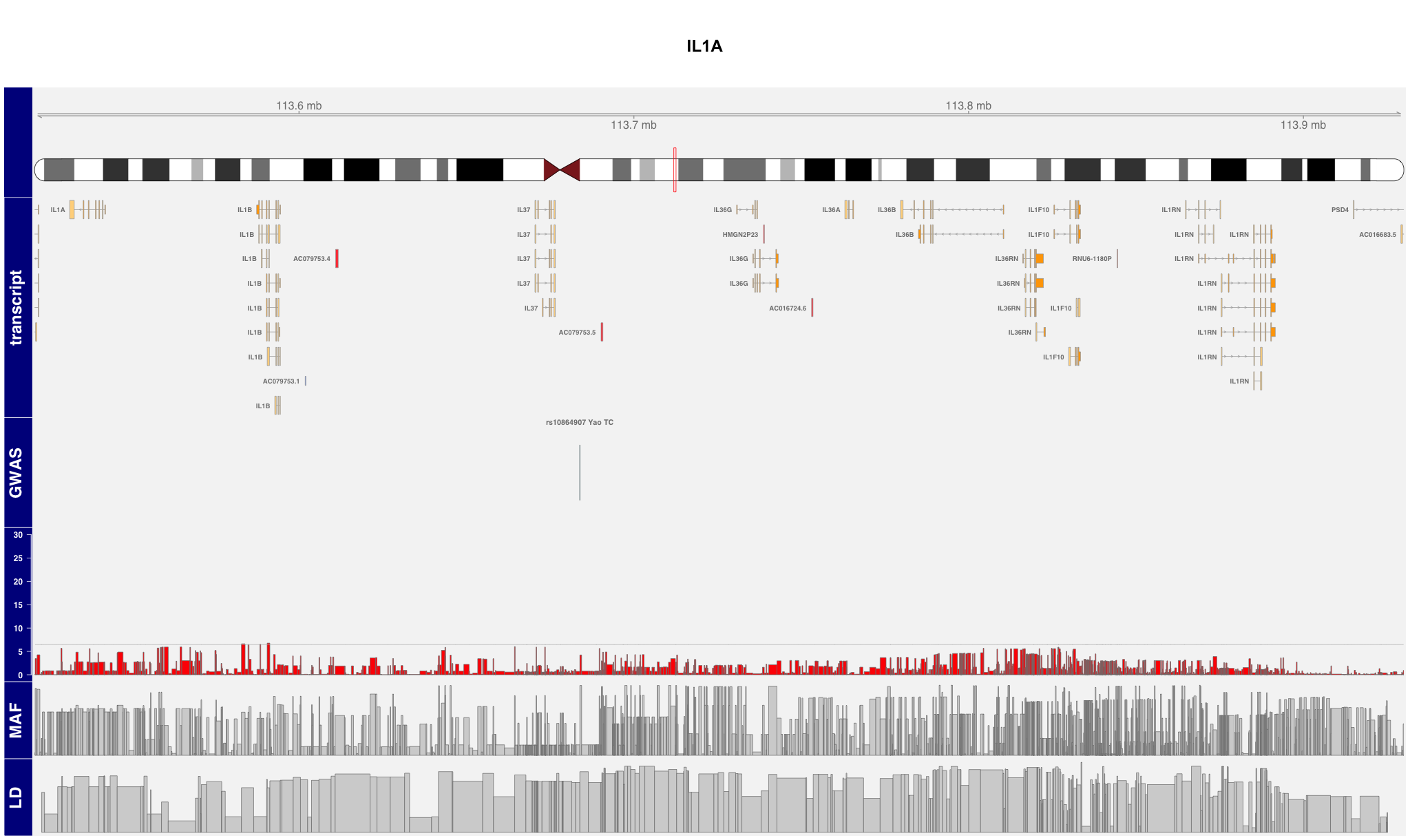
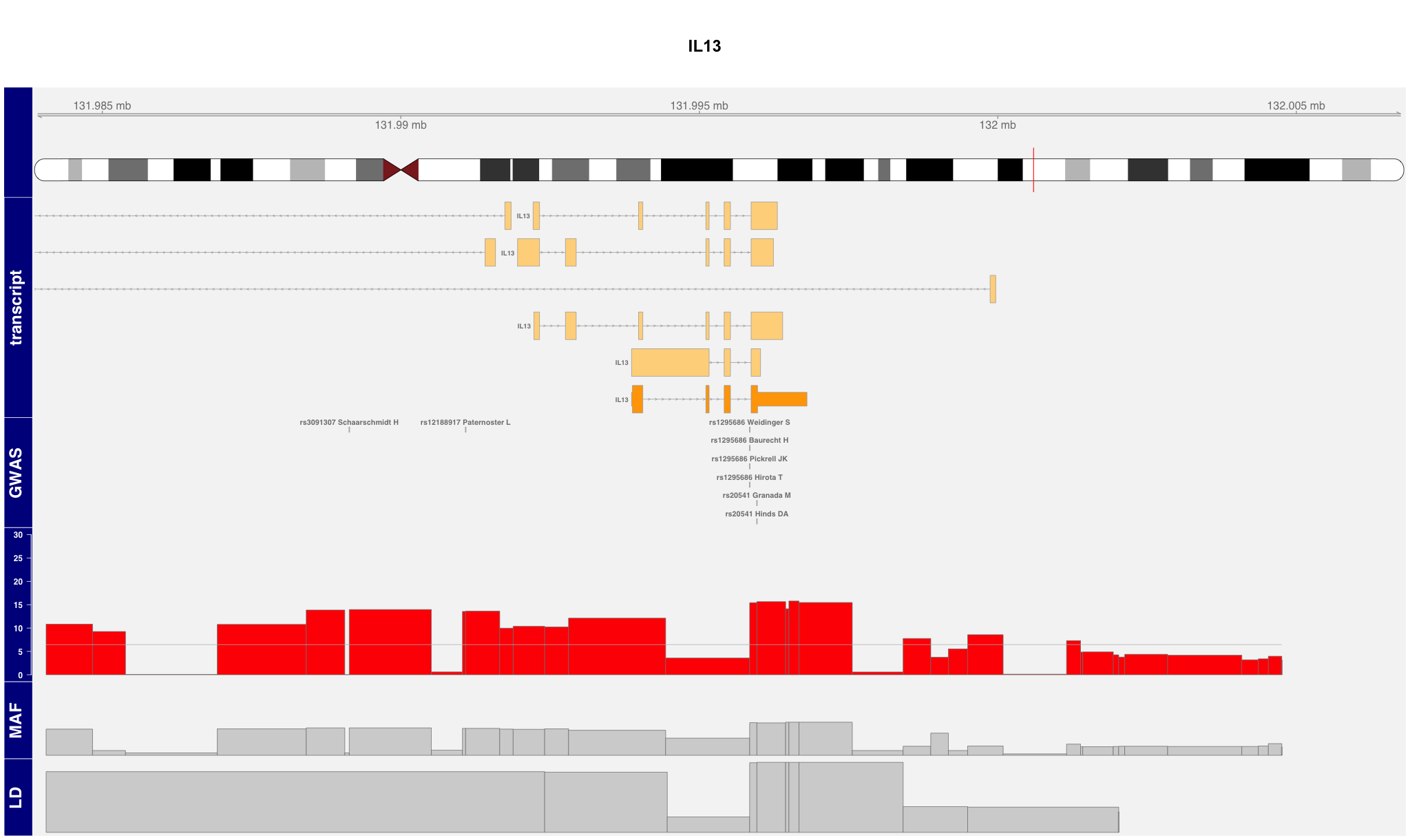
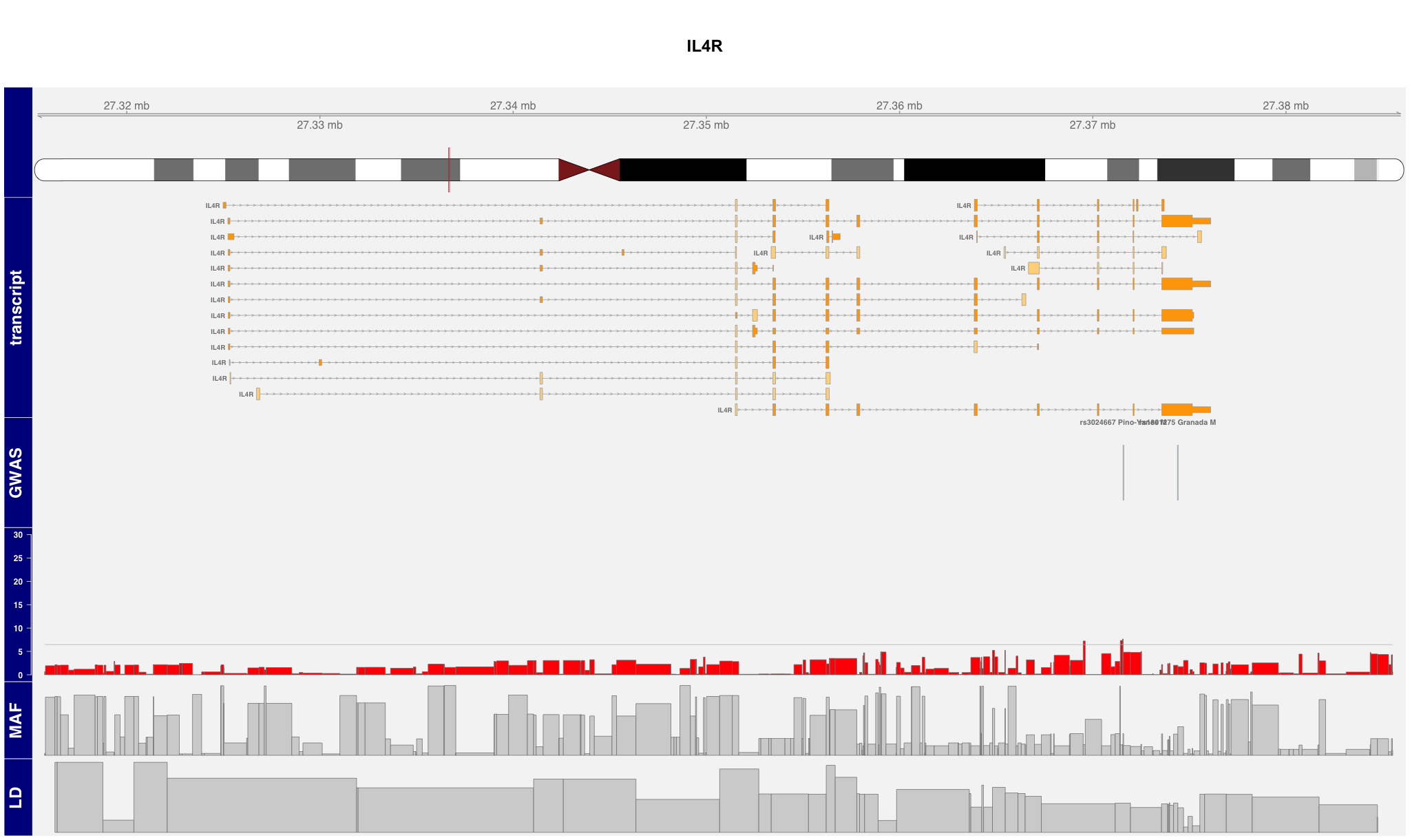
Results: In total 26 allergy associated genes could be reanalyzed. The initial association could not be confirmed for CD14, ADRB2, TNF, MS4A2, ADAM33, GSTM1, IL10, CTLA4, SPINK5, LTC4S, LTA, NPSR1, NOD1, SCGB1A1, GSTP1, NOS1, CCL5, TBXA2R, and TGFB1. Some genes showed borderline significant results like IL4 and IL4R while only IL13, HLA-DRB1, HLA-DQB1, IL1 cluster and STAT6 were clearly associated also in recent GWAS studies.
Conclusion: Most of the early SNP association studies could not be replicated which has also been described in other disease areas (“non- replication crisis”). Assumed reasons range from insuffficient editorial oversight, poor review, phenotyping or genotyping errors, selective reporting or intentional fraud. In addition there are numerous study inherent problems like population stratification or wrong significance thresholds that may have led to largely irreproducible results.
 

CC-BY-NC Science Surf , accessed 16.07.2026

Hyperkalzämie durch Überdosierung mit Vitamin D

Die Arzneimittelkommission der deutschen Ärzteschaft warnt

Eine 78-jährige Patientin (A) und ein 60-jähriger Patient (B) hatten sich eigenständig Vitamin-D-haltige Präparate besorgt und täglich hohe Dosen (A: Vitamin D3 10.000 IE/d; B: "Vitamin D" 50.000 IE/d) eingenommen. Beide entwickelten ein akutes Nierenversagen bei ausgeprägter Hyperkalzämie (A: 3,42 mmol/l; Referenzbereich: 2,15-2,58 mmol/l; für B liegt genauer Wert nicht vor). Hinweise auf alternative Ursachen wie primären Hyperparathyreoidismus, Sarkoidose oder Tumorerkrankung gab es nicht. Der Zustand der Patientin A besserte sich unter forcierter diuretischer Therapie und peroraler Kortisongabe. Patient B entwickelte schwere Komplikationen und hat eine dialysepflichtige Niereninsuffizienz davongetragen (Nierenbiospie: schwerer tubulärer Schaden mit Mikroverkalkungen, passend zu hyperkalzämischer Schädigung).

Damit also Warnung vor Coimbra Protokoll und vor vitamind.net (David Rotter, Jörg Schweikart, u.a.). Eine Hochdosistherapie ist nur bei nachgewiesenem genetischen Defekt der Vitamin D Konversionsenzyme indiziert.


CC-BY-NC Science Surf , accessed 16.07.2026

Stop public funding of this sort of work

One of my most favorite blogs write

We have absolutely no reason–or, at least, no need–to criticize anything about individual mapping papers. Surely there are false findings, misused statistical tests, and so on, but that is part of the normal life in science, because we don’t know everything and have to make assumptions, etc. Some of the findings will be ephemeral, sample-specific, and so on. That doesn’t make them wrong. Instead, the critique should be aimed at authors who present such work with a straight face as if it is (1) important, (2) novel in any really novel way, and (3) not saying that the paper shows why, by now with so many qualitatively similar results, we should stop public funding of this sort of work.

Maybe I see also good reasons to criticize individual mapping papers.


CC-BY-NC Science Surf , accessed 16.07.2026

So did you also get your DNA typed at 23andme?

The Guardian reports today that police used genealogy sites to match DNA of Golden State Killer suspect but all major companies deny releasing customer information.

23andMe said the company was not involved in the case and that it had never given customer information to law enforcement officials. The platform does not support the comparison of genetic data processed by any third party to genetic profiles in its own database.
An Ancestry.com spokeswoman said: "We have not been in contact with law enforcement regarding the Joseph James DeAngelo case. Ancestry advocates for its members' privacy and will not share any information with law enforcement unless compelled to by valid legal process."

11 May 2018 CNN explains how police created a fake family tree at GEDmatch

The arrest was made on the basis of genetic information, with detectives matching a discarded DNA sample from his home to evidence from the investigation, law enforcement officials said. DNA evidence is used to implicate criminals every day, but the method used in this case was new… The investigators used an open-source genetic database, GEDmatch, to explore family trees and see whether any contained matches to DNA samples from the crime scenes, according to Paul Holes, a retired cold case investigator who briefed the Sacramento County sheriff throughout the final stages of the investigation.
Once a family profile was created, the investigators could find feasible “suspects” within a family.


CC-BY-NC Science Surf , accessed 16.07.2026

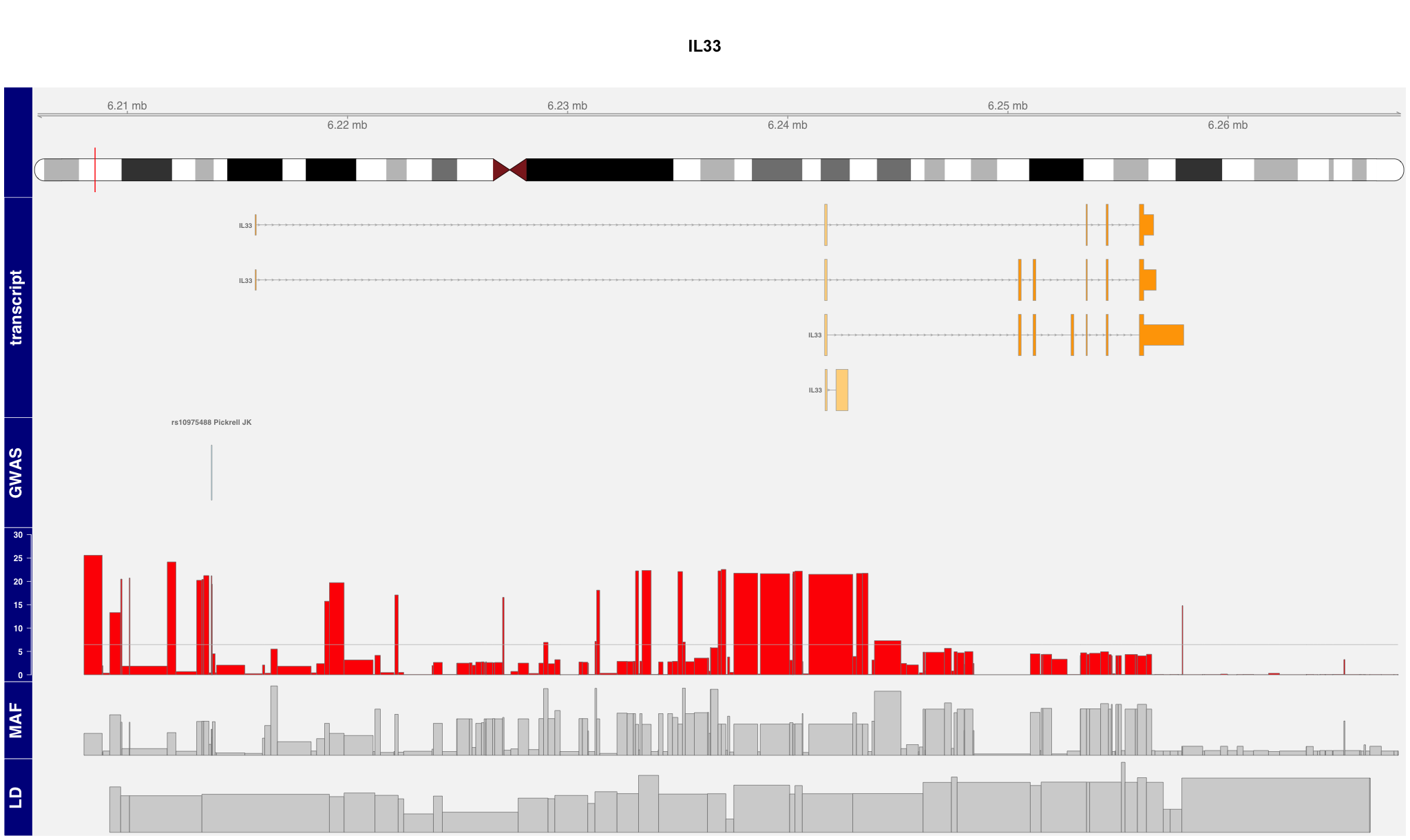
Loss of IL33 -/- protects against allergy

A new paper in Nat Comm shows the power of natural human gene knockouts. Maybe the finding is not really novel but it finally proves the candidate genes – the most important asthma/allergy paper in the last 2 years!
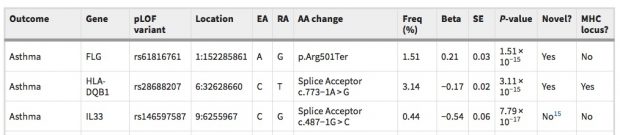
IL33, FLG, HLA-DQB1
GSDMB, BTN3A2, CCHCR1

This is even a nice addition to the most recent review of primary atopic disorders although IL33 is only depicted there in Fig 1.


CC-BY-NC Science Surf , accessed 16.07.2026

Any free DNA kits by 23andme? No, bioprospecting

The Atlantic knows

23andMe is best known for selling DNA test kits, but the company's real value lies in the data of its 5 million customers. The bigger its genetic database, the more insights 23andMe can glean from DNA. That, in turn, means the more it can tell customers about their ancestry and health and the more valuable the data it shares with academic scientists and sells to pharmaceutical companies for research. About 80 percent of 23andMe customers choose to participate in such research.

Bioprospecting are

companies pressured by legal uncertainties and unrealistic expectations of benefit-sharing are exploring alternative technologies rather than using natural products for drug R&D

which is a bit different from a welcome framework for Africa

In human genomics, there has been a push to ensure that research on samples collected in developing countries - particularly in Africa - is anchored in local science and community engagement. One example of this is the Human Heredity and Health in Africa (H3Africa) initiative, which is funded by the US National Institutes of Health and the London-based Wellcome Trust. Since 2012, it has funded genomics projects whose principal investigators are African, with several of the projects being managed locally from Kenya's capital, Nairobi.


CC-BY-NC Science Surf , accessed 16.07.2026

Is the GWAS reporting of p-values highly flawed?

Since the advent of Nature Genetics I wonder why this journal is publishing articles based on significance and not on effect size. Only recently I found an interesting blog about “the smaller the p-value, the higher the likelihood ratio under the alternative vs the null” fallacy

This statement ignores the fact that under low power conditions, 100% of the significant effects will be based on overestimates of the true effect. This is what Gelman's Type M error is all about.

Prima vista, I can’t find any error in the argument there. The GWAS power is high for alleles of 5% frequency but what about 1% or 0.1% minor allele frequency? More about type M errors by Andrew Gelman 2016, basically an error of magnitude – claiming with confidence that theta is small in magnitude when it is in fact large or by claiming with confidence that theta is large in magnitude when it is in fact small. The GWAS publication bias is ultimately leading to systematic Type M errors.


CC-BY-NC Science Surf , accessed 16.07.2026

6th base

I could attend a very interesting talk yesterday of Thomas Carell. He reported quite a lot of interesting findings in particular as I did not watch that field. Cytosines were long known to exist in two functional states: unmethylated or methylated at the 5-position of the pyrimidine ring. In 2009 two landmark papers were published showing that these 5mC in CpG dinucleotides are converted to 5-hydroxymethyl-cytosine (hmC) by the action of oxygenases of the TET family. It turned out to be a complex story how – using artificial nucleotide incoporation and co-localization of citrate cycle enzymes – the NADH+ dependent process of demethylation was discovered until the most recent publication of the Carell group. With all the probabilty based research back in my mind, it was such a relief to see a logical pathway to discovery.


CC-BY-NC Science Surf , accessed 16.07.2026

Nagoya

Die Allianz der Wissenschaftsorganisationen warnt eindringlich vor weitreichenden Konsequenzen für die Umwelt- und Lebenswissenschaften sowie die Biodiversitätsforschung, sollte zukünftig auch die Nutzung von digitalen Sequenzinformationen (DSI) genetischer Ressourcen den Regelungen des Nagoya-Protokolls (NP) und der Konvention über die biologische Vielfalt (CBD) unterliegen.

https://www.fraunhofer.de/de/presse/presseinformationen


CC-BY-NC Science Surf , accessed 16.07.2026

Gesund und krank: Diskriminierung bei Bipolar I Störung

Die Bipolar-I-Störung ist eine chronisch verlaufende psychiatrische Erkrankung, früher auch als manisch-depressive Psychose bezeichnet und gehört zu den affektiven Störungen. Kennzeichen der Erkrankung sind wiederholte manische und depressive Episoden, seltener einer Mischung aus beiden, sowie lange Phasen von unauffälligem, situativ angepasstem Verhalten (LUNDBECK.COM). “Menschen mit Bipolar-I-Störung können ungewöhnlich intensive Stimmungen haben, die jeweils über einen bestimmten Zeitraum anhalten, der als ‘Episode’ bezeichnet wird.” Continue reading Gesund und krank: Diskriminierung bei Bipolar I Störung


CC-BY-NC Science Surf , accessed 16.07.2026

Vitamin D buffering

Response to oral vitamin D seems to be different in humans . How do we buffer (artificial) vitamin D intake?

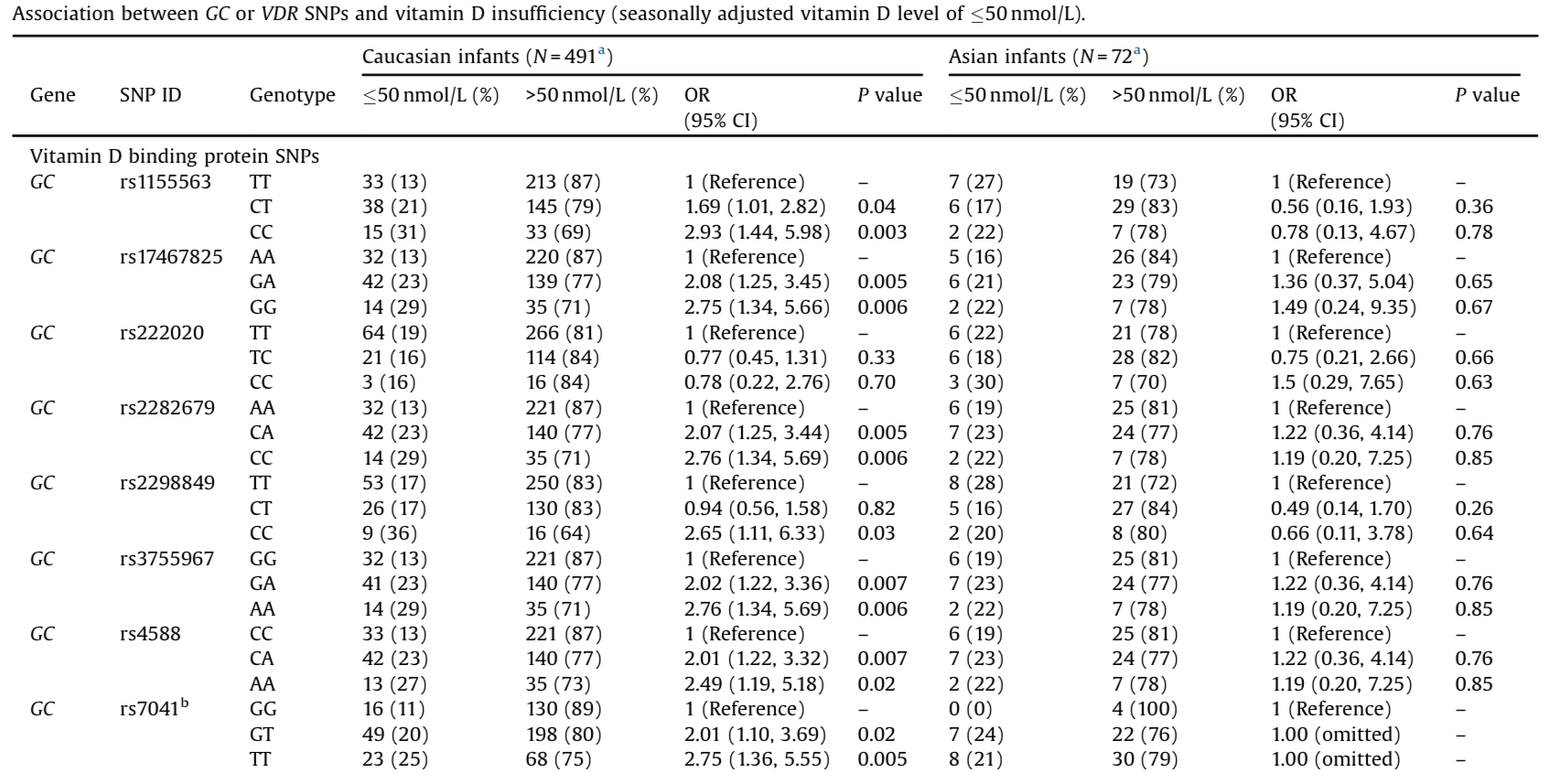
Vitamin binding protein or group specific component GC is a good candidate. GC regulates the bioavailability of 25(OH)D3, acting as the main transporterint he blood stream from liver to kidney. As described earlier GC binds with high affinity to 25(OH)D3, leaving less than 1% of circulating 25(OH)D3 free. In contrast to 25(OH)D3, which has a half-life of several weeks, GC has a short half-life of 3 days only, suggesting that the protein and its ligand are independently regulated. Also the free binding capacity of GC is variable. In addition there are GC variants that have different binding characteristics. Depending on these isoforms, serum levels increased between 97% and 307% after receiving 600 or 4000 IU/d vitamin D3 for one year. Taken together GC is assumed to be a buffer of vitamin D effects (and side effects) whenever transport in the blood stream is being involved.

The most recent GWAS study now shows again skyrocking p-values of GC variants and serum 25(OH)D3.

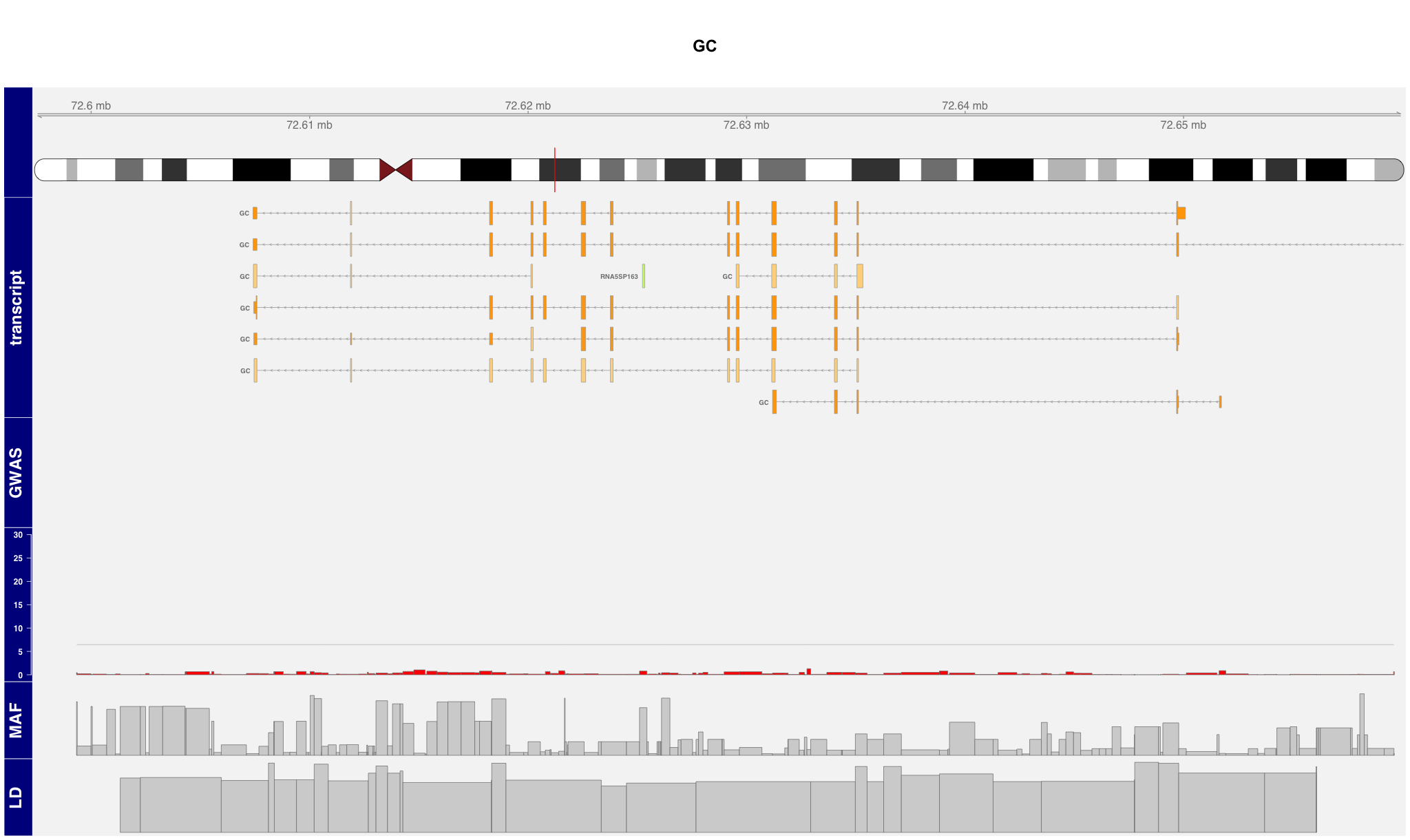
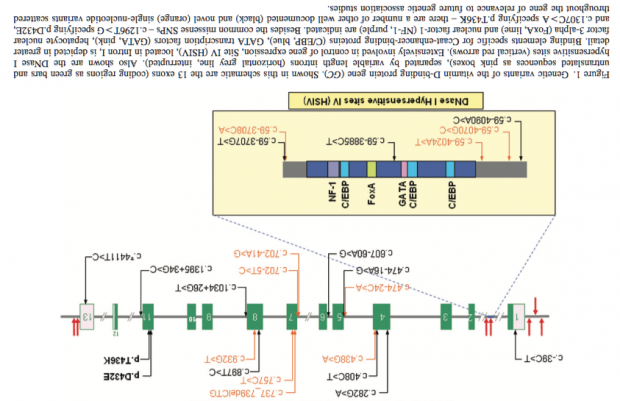
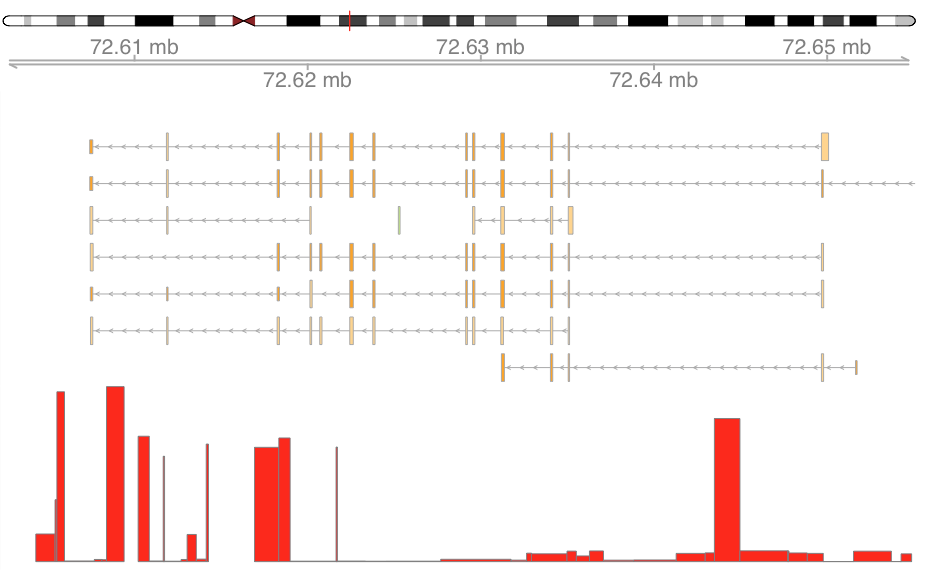
It is long known, that two missense variants of GC locate in exon 11. rs7041 encodes Asp432Glu pr D432E and rs4588 encodes Thr436Lys or T436K. These amino acid exchanges are leading to electrophoretically distinguishable proteins Gc1F/Gc1S and Gc2 respectively. We are moving the following gene plot bottom up to match the orientation.

Unfortunately LD is extremely high at GC. The GWAS peaks are therefore in the first intron, at exon 11 and intron 12. Lets’ s get closer to exon 11 where the two most important SNPs reside.

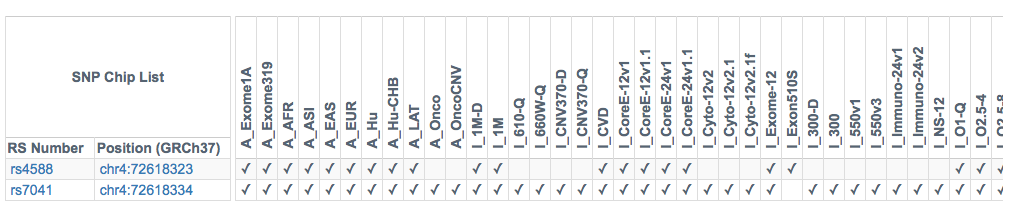
Although both variants are listed at many SNP chips I can find only results for rs7041 with p=10^-222 in the new dataset.

rs7041 is listed as a A->C SNP there but according to Fu 2009 it is definitely a G->T variant. Also SNPedia has numerous articles for rs7041 being a G->T exchange, for example Suaini 2014

This is also confirmed by dbsnp. The GAT -> GAG exchange is equivalent to D -> E, so the online results report a wrong strand orientation. Unfortunately we are stuck here, as one of the main effect SNP seems to have an unclear allele assignment and the second most important SNP is missing from the meta-analysis.

What would be nice is a conditional analysis based on rs7041/rs4588 haplotypes. I predict there are further unknown functional variants in GC. Maybe in intron 1 that often contains regulatory elements at the 5'-site of the intron. As the strongest signal is in the last intron and even beyond the 3′- end, further studies of 3′-UTR would be interesting, looking for binding sites of regulatory proteins, some miRNA or AU rich elements that affect the stability or decay rate of the transcript.


CC-BY-NC Science Surf , accessed 16.07.2026

Genetics of vitamin D

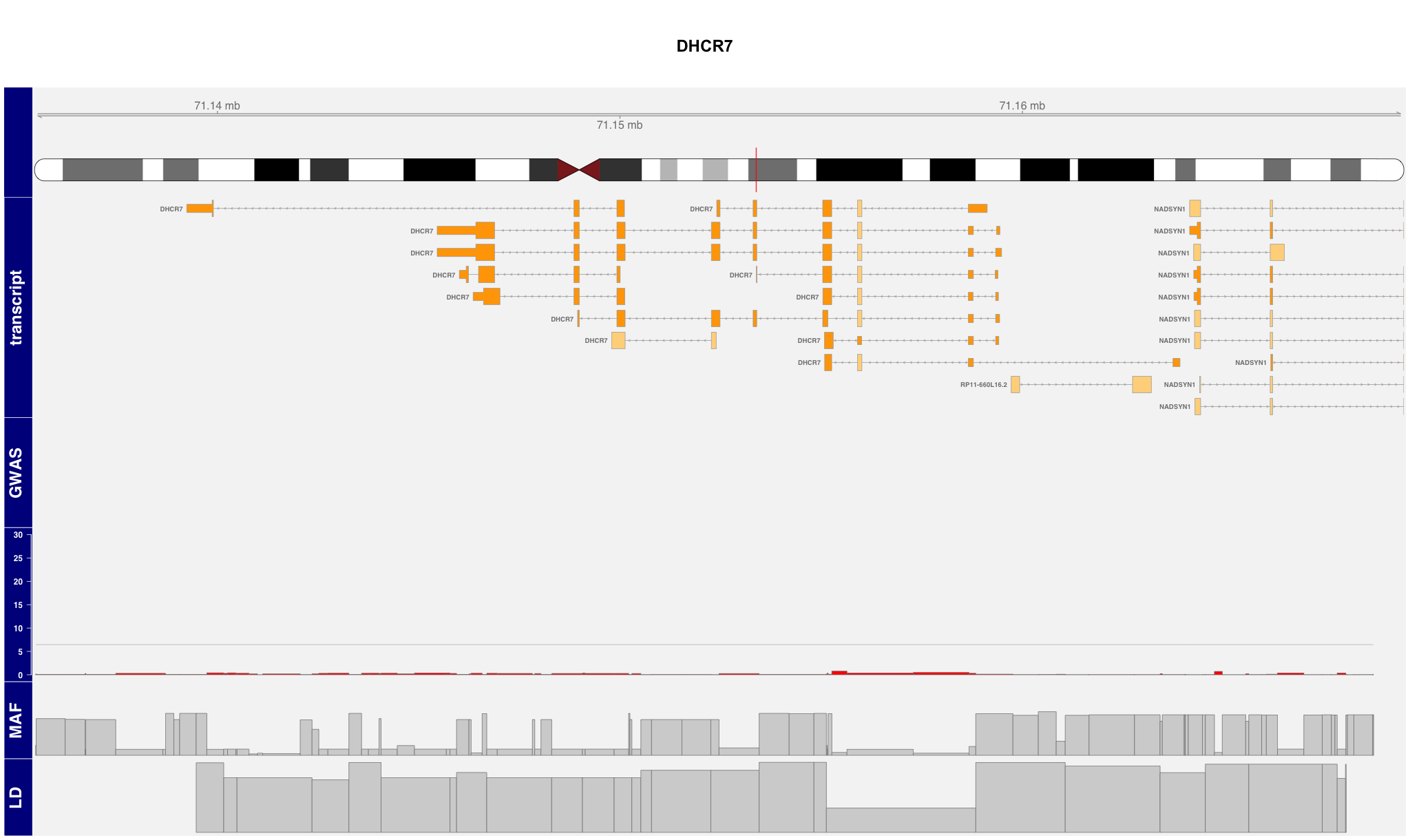
A new GWAS of vitamin D serum level reports two new loci as sample size could be increased from 16K to 79K. While the previous GWAS hits had a reasonable biological function (GC transport protein, DHCR7 converting to cholesterol, CYP2R1 to calcidiol and CYP24A1 degradation) the new loci look more like statistical artifacts.
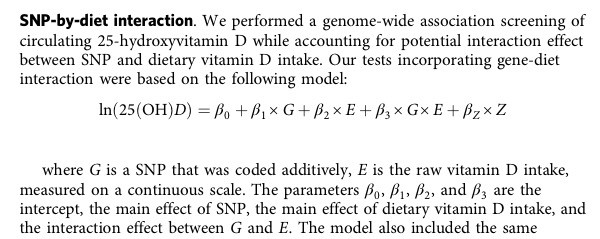
The authors tried some kind of dose effect estimates

where SNP effects on serum level became slightly weaker (which makes sense as diet is a clear environmental factor). Continue reading Genetics of vitamin D


CC-BY-NC Science Surf , accessed 16.07.2026