an application specialist … gave a day of training on qPCR applications in general and these instruments specifically. The scientist got to a point in her presentation where she was describing frequent errors and pitfalls in qPCR methods for quantitating gene expression, and she gave about 10 different examples that started out “I visited this one lab, and upon discussing their workflow with them it turned out they were making huge error such-and-such.” At this point, I raised my hand and asked for her honest estimation of how much confidence she places in qPCR or RT-PCR data that appear in standard journals. She paused for a few seconds and then tentatively admitted “maybe 25%.”
There is an increasing awareness of faked scientific papers, not just in predatory journals but also renowned publishing companies like Wiley, Karger, Elsevier. Even German Spiegel reported now on that based on an excellent article by@schneiderleonid that is itself based on work of Indigofera Tanganyikensis, @MicrobiomDigest, @SmutClyde, and many others.
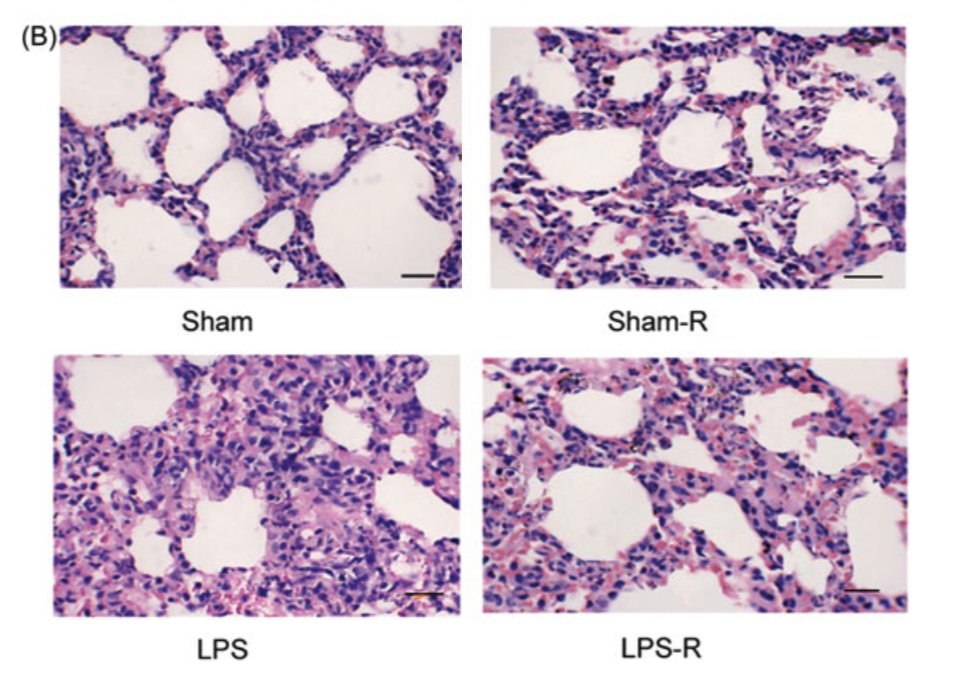
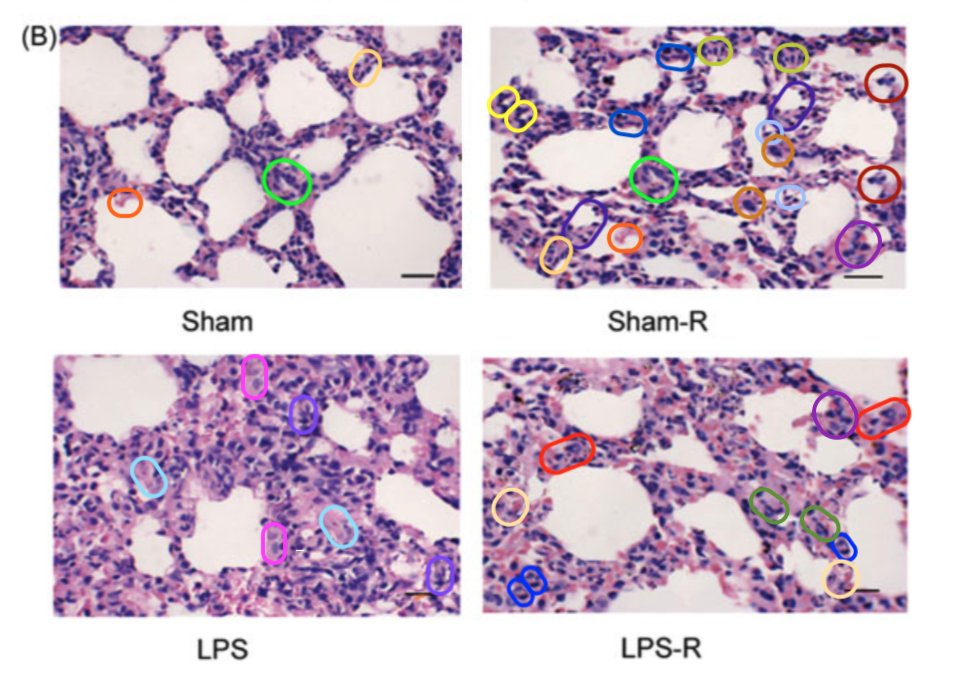
In China, clinicians are expected to publish a certain number of research papers in international journals if they want to be promoted. The easiest way is to pay a paper mill, which seem to provide a full service: an English-speaking research paper containing Photoshop-generated fake research data, in a respectable peer-reviewed journal, with your name on it.
identified by https://twitter.com/MicrobiomDigest/status/1219525169288368133identified by https://twitter.com/MicrobiomDigest/status/1219525169288368133
The big problem is the move now from isolated ghostwriters to big paper mills:
We have also witnessed the submission of identical template-style manuscripts to multiple journals at the same time, presumably to increase the likelihood that the manuscript will be accepted. This practice could greatly amplify the burden of paper mill manuscripts on journals and peer reviewers. A high-throughput approach to manuscript generation in the absence of experimentation could also result in paper mill manuscripts and publications presenting with features that are rarely found in genuine manuscripts.
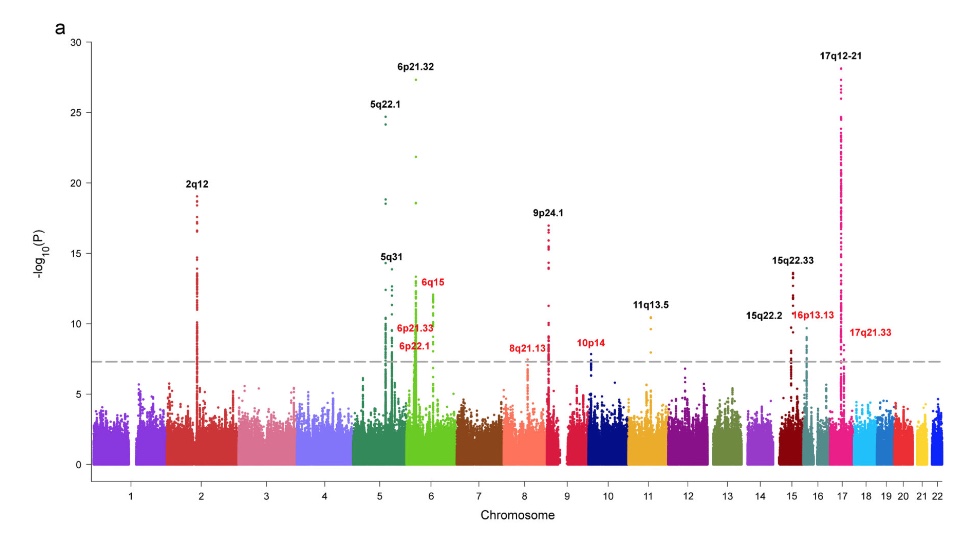
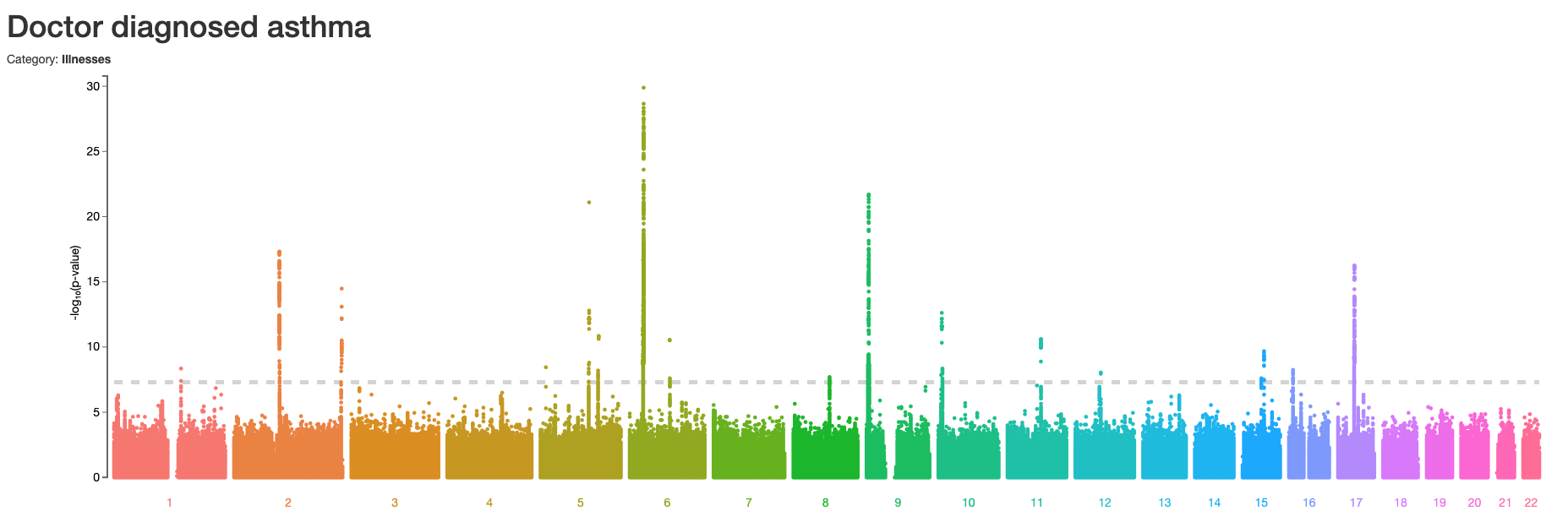
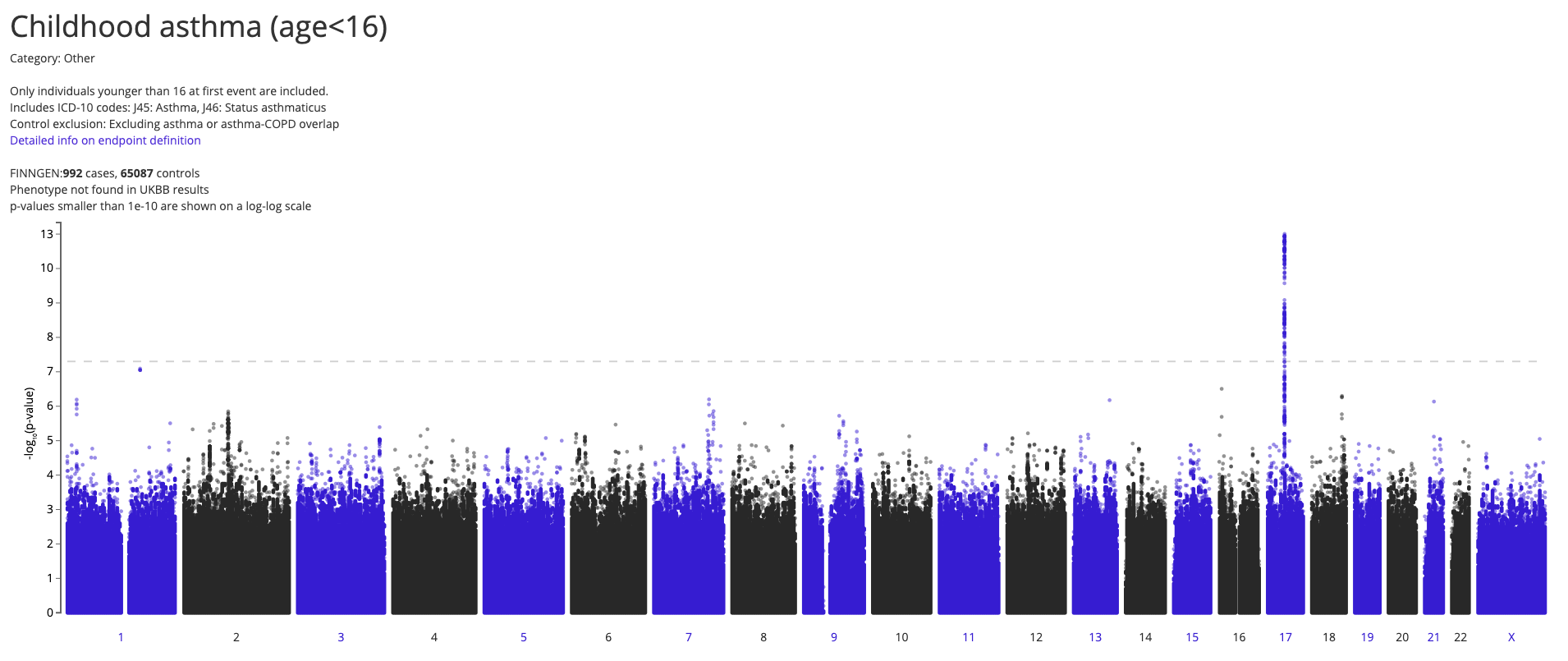
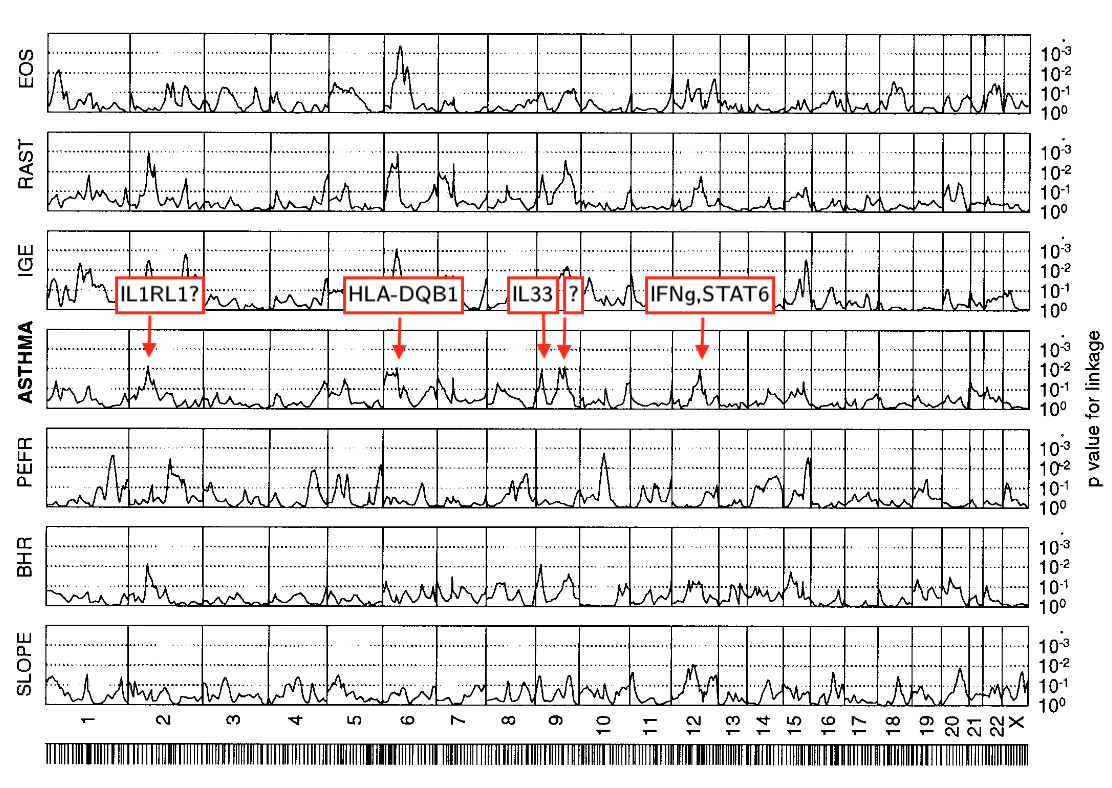
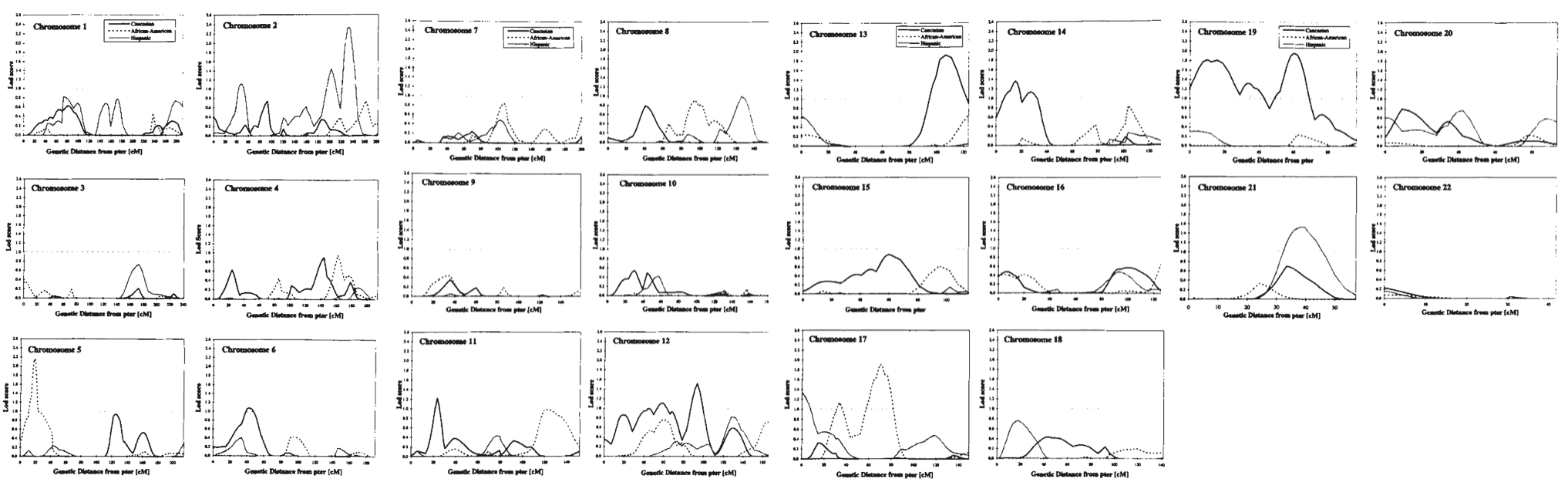
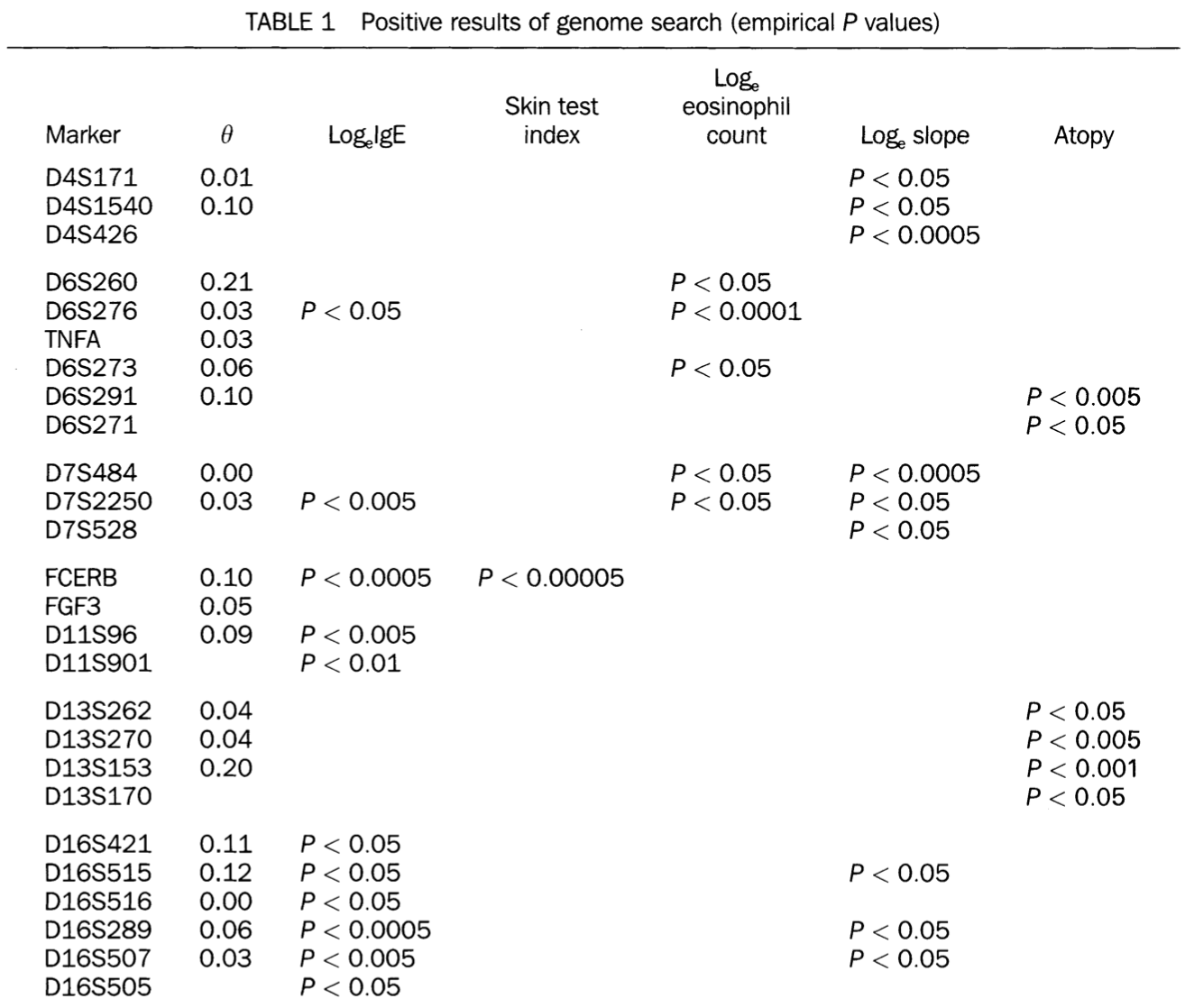
So, more than 2 decades ago we found hits on chromosome 2, 6, 9, 12 (missing chr17q21 where our marker coverage wasn’t probably good enough). It seems that this was the first identification of the IL33 region although IL33 was described only 7 years later. Remarkably, this result was possible with just 415 individuals instead of 500,000 individuals nowadays (see also the asthma genetics timeline).
Einen mehrseitigen Kommentar, den ich im letzten Sommer an Environmental Epidemiology geschickt habe, wurde von Bert Brunekreef mit einer Email abgelehnt “das Thema sei nur von lokalem Interesse in Deutschland”. Wie ich aber erst jetzt erfahren habe, sollte das nur die Kritik mundtot machen, denn gleichzeitig wurde mit derselben Story international Politik gemacht, als im Lancet alle deutschen Kritiker pauschal diffamiert werden und ihre Stellungnahme als “fake news and denial” bezeichnet werden (Lancet vom 7.8.2019). Wer die dubiosen NO2 Studien nicht nachvollziehen kann, wird in die Nähe von Zigarettenindustrie und Klimaleugnern gesetzt.
the debate had all of the features that Farrell and colleagues discuss in relation to the misinformation campaigns on climate change or the well known strategies used decades ago by the tobacco industry.
Auch in dem Lancet Artikel wird die NO2 Mortalität noch einmal wiederholt
The scientific evidence that links ambient air pollution-in particular, fine particles (PM2.5 …) and nitrogen dioxide (NO2)-to disease and mortality was questioned by a small group of lung physicians and engineers.
Eine “kleine” Gruppe wären ein Dutzend und nicht 140 Pulmologen gewesen, dazu kommen diverse Epidemiologen und Toxikologen, die den verstiegenen Aussagen nicht gefolgt sind. Letztendlich hat auch die Leopoldina widersprochen [1, 2, 3];
Die drei aus der Arbeitsgruppe Luftschadstoffe entsandten Professoren, Martin Lohse, Wissenschaftlicher Vorstand des Max-Delbrück-Centrums für Molekulare Medizin, Manfred Hennecke, ehemaliger Präsident der Bundesanstalt für Materialforschung und -prüfung, und Jos Lelieveld, Direktor am Max-Planck-Institut für Chemie, zumindest sagten recht wenig und eher Versöhnliches zur Person Köhler. Sein Vorstoß sei in mancherlei Hinsicht sicher sogar “sinnvoll” gewesen, weil er zu einer Debatte geführt habe, hieß es. Bei Teilen seiner Kritik aber habe Köhler sich “vergaloppiert”.
Das ist eine echte Nummer, da mit dem Lancet Letter auch die Leopoldina angegriffen wird als “misinformation campaign”.
Eric Topol highlighted a WSJ feature on BMI (or body mass index). The article basically says
The idea behind BMI was proposed in 1832 by the statistician Adolphe Quetelet, who wasn't trying to define a healthy weight but to model a bell curve or normal distribution of human body sizes. He studied heights and weights and observed that weight tended to increase not according to the cube of height but with its square. The Quetelet index was renamed the body-mass index in 1972 by physiologist Ancel Keys, but it still wasn't meant to measure the health of individuals, only to show trends among populations.
BMI calculation is wrong as an area increases according to length squared, but volumes according to length cubed.
Maybe it would be a nice bachelor etc thesis just ask 500 passengers during one busy morning at Munich airport and correlate their BMI with the body mass measured by a millimeter wave full body scanner?
Or using a laser scanner as a colleague recommended recently to me?
1 x ejaculation expells 250,000,000 sperm at a speed of 500 cm/s. Each sperm contains 3,088,000,000 base pairs = bits~ 368 megabyte of genomic DNA
Each base pair takes 2 bits (you can use 00, 01, 10, and 11 for T, G, C and A). … And remember, you have to go from bits to bytes to get to an answer in megabytes. A bit is just a single unit of digital information, but a byte is a sequence of bits (usually 8). And because computers work in binary math, 1 kilobyte = 1024 (i.e. 2 x 2 x 2 x 2 x 2 x 2 x 2 x 2 x 2 x 2 = 1024). 1 gigabyte = 1024 megabytes = 1048576 kilobytes = 1073741824 bytes. So you take the 3,088,000,000 bits and divide it by 8 to get 750,000,000 bytes. Divide that by 1024 and you get 376,953 kilobytes. Divide it by 1024 once more and you're left with 368 megabytes.
Add 30,000 CpG islands x 8 bytes ~ 0,2 Megabyte
Also add 75 mitochondria x 16,569,000 base pairs ~ 148 Megabyte
So in total 516,2 Megabyte per sperm
Das gemessene "Bereitschaftspotential" sei jedenfalls kein Beweis dafür, dass der Mensch seine Entscheidungen durch das Gehirn diktiert bekommt. "Diesen Determinismus gibt es nicht." Nichts spricht bisher dafür, dass diese Hirnströme das Handeln steuern, dass unser freie Wille eine Illusion ist.
Most of the criticism focused on difficulties of judging the time of awareness, of interpreting the RP or of philosophical interpretation.
Spannend ist der “point of no return” wobei ich einen etwas anderen Versuchsaufbau wählen würde. Verkehrssituation über Video mit Annäherung an eine Ampel einspielen, welche mit Gelb eine Entscheidung erzwingt, zwischen weiter fahren oder bremsen. Gelbe Leuchtzeit vom Ampelabstand/Geschwindigkeit varieren, wobei die Reaktionsart bzw Reaktionszeit weniger wichtig sind wie die jeweiligen APs sind. In der zweiten Runde dann Bewusstsein einschränken (Müdigkeit, C2H5OH, THC…)
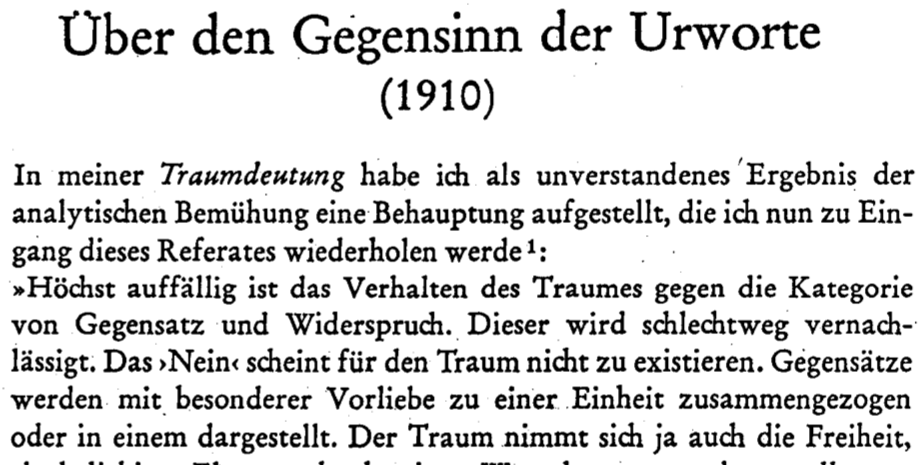
I am not sure about the validity of this claim (Freud copied the reasoning from Carl Abel) while it is a nice bon mot that there is no “no” in our imagination.
Von Verschränkung spricht man in der Quantenphysik, wenn ein zusammengesetztes physikalisches System, z. B. ein System mit mehreren Teilchen, als Ganzes betrachtet einen wohldefinierten Zustand einnimmt, ohne dass man auch jedem der Teilsysteme einen eigenen wohldefinierten Zustand zuordnen kann. Im Bereich der klassischen Physik kann es dieses Phänomen nicht geben. Dort sind zusammengesetzte System stets separabel, d. h. jedes Teilsystem hat zu jeder Zeit einen bestimmten Zustand, der sein jeweiliges Verhalten bestimmt, wobei die Gesamtheit der Zustände der einzelnen Teilsysteme und deren Zusammenwirken das Verhalten des Gesamtsystems vollständig erklärt.
oder auch Peter Clarke, der insbesondere die von Eccles favorisierte “open modules” an spezifischen Synapsen untersucht hat. Schwierig bleibt, das Konzept mit dem Energieerhaltungssatz der klassischen Physik zusammenzubringen. Noch schwieriger ist es, quantitativ die Vorgängen an den vielen Kontaktpunkten (etwa Ca, K, Na-Kanäle) mit Quantenverschränkung zu erklären, so Clarke 2004
Even if quantum phenomena could occasionally affect calcium flow through channels, it seems very unlikely that this could have a significant effect on synaptic transmission, because the numbers of calcium ions involved are sufficiently large to swamp any quantum effects. Smith has argued this in a detailed discussion of the possibility of quantum effects at synapses, stating that the number of ions involved is 10^18 - 10^19. The numbers going through a given channel at a single opening are much smaller, of the order of one thousand, but this would still be enough to swamp the effects of a 10 ms change in the channel due to quantum fluctuations.
Direkten Widerspruch habe ich bisher nicht dazu gefunden. Es beginnt da aber erst die Diskussion, siehe Jedlicka 2017
The recent rise of quantum biology as an emerging field at the border between quantum physics and the life sciences suggests that quantum events could play a non-trivial role also in neuronal cells.
und Pitts 2019, einer der rising stars aus Cambridge
The new general relativistic objection provides some support for realism about gravitational energy-momentum in General Relativity
This was the recent (friendly) response of an editor. He wrote to me, that if there are any real errors, they would be corrected by later papers.
I don’t think so. Even if somebody else will notice the errors, it will not be published. Even if published it will not be noticed. @aceilalkhatib pointed me to Sci Eng Ethics (2017) 23:1213-1226
“Fortifying the Corrective Nature of Post-publication Peer Review: Identifying Weaknesses, Use of Journal Clubs, and Rewarding Conscientious Behavior”, a great paper that clearly says
Science is currently not a spontaneously self-corrective process because moral values will always fluctuate or because there will always be deficits in credibility, in part as a result of the wide social background or economic status of scientists around the world. Rather, the correction of science, and its literature, is a pro-active process that requires the involvement of conscientious individuals who would like to replicate studies and who intend to engage with each other to see such errors eliminated.


#/media/Datei:Gefahr_Reaktion.JPG)