The incomplete identification of structural variants (SVs) from whole-genome sequencing data limits studies of human genetic diversity and disease association. Here, we apply a suite of long-read, short-read, strand-specific sequencing technologies, optical mapping, and variant discovery algorithms to comprehensively analyze three trios to define the full spectrum of human genetic variation in a haplotype-resolved manner. We identify 818,054 indel variants (<50 bp) and 27,622 SVs (≥50 bp) per genome. We also discover 156 inversions per genome and 58 of the inversions intersect with the critical regions of recurrent microdeletion and microduplication syndromes. Taken together, our SV callsets represent a three to sevenfold increase in SV detection compared to most standard high-throughput sequencing studies, including those from the 1000 Genomes Project.
A new study examines the question how design choices shape research results: Justin F. Landy et al. Crowdsourcing hypothesis tests: Making transparent how design choices shape research results. Psychological Bulletin (in press)
The institutional background of most research is a research group that shares a hypothesis. The group hypothesis usually determines the methods. Methods and study design determine results. Due to this relationship there is a high risk even in replication studies that they just replicate systematic errors. It is therefore not unexpected that many scientific hypotheses only die with their proponents. To what extent are research results influenced by subjective decisions?
Fifteen research teams independently designed studies to answer five original research questions related to moral judgments, negotiations, and implicit cognition. Participants from two separate large samples (total N > 15,000) were then randomly assigned to complete one version of each study. Effect sizes varied dramatically across different sets of materials designed to test the same hypothesis: materials from different teams rendered statistically significant effects in opposite directions for four out of five hypotheses, with the narrowest range in estimates being d = -0.37 to +0.26. Meta-analysis and a Bayesian perspective on the results revealed overall support for two hypotheses, and a lack of support for three hypotheses. Overall, practically none of the variability in effect sizes was attributable to the skill of the research team in designing materials, while considerable variability was attributable to the hypothesis being tested.
So it is all about the hypothesis … something that we already know from the early Genome Analysis Workshops where the same dataset had been distributed to different groups.
Maybe this paper has a serious background but this what the Ig committee really wants – making people laugh, and then think “Methane Emissions from the Munich Oktoberfest” in Atmospheric Chemistry and Physics.
This study presents the first investigation of the methane (CH4) emissions of a big festival. In 2018 we measured the CH4 emissions of Munich Oktoberfest, the world's largest folk festival, using in-situ measurements combined with a Gaussian plume dispersion model. Oktoberfest is a potential source for CH4 as a high amount of natural gas for cooking and heating is used.
I believe this is a better proposal for the Ig Nobel Prize than my own Lancet letter about the Octoberfest.
Eugenics […] is particularly associated with the mass-sterilization campaigns that began after Indiana's 1907 act, and with the Nazi racial-hygiene programme that reached its nadir in the Holocaust. Another legacy of the eugenics movement is the management of populations using techniques such as demography, racial classification and statistical modelling. These, combined with family planning, became synonymous with modernity and progress. From Latin America and Scandinavia to India, China and the Soviet Union, eugenics took root in projects to 'improve the population' throughout the twentieth century. […] The stereotype of bureaucratic, box-ticking ethical compliance is no longer fit for purpose in a world of CRISPR twins […]
There is a good summary of the story at The Verge while medical journals seem to be slow with updates ( there will be a Twitter session today at 4 p.m. ET using the hashtag #ATSChat )
In the United States, regulatory and public health agencies are looking into these three different public health-related problems: exploding e-cigarettes, seizures and lung injuries.
Lung injury is the biggest problem
During a press call on October 25th, Schuchat [principal deputy director of the CDC] said that they were now calling the injury EVALI, an acronym for "e-cigarette, or vaping, product use associated lung injury." It's still not particularly catchy, but slightly better than the longer version.
As of October 22, 2019 1,604 cases have been reported according to the CDC. I wonder whether 1,2-propandiole and glycerole are responsible for the effect? Heating may lead to formaldehyde and acrolein (an unsaturated aldehyde). But why is the combination with THC so deleterious? Further chemical reactions?
Kennt noch jemand Kürschners Deutscher Gelehrten-Kalender? In der Vor-Internet-Zeit war das die einzige Möglichkeit, über einen Wissenschaftler irgendetwas herauszubekommen, von seinen Büchern, Artikeln oder Vorlesungen mal abgesehen.
Der Kalender erscheint immer noch bei de Gruyter, das Who is Who der deutschen Wissenschaft mit seinem kryptischen Abkürzungen, der seine Einträge von den Universitäten bezieht. 4807 Seiten. Gr. 8° (20 x 13 cm). Orig.-Pappbände. [Hardcover / fest gebunden] in 3 Bänden A-H, I-R, S-Z.
Als die Wissenschaft jedenfalls noch überschaubar war. Mit Diplom, Promotion und Habilitation. An Universitäten, die wie meine Alma mater Marburg (1527), Göttingen (1737), München (1472) noch universale Universitäten waren, keine FHs oder PHs.
Und Wikipedia weiss, dass der Kalender 77.000 in der Regel habilitierte Wissenschaftlern an deutschsprachigen wissenschaftlichen Institutionen umfasst und dass er zum ersten Mal 1925 erschien.
Mit Wikipedia ist das heute natürlich etwas aus der Zeit gefallen, wo jeder drittklassige Amateurlig Fussballer dort seinen eigenen Eintrag pflegt. Die Wikipedia hört sich zwar auch bei den biographischen Einträgen objektiv an, trotzdem ist diese Anhäufung von Eigen-PR und Preisen ( siehe Matthäus-Effekt ) eher abstossend. (Haftungsausschluss/Interessenskonflikt: bei Kürschners Kalender habe ich einen Eintrag, nicht aber bei Wikipedia). Denn ich lobe mir dann doch den alten deutscher Gelehrten-Kalender, den man nicht so einfach selbst umschreiben konnte.
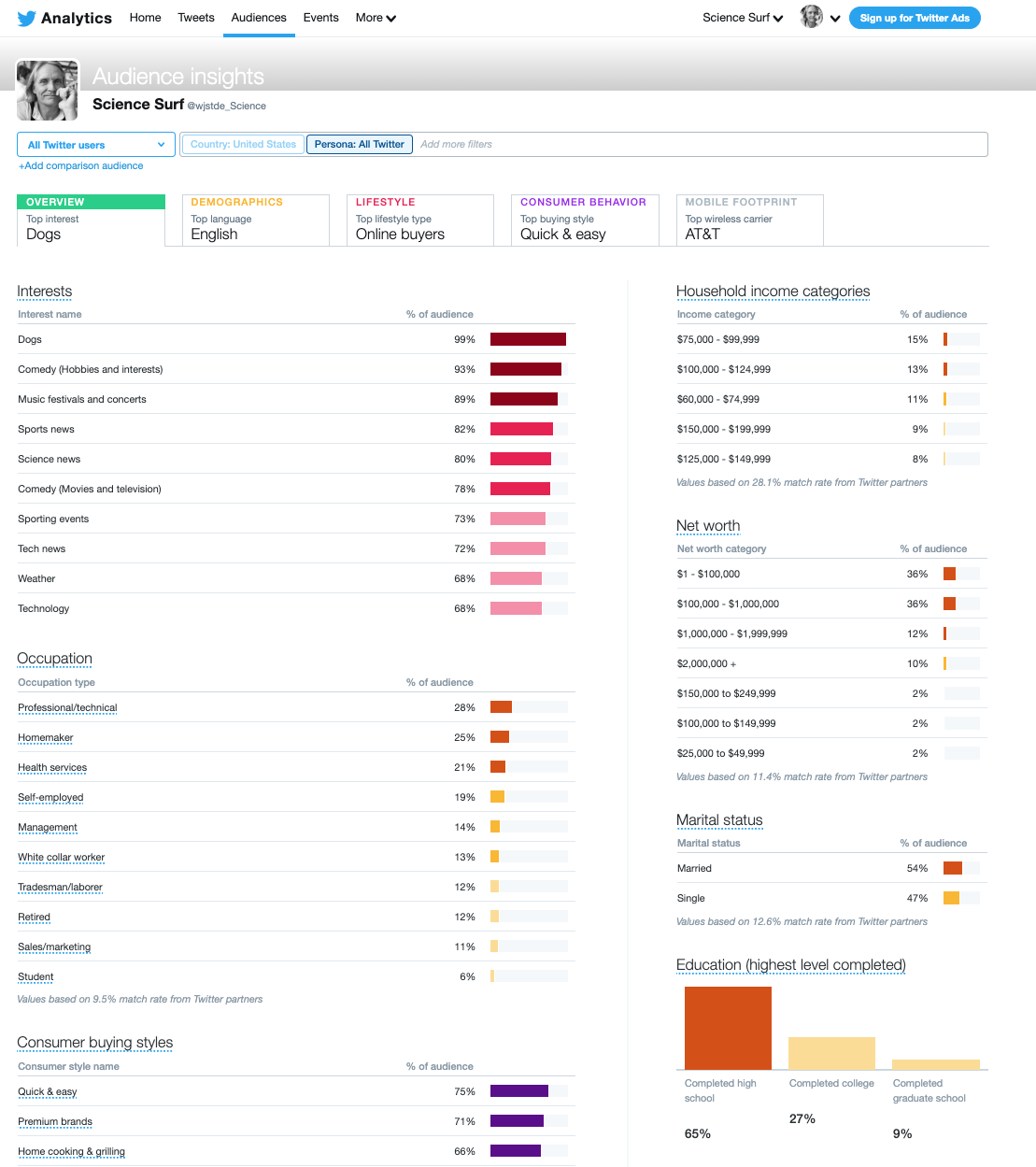
Only 3 days ago I opened a new twitter channel. to accompany this blog. Only a few tweets later without any follower, Twitter has some first analytics: the audience here is married, rich people with completed high school who have an interested in dogs, comedy, sports and sciences. Whatever that means.
Trotz fundierter weltweiter Forschung zu Klimawandel, ökologischer Degra- dation, Armut und Migration gelingt der Weltgesellschaft bisher kein Um- steuern. Auch die weitreichenden Beschlüsse zu einem globalen Gesellschafts- vertrag für nachhaltige Entwicklung, die die Vereinten Nationen im Septem- ber 2015 als normative Leitlinie der Weltinnenpolitik bis 2030 beschlossen haben (Sustainable Development Goals), ändern daran wenig. Wider besseres Wissen verharren wir auf den bisherigen Pfaden von Ressourcenübernut- zung, exzessivem Konsum und globaler Ungerechtigkeit. Wir leben in der "Externalisierungsgesellschaft" (Lessenich) auf Kosten der Zukunft, der Natur sowie zahlloser Menschen im Globalen Süden. In dieser Situation stellt sich die Frage, aus welchen Quellen die Kraft zu gesellschaftlicher Transformation kommen kann. Auch die Kirchen stehen hier in neuer Weise im Fokus öffentlicher Aufmerksamkeit
…
Die Kirchen sind dabei selbst oft mehr Lernende und Vermittelnde als Wissende. Deshalb sind ökumenische und interreligiöse sowie natur- und sozialwissenschaftliche Dialoge auf der Suche nach den "Minima Moralia" einer ganzheitlichen Ökologie unverzichtbar.
Tolle, lege! Die Kirchen wollen nicht selbst Politik machen, sie wollen Politik möglich machen.
Ein alter FAZ Artikel Forschung über Wahrheiten hatte genau diese Feynman Zitat. Und machen wir uns nichts vor: Eigenartiger vergessen Wissenschaftler ganz schnell ihr Methodenarsenal wenn es um sie selbst geht…
Die Rolle der Philosophen kann dabei nur so weit normativ sein, als dass sie zu kritischer erkenntnistheoretischer Reflexion beitragen. "Die normative Rolle kann nicht sein, den Wissenschaftlern zu sagen: so solltet ihr arbeiten, denn das wäre anmaßend. Vielmehr ist interessant, die Forscher dazu zu bringen, darüber zu reflektieren, was sie tun." Philosophen können dabei helfen, Betriebsblindheiten der wissenschaftlichen Praxis aufzudecken, genau wie andersherum Wissenschaftler naive Sichtweisen der Philosophen entkräften können.
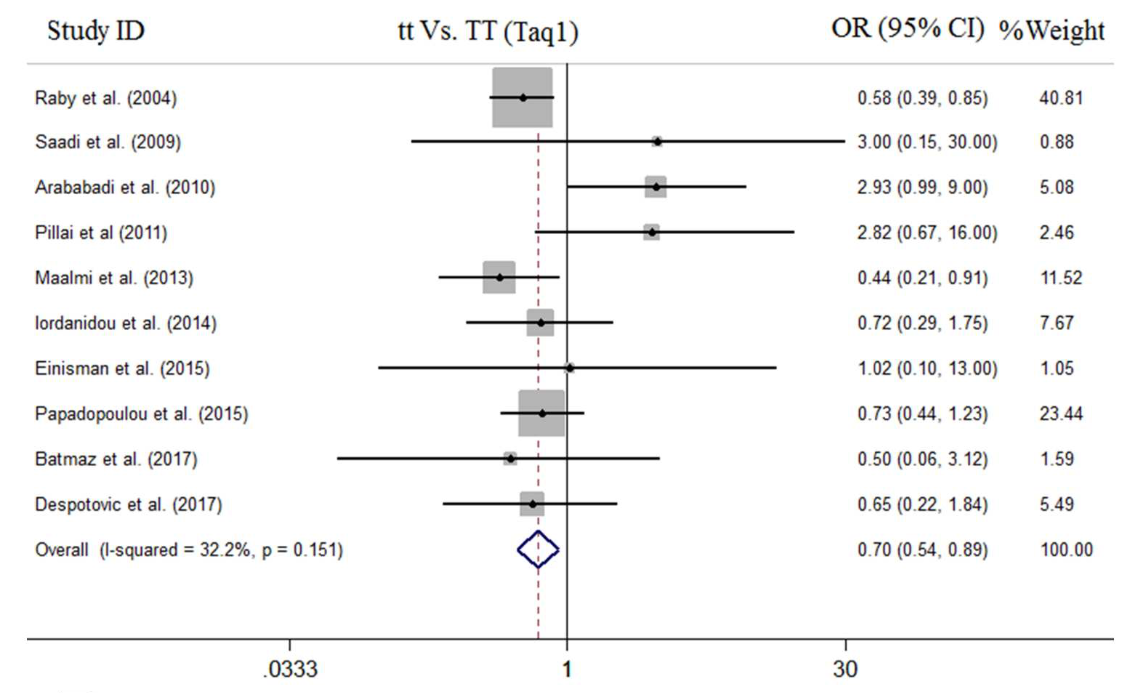
Pooled odds ratio (OR) and 95% confidence interval of individual studies and pooled data for the association between TaqI polymorphism and asthma risk in overall populations and B for tt vs. TTof the TaqI variant.
We are in line #1…
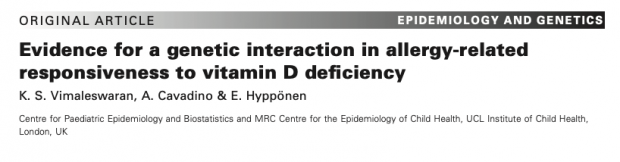
Another nice paper on a genetic interaction is Vimaleswaran et al.
Schon immer gab es Belohnungs- und Bonussysteme in der Wissenschaft – materielle Anreize (Gehalt, Bonuszahlungen) aber auch immaterielle Zuwendungen (Aufmerksamkeit, Ehrungen). Dabei ist es ja eines der grössten Privilegien überhaupt, mit eigener Vorstellung, Wissenschaft zu betreiben. Warum dann diese Anreize? Und warum einzelne Wissenschaftler besonders herausheben wo vieles nur noch im Team geht? So zu tun, als sei ihre Arbeit mehr wert als die anderer? Selbst wenn sie überhaupt nicht (mehr) mehr leisten, allenfalls ihr Institut? Sowohl was Intelligenz als auch was Motivation angeht, spielt sich hier sowieso alles im oberen Drittel der Gaußverteilung ab, von einigen extremen Outliern abgesehen, die einfach Naturtalente sind.
Der Effekt geht zurück auf das Gleichnis der anvertrauten Talente Silbergeld in Mt 25, 29. Drei Angestellte erhalten 5, 2 oder 1 Talent Silber (also bis zu 500.000€) und vermehren beziehungsweise bewahren das Silber auf, mit der Pointe Continue reading Bonus Systeme in der Wissenschaft→